
Have you ever stepped out of your house in the morning and been hit with a blanket of dust that makes you wonder if it’s really morning at all?
For many Delhiites, this is a daily reality, especially during the dry months when a dust storm can turn the sky a hazy grey.
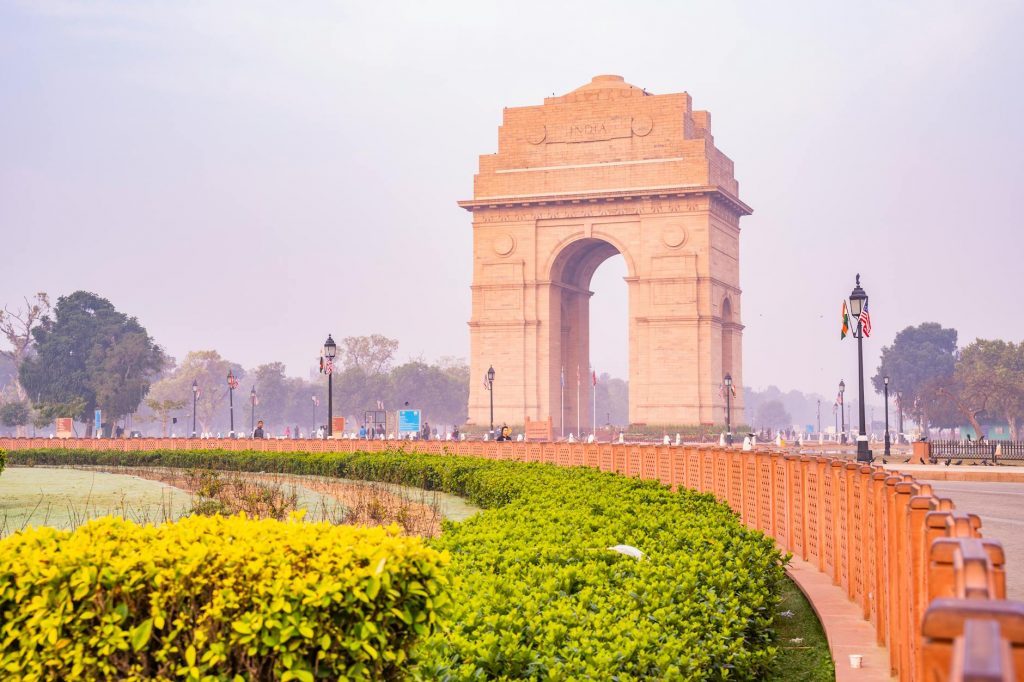
But even for those who expect it, the sight of India Gate shrouded in a thick layer of dust is still a shocking one.
People Jog in Front of Nearly Invisible India Gate
A viral video has been doing the rounds on social media, showing people jogging in front of India Gate, but it’s hard to tell if they’re running towards the monument or just into the distance.
The video has left many people wondering how the dust storm has affected the city, and whether it’s safe to venture out.
But for those who live in Delhi, the dust storm is a regular occurrence, and they’ve learned to adapt.
They wear masks to protect themselves from the dust, and try to stay indoors during the worst of the storm.
But even with precautions, the dust storm can still cause problems, from respiratory issues to power outages.
So what’s behind the Delhi dust storm, and what can be done to mitigate its effects?
Expert Weighs In
According to experts, the dust storm in Delhi is caused by a combination of factors, including the dry desert winds that blow in from the west, and the lack of rainfall in the region.
‘The dry desert winds pick up a lot of dust and sand from the deserts of Rajasthan and Gujarat, and bring it to Delhi,’ says Dr. Sunita Narain, a well-known environmentalist.
‘This dust and sand gets trapped in the city’s atmosphere, causing the haze and reducing visibility.’
So what can be done to reduce the impact of the dust storm?
‘The first step is to increase rainfall in the region,’ says Dr. Narain.
‘We need to make sure that the monsoon rains are able to reach Delhi, and that the city’s water management systems are in place to handle the rainwater.’
Until then, Delhiites will just have to keep on adapting to the dust storm, and hoping that it doesn’t get worse.
But with the right policies and infrastructure in place, maybe one day the dust storm will be a thing of the past.