
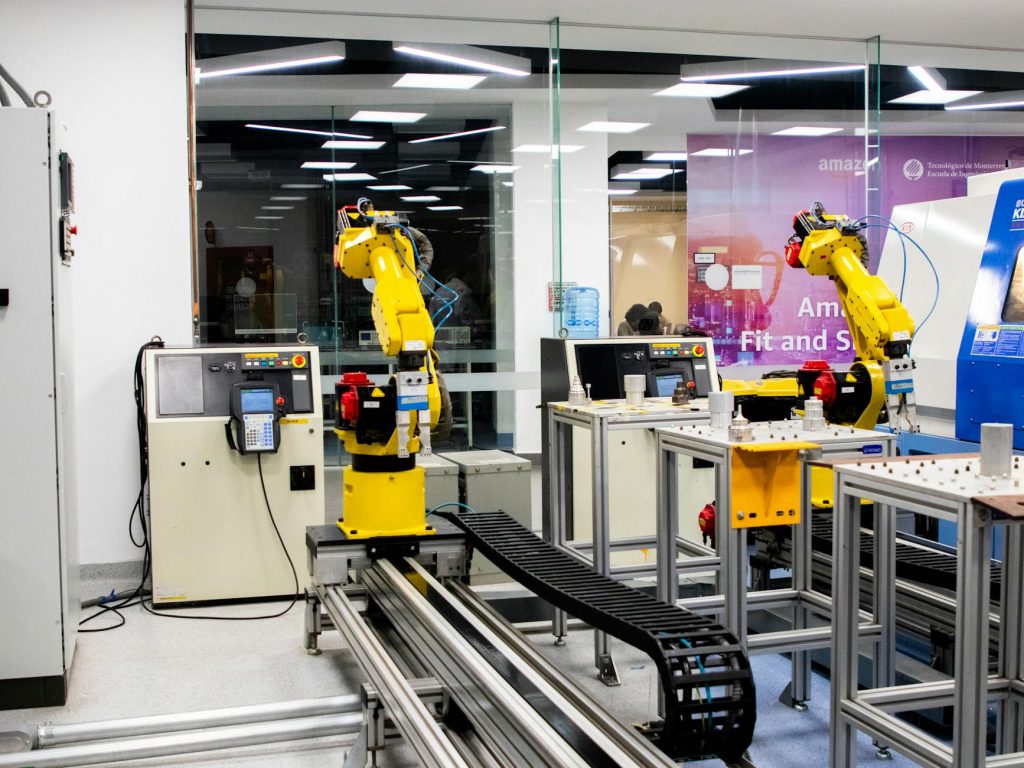
India’s robotics industry is about to shake things up. Within the next three to five years, Indian-made robots will be just as good as what global companies are producing—but at significantly lower prices. This is what industry leaders are saying, and it could change how Indian factories and businesses operate.
Right now, when Indian companies need advanced robots, they mostly buy from foreign manufacturers like those in Japan, Germany, or the United States. These imported robots work well, but they’re expensive. Many small and medium Indian businesses can’t afford them, so they stick with manual labor or older equipment.
Why Indian Robots Will Be Different
Indian robotics companies have been quietly improving their technology. They understand what Indian factories actually need—machines that work in our climate, that can handle our manufacturing styles, and that don’t break the bank.
The real advantage is cost. Indian manufacturers can produce robots more cheaply than Western companies because of lower production costs and efficient engineering. This doesn’t mean lower quality—it means smarter design and fewer unnecessary features that most Indian businesses don’t need anyway.
Government support is also making a difference. India is pushing companies to develop homegrown robotics technology instead of always depending on imports. This is helping young Indian startups and established companies invest more in research and development.
What This Means for Your Business and Job
If you work in manufacturing, textiles, pharmaceuticals, or any factory-based industry, this matters to you. Cheaper robots mean more Indian businesses can automate their operations. Some jobs might change, but new ones will also open up—people will be needed to run, maintain, and program these robots.
For business owners, affordable Indian robots could mean better productivity without huge investments. A small manufacturing unit that couldn’t previously afford automation might suddenly find it possible.
For the economy overall, this is huge. Instead of spending foreign currency on imported robots, India’s money stays home. This creates jobs in robotics manufacturing, research, and related fields. It also makes Indian products more competitive globally because production costs come down.
The next few years will be critical. Indian robotics companies need to deliver on these promises—they have to make robots that are reliable, easy to use, and genuinely cheaper than imports. If they pull it off, India won’t just be buying robots from the world anymore. We’ll be building them.
This shift from importing to manufacturing shows India’s larger goal: becoming a technology-making nation, not just a technology-using one. Keep an eye on this space—it’s going to move fast.