
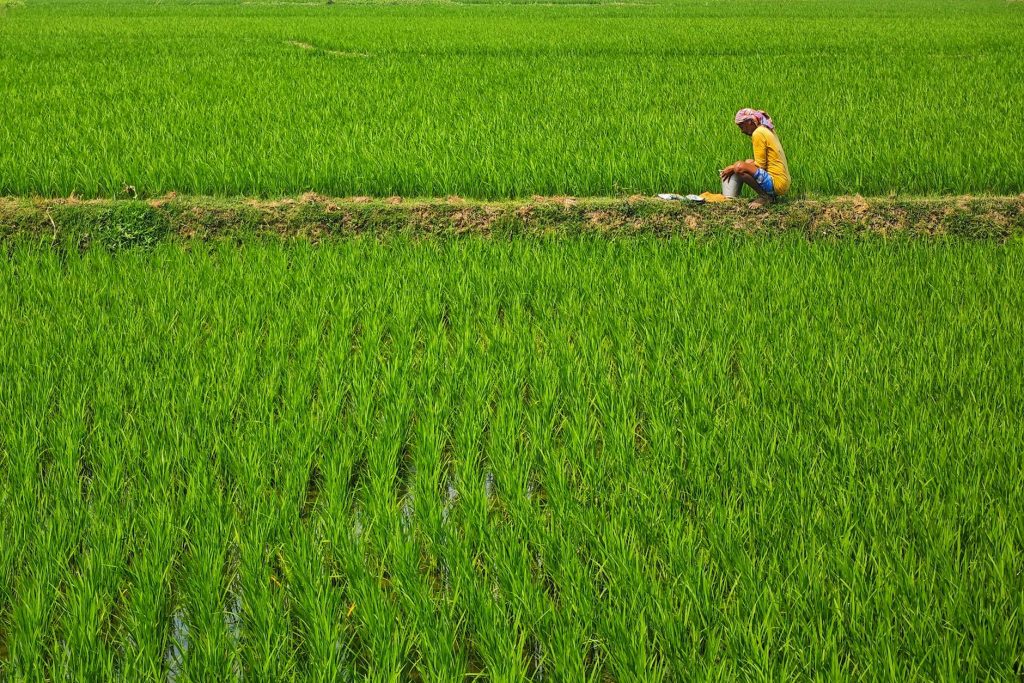
Good news for Indian farmers gearing up for the Kharif season—the government has confirmed that fertilizer stocks are in solid shape. The external affairs ministry spokesperson made this announcement, signaling that there’s no shortage concern as we head into the monsoon planting period.
For those who aren’t knee-deep in agriculture, the Kharif season is basically the monsoon crop cycle running from June to October. This is when farmers across India plant crops like rice, cotton, pulses, and oilseeds. And here’s why fertilizer availability matters so much: without adequate nutrients, crop yields tank, and that directly hits farmer income and food security.
Why This Reassurance Matters Right Now
Farmers have had a rough few years dealing with fertilizer shortages and skyrocketing prices. Global supply chain disruptions hit India hard, and farmers ended up paying way more than usual. So when the government says stocks are adequate, it’s trying to ease those worries heading into the season.
The reassurance also matters because fertilizer prices directly influence farming decisions. When farmers aren’t sure about availability, they hoard or switch to alternative methods, which can actually reduce productivity. Clear messaging about stock levels helps them plan properly.
Having enough fertilizer in the system also helps keep prices stable. When there’s scarcity, prices spike, which squeezes already-thin farmer margins. A well-stocked inventory acts like a safety net.
What Happens From Here
The real test comes in the next couple of months. Farmers need to actually get these stocks to their local dealers and cooperative societies. Storage, transportation, and distribution are where plans often hit speed bumps.
The government will need to monitor whether fertilizer reaches remote areas smoothly. Even if stocks exist at the national level, bottlenecks at the last mile can create local shortages. This is something to watch as the season progresses.
There’s also the pricing piece. The government has been trying to keep fertilizer affordable through subsidies. How long those subsidies hold out, and whether prices remain reasonable, will determine if this announcement actually translates into relief for farmers.
The bigger picture here is that a successful Kharif season sets the tone for India’s agricultural output for the year. With adequate fertilizer stocks, at least one major input problem is sorted. But as always, monsoon patterns, pest management, and market prices will play huge roles too.
For farmers watching the calendar, this is a green signal to move forward with planting plans—assuming fertilizer actually reaches their fields on time and at reasonable rates.