
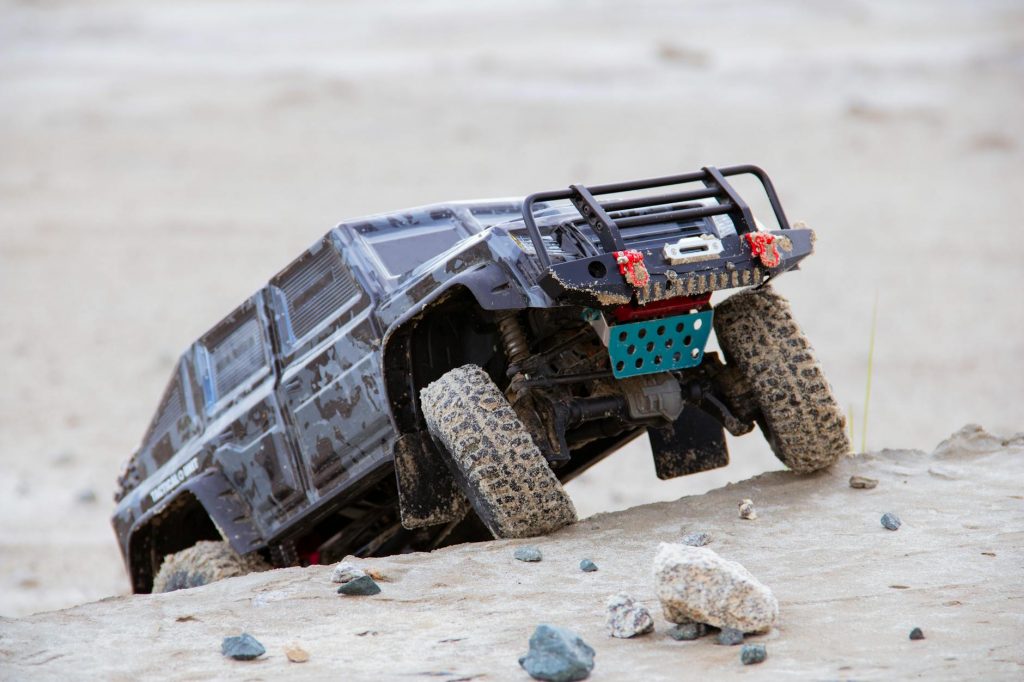
If you’ve been casually buying RC cars from your local toy shop, thinking they’re all basically the same, you’re missing something crucial. The difference between hobby-grade and toy-grade remote control vehicles isn’t just about price—it’s about building something that actually lasts versus throwing money at plastic that breaks in weeks.
Here’s what most Indians don’t realize: toy-grade RC cars are designed to be sold quickly and replaced quickly. The motors burn out, the electronics fry in rain, and the plastic chassis snaps if your kid drives it off even a small step. They’re built for casual play, nothing more.
Why Hobby-Grade Changes Everything
Hobby-grade vehicles, by contrast, are engineered like actual machines. They have brushless motors that can handle real speed and punishment. The suspension systems are adjustable—you can actually tune how your car drives. The batteries are lithium-based and way more powerful, not the cheap nickel-cadmium stuff that loses charge overnight.
But here’s what really matters for Indian buyers: repairability. With hobby-grade cars, you can replace individual parts. Your servo goes out? You buy a new servo. Motor burns? Swap it for another one. With toy-grade cars, you’re basically throwing out the entire vehicle and buying a new one.
The build quality difference is shocking once you actually hold both. Hobby-grade cars use metal gears, reinforced chassis, and precision bearings. Toy-grade uses plastic everywhere—gears, axles, everything. That’s not exaggeration; that’s just how they’re manufactured.
The Real Cost Comparison
Yes, a hobby-grade RC car costs ₹8,000 to ₹25,000 or more. A toy-grade costs ₹1,500 to ₹3,000. But do the math: if you’re replacing a toy-grade car every three months, you’re spending more money in a year than one hobby-grade investment that lasts for years.
Many Indian hobbyists have figured this out. Cities like Bangalore, Delhi, and Mumbai now have active RC racing communities where people modify and maintain hobby-grade vehicles. These aren’t rich kids playing around—they’re serious enthusiasts who understand the economics of quality.
The performance difference is equally dramatic. Hobby-grade cars handle properly on uneven ground, rain doesn’t instantly kill them, and they can actually go fast without falling apart. Toy-grade cars are basically glorified wind-up toys that respond to a remote.
What happens next matters for anyone thinking of getting into RC cars. If you’re buying for serious interest—whether it’s for a teenager or your own hobby—hobby-grade is genuinely the smarter investment. The used market in India is growing too, so you can find quality secondhand hobby-grade cars if the upfront cost feels steep. Either way, spending a bit more upfront saves serious money and frustration down the line.