
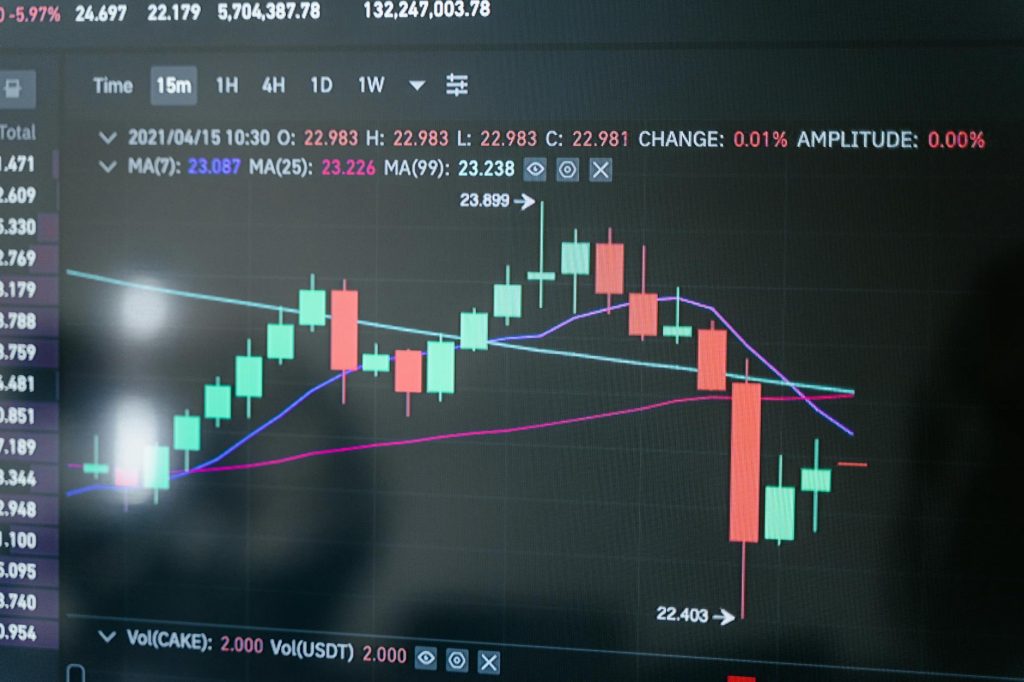
Indian stock markets have taken a beating this week that hasn’t been seen in over a year. The Sensex and Nifty both fell roughly 5% over the past five trading days, wiping out approximately ₹16 lakh crore in investor wealth. For context, that’s more money than the entire annual budget of most Indian states.
What triggered this sharp downturn? Two factors are hammering D-Street simultaneously. First, crude oil prices have spiked globally, raising concerns about inflation and import bills for a country that relies heavily on imported petroleum. Second, and perhaps more concerning, foreign institutional investors have been selling Indian equities aggressively, pulling out billions of rupees in what experts are calling a significant reversal of sentiment.
Why Foreign Investors Are Running for the Exits
Foreign funds have been net sellers in Indian markets for weeks now. This shift reflects global worries—rising US interest rates, a stronger dollar, and recession fears in developed economies are making investors more risk-averse. India, being an emerging market, often bears the brunt when global money flows reverse direction.
The oil price surge is particularly troubling for Indian policymakers. When crude prices climb, it directly hits everyday Indians through higher petrol and diesel costs. It also strains the government’s finances since India imports nearly 85% of its oil needs. Refineries pass on costs, inflation ticks up, and central bank policies become more restrictive.
What This Means for Your Investments and Wallet
If you’re a retail investor holding mutual funds or stocks, this week’s losses are painful but not catastrophic—assuming you invested with a long-term horizon. Market corrections of 5-10% happen regularly, and panicking now would lock in losses unnecessarily.
The broader concern is whether this selling accelerates further. If FIIs continue withdrawing, rupee weakness could follow, making imports more expensive and adding to inflation pressures. The RBI will likely monitor these developments closely before making any policy moves.
Regular working Indians should watch two things closely: petrol and diesel prices at the pump, and any announcements from the Reserve Bank about interest rate changes. Higher fuel costs directly eat into household budgets, while rate changes affect home loan and deposit returns.
Market veterans point out that this volatility isn’t unusual during global uncertainty. What matters now is whether the selling becomes indiscriminate panic or remains driven by genuine economic concerns. Strong corporate earnings and stable domestic fundamentals could stabilize things quickly, but the next few weeks will be crucial.
Keep your portfolio steady, avoid emotional decisions, and remember that every market correction eventually becomes someone’s investment opportunity.