
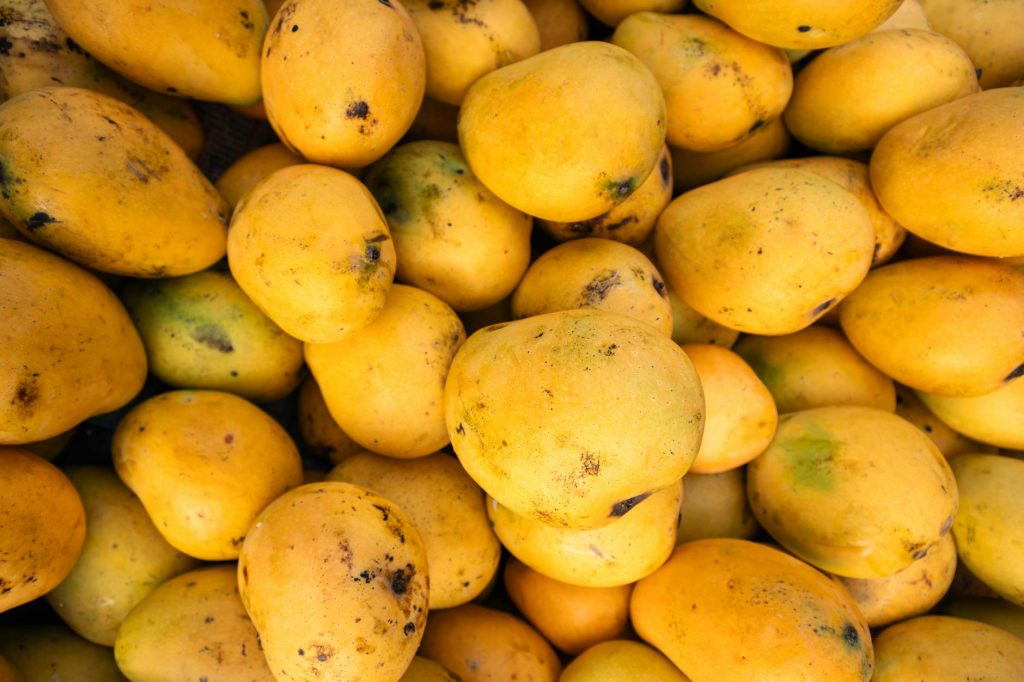
Are Indian mangoes safe for consumption abroad? Japan’s answer is a resounding ‘no’ after detecting contamination in recent imports.
The move is a significant setback for India’s lucrative mango export industry, which has been relying on Japan as a major market. The ban, which comes into effect immediately, affects several popular varieties including Alphonso, Kesar, Langra, and Banganapalli.
Contamination Concerns and the Consequences
Food officials in Japan discovered high levels of pesticide residues in a batch of Indian mangoes, prompting them to impose the ban. This is not the first time Indian mangoes have faced quality control issues abroad. In the past, there have been instances of pesticide residues and other contaminants being detected in Indian mangoes exported to countries like the United States and Europe.
The Indian government has been trying to boost exports of fruits and vegetables, including mangoes, to increase foreign exchange earnings. However, repeated contamination concerns have put a dent in these efforts.
India’s mango exports have been growing steadily over the years, with Japan being a significant market. In the 2022-23 fiscal year, India exported over 100,000 metric tons of mangoes, with Japan accounting for a substantial share of these exports.
The ban is likely to impact Indian mango farmers and exporters, who will now have to find alternative markets for their produce. It also raises questions about the effectiveness of India’s quality control measures, which need to be strengthened to ensure that produce meets international standards.
What’s Next for Indian Mango Exports?
The Indian government will need to take concrete steps to address the concerns raised by Japan. This includes strengthening quality control measures, ensuring that produce meets international standards, and providing support to farmers and exporters to help them adapt to changing market conditions.
India’s agriculture ministry has already initiated steps to improve quality control, including the establishment of new laboratories and the training of officials to detect contaminants. However, more needs to be done to regain the trust of international markets.
The ban is a wake-up call for India’s mango export industry, which needs to be more proactive in addressing quality control concerns. By taking concrete steps to address these concerns, India can regain its position as a reliable supplier of high-quality mangoes to international markets.
Why This Matters
The Japan ban is a significant setback for India’s mango export industry, which has been growing steadily over the years. However, it also presents an opportunity for India to reassess its quality control measures and take concrete steps to improve standards.
By addressing the concerns raised by Japan, India can regain its position as a reliable supplier of high-quality mangoes to international markets. This will not only boost exports but also help Indian farmers and exporters to tap into new markets and increase their earnings.