
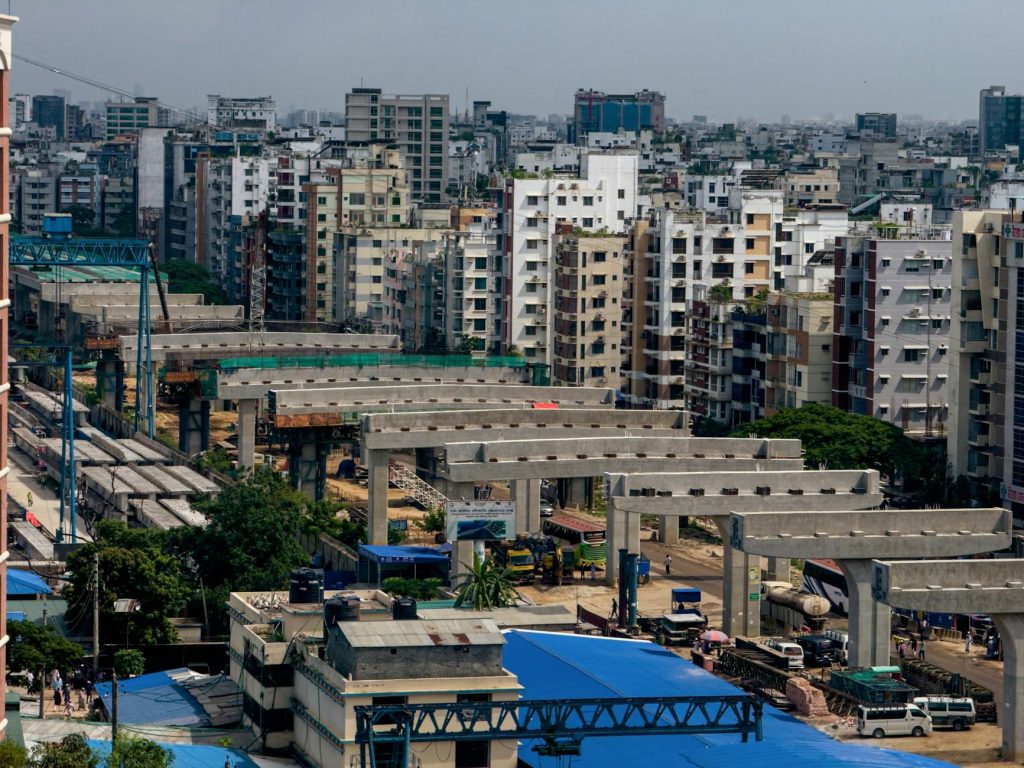
Are Indian cities ready to support the country’s growing population? With over 50% of Indians living in cities, the need for well-planned infrastructure is becoming increasingly important. In a recent report, experts have identified a massive opportunity worth $51 billion to transform India’s urban landscape and create 26 lakh jobs in the process.
As India continues to urbanize at a rapid pace, the pressure on cities to provide basic amenities like housing, transportation, and sanitation is mounting. But infrastructure development can do more than just meet these needs – it can also drive economic growth and improve the quality of life for citizens. By investing in projects like roads, bridges, and public transportation, the government can create a ripple effect that benefits businesses, industries, and individuals alike.
The Economic Potential of Urban Infrastructure
According to the report, the urban infrastructure sector has the potential to generate $51 billion in revenue over the next five years. This is a staggering figure that can help create 26 lakh jobs in construction, manufacturing, and other related industries. Moreover, the sector can also contribute significantly to India’s GDP growth, making it an attractive area for investment.
But the benefits of urban infrastructure development extend beyond the economy. By investing in green spaces, public parks, and recreational facilities, cities can become more livable and sustainable. This, in turn, can improve the health and well-being of citizens, making them more productive and happy. As the report highlights, a well-planned urban infrastructure can also help reduce traffic congestion, air pollution, and other environmental concerns.
Challenges and Opportunities
While the potential of urban infrastructure development is immense, there are also several challenges that need to be addressed. One of the major hurdles is the lack of coordination between different government agencies and departments. To overcome this, the report suggests the establishment of a single window clearance system that can streamline the approval process and reduce bureaucratic delays.
Another challenge is the need for skilled labor and expertise in areas like urban planning, architecture, and engineering. To address this, the government can invest in training programs and capacity-building initiatives that can equip local communities with the skills they need to participate in urban infrastructure projects.
The report also highlights the need for private sector participation in urban infrastructure development. By partnering with private companies, the government can leverage their expertise, resources, and risk management capabilities to deliver projects more efficiently and effectively.
What’s Next?
The report’s findings and recommendations offer a roadmap for governments, businesses, and individuals to work together towards creating a better urban future for India. As the country continues to urbanize, it’s essential that we prioritize infrastructure development and create opportunities for economic growth, job creation, and sustainable development. By doing so, we can build cities that are not only livable but also thriving, prosperous, and resilient.
As India’s urban population continues to grow, the need for well-planned infrastructure is becoming increasingly important. By investing in urban infrastructure development, the government can create a brighter future for citizens, drive economic growth, and make India a more competitive and attractive destination for businesses and investments.
In conclusion, the $51 billion opportunity in urban infrastructure development is a wake-up call for India’s policymakers, businesses, and citizens to work together towards creating a better urban future. By prioritizing infrastructure development and creating opportunities for economic growth, job creation, and sustainable development, we can build cities that are not only livable but also thriving, prosperous, and resilient.