
India has made tremendous strides in child nutrition and vaccination, according to the latest data from the 6th National Family Health Survey (NFHS). The key finding: the percentage of children under five years old who are stunted has dropped by a whopping 24% since 2005-06!
The NFHS, conducted by the ICF International and the Ministry of Health and Family Welfare, surveyed over 1.1 lakh households across the country to gather data on health, nutrition, and family welfare. The survey covers crucial indicators such as infant and child mortality, maternal health, and reproductive health.
A Ray of Hope in India’s Child Nutrition Crisis
The survey reveals that India has made remarkable progress in reducing the prevalence of stunting among children under five. In 2005-06, about 48% of children were stunted, but this number has now dropped to 23.4%. This decline is attributed to the government’s concerted efforts to improve maternal and child health, particularly in rural areas.
Additionally, the survey shows that the percentage of children under five who are wasted (underweight) has also decreased by 10%. This is a significant achievement, given the challenges posed by India’s diverse geography and socio-economic conditions.
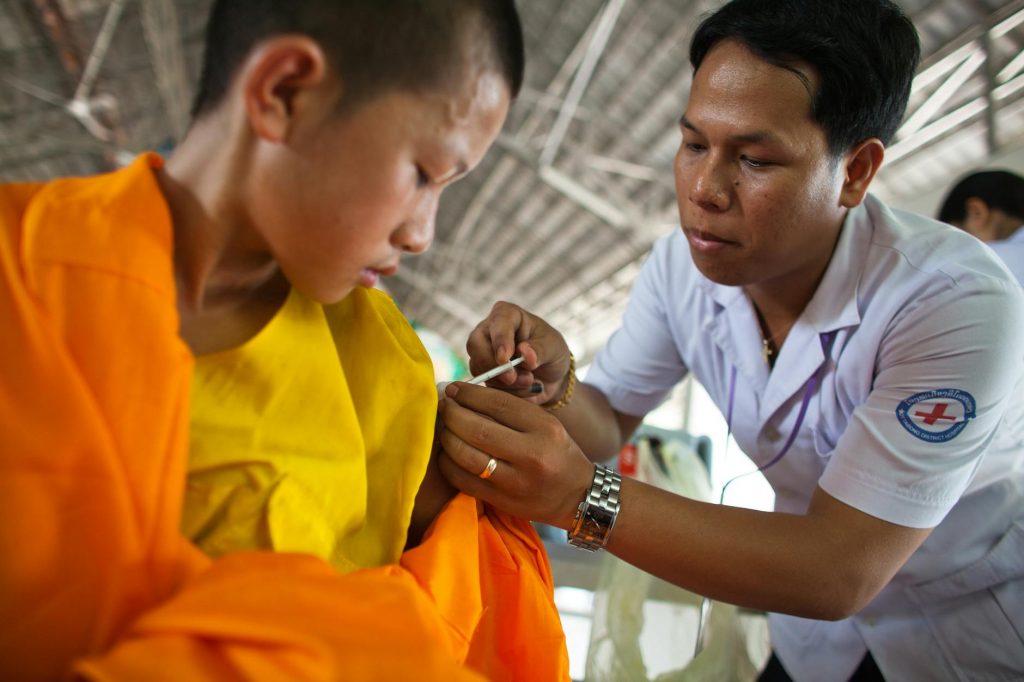
Another important finding is the rise in vaccination rates among children. According to the survey, the percentage of children under five who have received the full course of vaccinations has increased from 44% in 2005-06 to 83% in 2019-21. This is a testament to the government’s efforts to enhance immunization coverage, especially in rural areas.
Progress in Reproductive Health, Maternal Mortality
The NFHS survey also reveals progress in reproductive health and maternal mortality. The percentage of married women who are using any modern contraceptive method has increased from 46% in 2005-06 to 54% in 2019-21. This indicates a growing awareness about family planning and reproductive health among Indian women.
However, the survey also highlights areas of concern, such as the high prevalence of early marriage and child marriage. About 27% of women aged 20-24 got married before the age of 18, while 8% got married before the age of 16. These statistics underscore the need for continued efforts to address social and cultural barriers to reproductive health and family welfare.
What Does This Mean for Indians?
The findings of the 6th NFHS survey are a testament to the government’s commitment to improving the health and well-being of Indians, particularly children and women. As India continues to grow and develop, it is essential to sustain these gains and address the remaining challenges in the health sector. The NFHS survey provides valuable insights for policymakers, researchers, and civil society organizations working to improve health outcomes in India.
The survey’s findings also highlight the importance of continued investment in public health infrastructure, particularly in rural areas. By building on these gains, India can move closer to achieving the Sustainable Development Goals (SDGs) and ensuring that all its citizens have access to quality healthcare and a healthy life.