
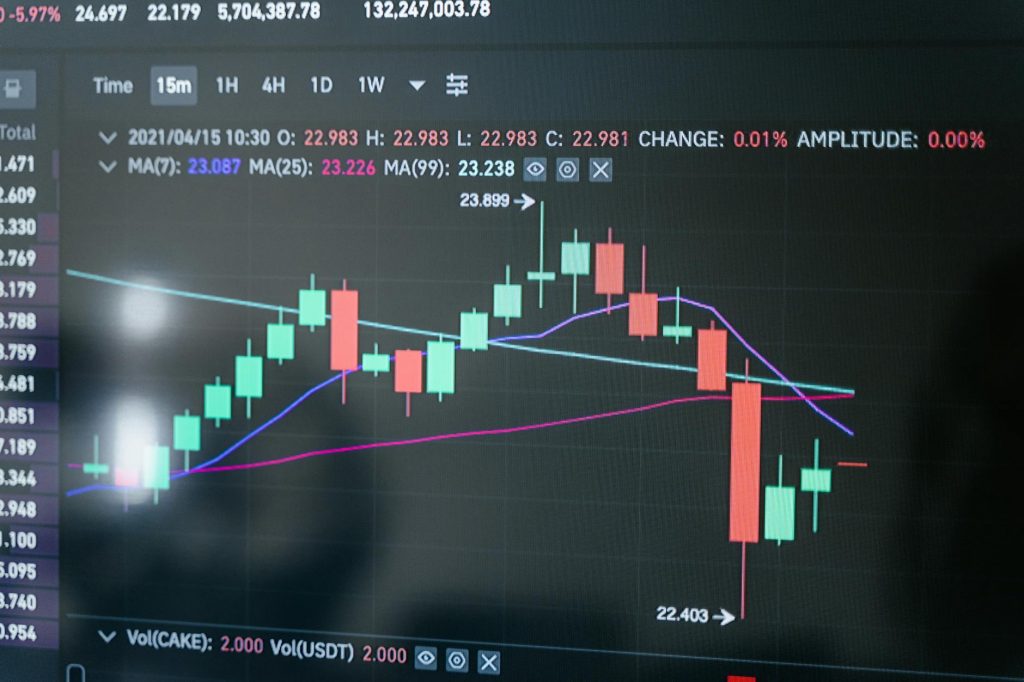
India’s stock market just took a massive hit. The Nifty 50 index has fallen 3,000 points from its recent peak, wiping out Rs 24 lakh crore in investor wealth. That’s nearly Rs 24 trillion — money that existed on paper just days ago.
What Happened to Your Portfolio?
This isn’t a small correction. When the Nifty drops this sharply, it affects millions of Indians — from retirees living on dividend income to young professionals saving for homes. Everyone with mutual funds, stocks, or pension plans just saw their net worth shrink.
The selloff reflects growing concerns about economic slowdown, inflation, and global uncertainties. Foreign investors have been pulling money out of Indian markets, adding pressure on indices that were riding high just weeks earlier.
Why Should You Care Right Now?
If you’re invested in the market through your job’s retirement plan or a mutual fund, your account value has dropped. But here’s the thing — market crashes are normal. They happen roughly every few years.
The real question is whether you panic-sell now or hold steady. History shows that investors who sell during crashes lock in losses, while those who stay invested usually recover within months.
Your situation depends on your goals. If you need money in the next 1-2 years, a crash hurts. If you’re investing for retirement 10-20 years away, this could actually be an opportunity to buy quality stocks at cheaper prices.
The broader market has shown resilience before. Previous crashes of similar magnitude have been followed by recoveries. But that doesn’t mean sitting idle either — this is when smart investors review their portfolio and rebalance if needed.
Banks, IT companies, and pharma stocks have been hit hard. Energy and commodity-linked stocks have fared slightly better. If your portfolio is heavily tilted toward tech, you’ve likely seen steeper losses than the index average.
What matters now is what you do next. Check your investment allocation. Make sure you’re not overexposed to any single sector. If you haven’t invested yet and have emergency funds ready, lower prices mean better entry points for long-term goals.
The Reserve Bank and government will be watching closely. Any major policy changes or rate cuts could provide support to markets. International markets are also a factor — global recession fears keep weighing on Indian equities.
Bottom line: Rs 24 lakh crore is a scary number, but wealth on paper disappears as quickly as it appeared. What matters is whether you invest with patience and discipline, or let emotions drive panic decisions that you’ll regret later.