
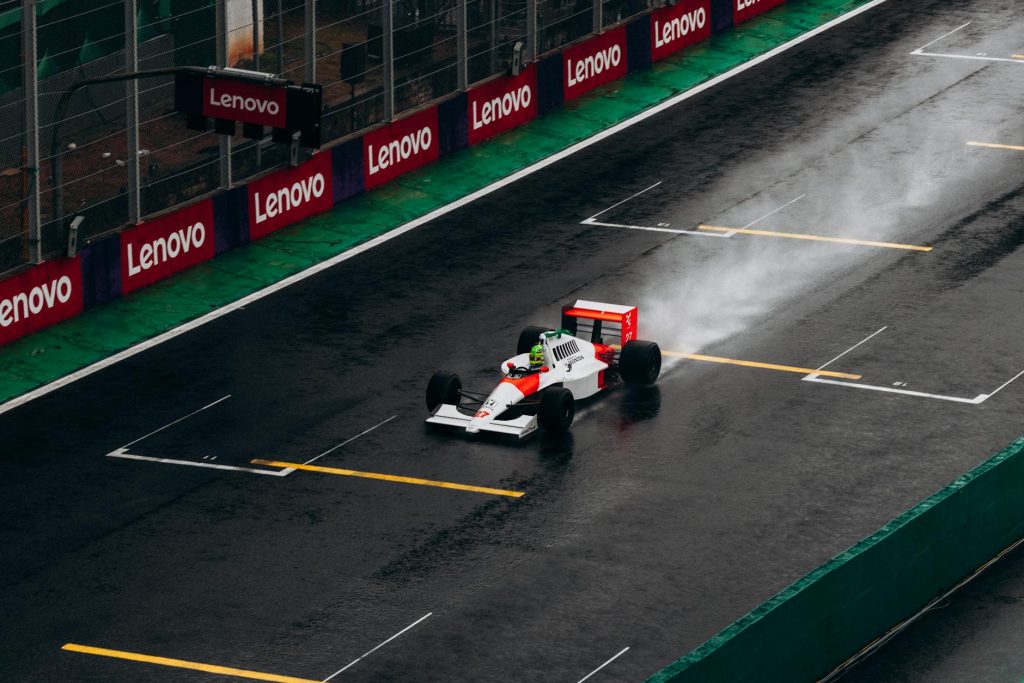
Lewis Hamilton’s Formula 1 movie has clinched the Oscar for Best Sound at Hollywood’s biggest night. The film, which explores the legendary racer’s journey and experiences in motorsport, took home the prestigious award. However, there’s a twist — the Ferrari driver himself was nowhere to be seen at the glitzy ceremony.
What the Oscar Win Means
This isn’t just any award for the film. Winning Best Sound means the movie’s technical team nailed one of cinema’s most crucial elements — the rumble of engines, the screech of tyres, the roar of crowds at the track. For an F1 film, that’s absolutely critical.
The film brings Hamilton’s perspective to audiences worldwide, showcasing what it really takes to compete at the highest level of motorsport. It’s a big moment for the sport in mainstream entertainment, which often struggles to break into Hollywood’s heavyweight categories.
Why Hamilton Missed the Party
Hamilton’s absence from the ceremony has people talking. The seven-time World Champion is currently focused on his racing commitments with Ferrari, his new team since leaving Mercedes. The F1 season demands intense preparation and physical conditioning throughout the year.
Missing the Oscars ceremony likely wasn’t a casual decision. Between testing, media obligations, and maintaining peak fitness, the racing calendar leaves little room for extracurricular events, even prestigious ones.
What This Means for F1 Cinema
This Oscar win signals something important: Formula 1 movies can compete at the highest echelons of filmmaking. It’s not just niche motorsport content anymore. The technical excellence and storytelling have caught Hollywood’s attention in a serious way.
For Indian audiences, this matters too. F1’s fanbase in India has exploded in recent years, with Hamilton becoming a household name. A film that captures the essence of modern motorsport, told through Hamilton’s eyes, carries significant appeal beyond hardcore racing fans.
The Best Sound award also validates the production quality of the entire project. Sound design in films is often overlooked by general audiences, but winning Oscars for it proves the filmmakers spared no expense in bringing the F1 experience to life authentically.
Going forward, expect more major filmmakers to tackle Formula 1 stories seriously. When your motorsport film wins Oscars, it opens doors for bigger budgets, stronger casts, and wider theatrical releases. This could mean more F1-inspired content hitting screens globally.
Hamilton’s Ferrari chapter is just beginning, and while he couldn’t attend the ceremony, his film’s success adds another dimension to his legacy beyond the race track.