
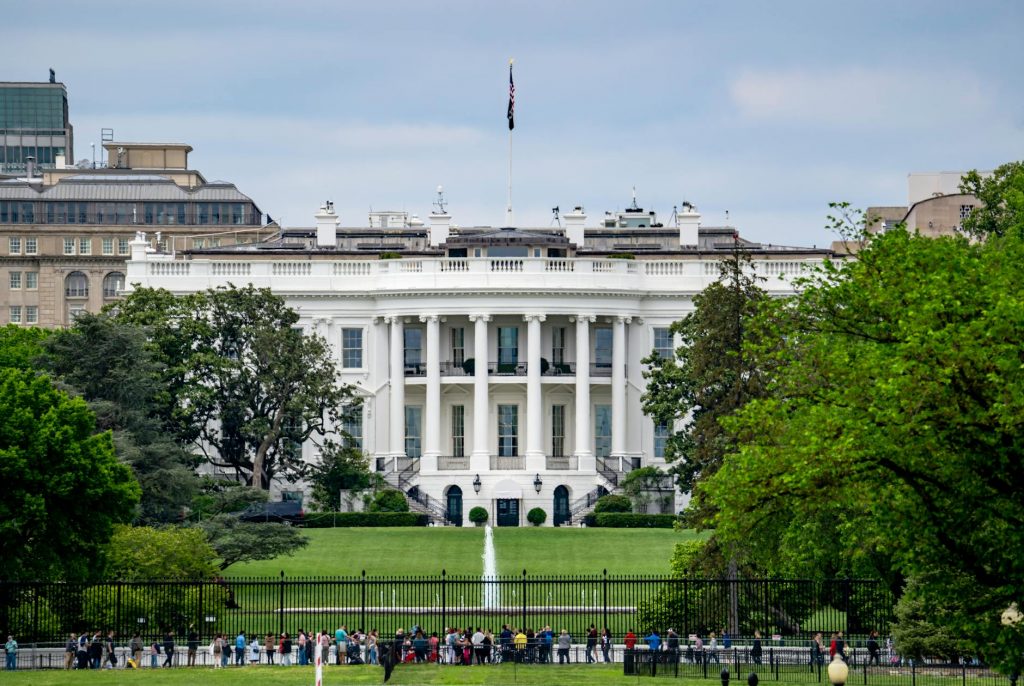
Are the health checks of US presidents really about their well-being, or is it just a public relations exercise? This question has been on many people’s minds, especially after Donald Trump’s doctor recently announced that he is in excellent health. To answer this, let’s delve into the history and significance of these annual physical exams.
Every year, the President of the United States undergoes a thorough medical checkup, which is then made public to some extent. This practice has been in place for several decades and is meant to reassure the public that their leader is fit to govern. However, many have raised concerns that these health checks are more about presenting a positive image than actually assessing the president’s health.
History of Presidential Health Checks
The tradition of presidential health checks began after the sudden death of President William McKinley in 1901. McKinley’s demise highlighted the need for transparency about the president’s health, and since then, every president has undergone an annual physical exam. Over the years, the nature and extent of these exams have varied, but the underlying purpose has remained the same: to demonstrate that the president is physically and mentally capable of performing their duties.
Despite the good intentions behind these health checks, they have often been criticized for being more about public relations than actual health assessments. For instance, President John F. Kennedy’s doctors were accused of downplaying the severity of his back problems and other health issues. Similarly, President Ronald Reagan’s physicians were criticized for not disclosing the full extent of his cognitive decline in the years leading up to his diagnosis with Alzheimer’s disease.
The Case of Donald Trump
Donald Trump’s recent health check has sparked renewed debate about the purpose and usefulness of these annual exams. According to his doctor, Trump is in excellent health, with a clean bill of health and no significant medical issues. However, many have questioned the credibility of this assessment, given Trump’s well-documented history of questionable eating habits, lack of exercise, and other unhealthy behaviors.
Moreover, Trump’s health check has been criticized for being overly secretive and lacking in transparency. Unlike previous presidents, Trump’s medical records have not been made fully public, leading to speculation and rumors about his actual health. This lack of transparency has only added to the perception that these health checks are more about presenting a positive image than actually assessing the president’s health.
Why It Matters
So, why do these health checks matter, and what happens next? The answer lies in the fact that the president’s health is a matter of national security and public interest. As the leader of the free world, the president’s physical and mental well-being have a direct impact on the country’s decision-making and policy-making processes. Therefore, it is essential that the public has confidence in the president’s ability to perform their duties, and that any health issues are properly disclosed and addressed.
In conclusion, while the annual health checks of US presidents are meant to reassure the public about their leader’s well-being, they often raise more questions than answers. As we move forward, it is essential that these exams are conducted with greater transparency and credibility, and that the public is provided with a clear and accurate picture of the president’s health. Only then can we trust that these health checks are truly about the president’s well-being, and not just a public relations exercise.
As Indians, we may wonder what this means for us. The answer lies in the fact that the health and well-being of world leaders have a direct impact on global politics and economies. As a significant player in global affairs, India has a vested interest in understanding the dynamics of international relations and the factors that influence them. Therefore, staying informed about the health and well-being of world leaders, including the US president, is crucial for India’s own national interests and foreign policy.
Furthermore, the debate surrounding presidential health checks also raises important questions about the role of transparency and accountability in governance. As Indians, we can draw parallels with our own experiences of dealing with issues of transparency and accountability in our own government and institutions. By examining the ways in which other countries approach these issues, we can gain valuable insights and lessons that can inform our own efforts to promote greater transparency and accountability in India.