
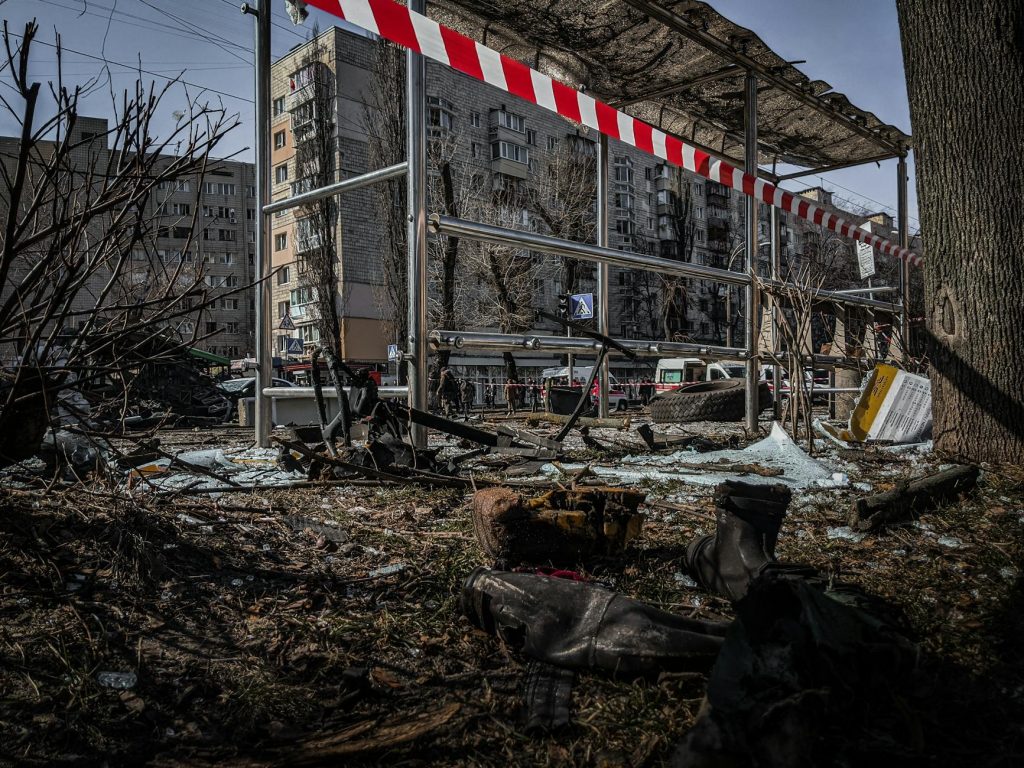
Did Russia’s relentless threats before bombing Kyiv mean they were trying to mess with people’s heads? That’s the big question on everyone’s mind after a tense week. For days, the world waited, and Kyiv held its breath as Moscow hinted at a massive attack. When it finally happened, it felt like the anticipation itself was part of the weapon.
A Week of Dread
Imagine living under constant threat, knowing something big is coming but not knowing when. That was the reality for Kyiv residents. Russia had been dropping hints, making veiled promises of serious action. This drawn-out warning period wasn’t just about preparing for an attack; it seemed designed to sow fear and anxiety. Every siren, every news alert, would have amplified the dread, making people feel helpless and constantly on edge. It’s a psychological game, and it’s brutal.
The Attack Finally Lands
After a long, agonizing week of these psychological games, the actual bombardment began. While the exact scale and targets are still being assessed, the fact that it followed such a drawn-out period of threats is significant. It suggests a strategy that goes beyond just military objectives, aiming to break the spirit of the city and its people. This isn’t just about buildings being hit; it’s about the mental toll on civilians.
Why This Matters for India
For us in India, understanding these tactics is crucial. We’ve seen how conflicts can play out in complex ways, and this psychological warfare aspect is a chilling reminder. It highlights the devastating impact of war, not just on the battlefield but on the minds of ordinary people. As the situation in Ukraine continues to evolve, these strategic nuances are important to grasp to comprehend the full picture of this ongoing crisis.