
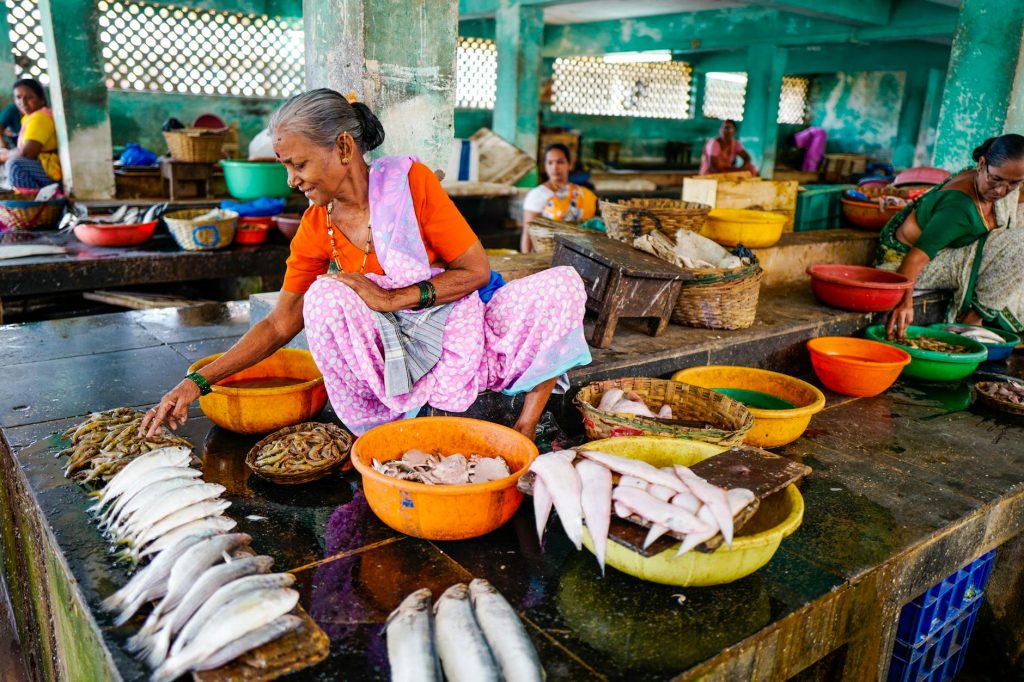
The alarming reality is that a staggering one-third of the world’s seafood is caught by pirates and smugglers, causing untold damage to the ocean’s ecosystem and the livelihoods of genuine fishermen.
The International Day Against Illegal, Unreported and Unregulated (IUU) Fishing was marked globally on June 5, with India joining the fray. This year’s theme, ‘IUU Fishing: A Threat to Ocean Stewardship,’ highlighted the grave consequences of unchecked fishing practices.
What is IUU Fishing?
Illegal, Unreported and Unregulated fishing refers to the practice of fishing without permission, failing to report catches, or operating outside of designated fishing areas. It’s a complex web of crimes that affect not just the environment but also the communities that depend on fishing for their livelihood.
The problem is exacerbated by the anonymity of the global seafood trade, making it difficult to track the origin of catches. IUU fishing is linked to overfishing, habitat destruction, and the depletion of marine species. The consequences are far-reaching, from the loss of income for genuine fishermen to the degradation of the ocean’s ecosystem.
India’s Commitment to IUU Fishing Control
India has been at the forefront of efforts to combat IUU fishing. The country has strengthened its fisheries management framework, introducing measures such as vessel monitoring systems and observer programmes to track fishing activities. The Indian Coast Guard and other enforcement agencies have also been trained to detect and deter IUU fishing.
The government has also implemented policies to promote sustainable fishing practices and protect marine biodiversity. The Ministry of Fisheries, Animal Husbandry and Dairying has launched initiatives to promote eco-labeling, which ensures that seafood is sourced from certified sustainably managed fisheries.
What Does This Mean for Indians?
The fight against IUU fishing has significant implications for India, a country that relies heavily on seafood for both food and livelihoods. By combating IUU fishing, India can protect its marine resources, ensure the sustainability of its fishing industry, and promote the well-being of its coastal communities.
The government’s efforts to tackle IUU fishing are a positive step towards a more responsible and sustainable seafood trade. It’s a critical issue that requires continued attention and action from policymakers, fishermen, and consumers alike.
As India joins the global fight against IUU fishing, it’s essential to raise awareness about the importance of responsible fishing practices and the need to protect the ocean’s ecosystem. By working together, we can ensure a healthier and more sustainable seafood supply chain, benefiting both the environment and the communities that depend on it.