
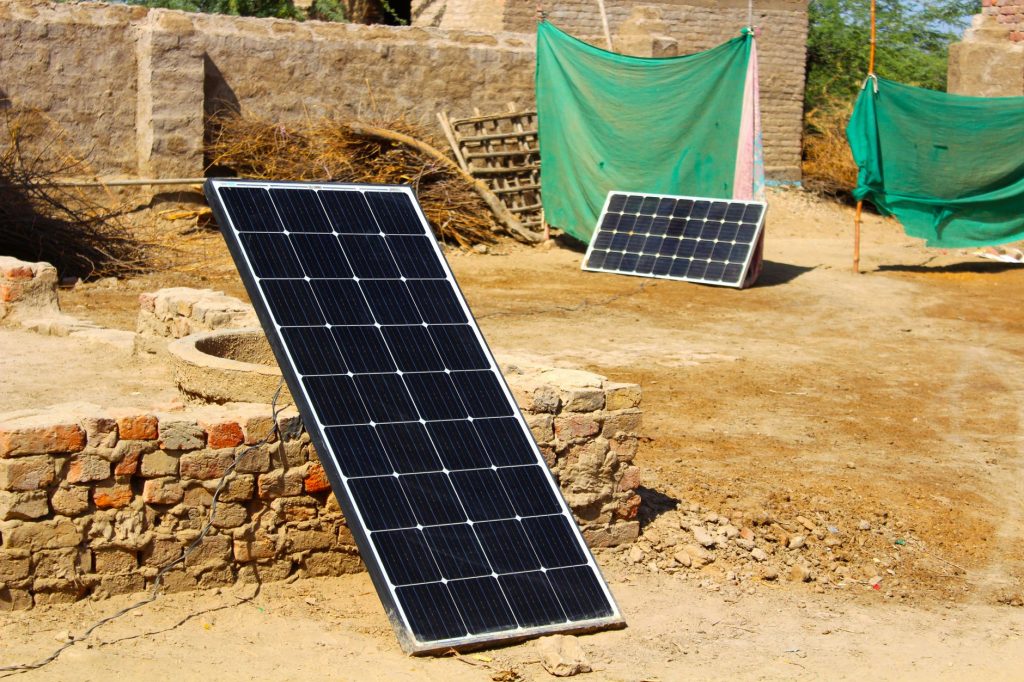
The Indian government’s push for renewable energy has paid off in a big way. The country’s solar capacity has increased from a mere 2.8 GW in 2008 to a staggering 155 GW in 2020, marking a 5,500% jump in just 12 years. This remarkable growth is a testament to the government’s commitment to reducing India’s reliance on fossil fuels and meeting its ambitious renewable energy targets.
Rising Demand for Clean Energy
India’s solar sector has witnessed unprecedented growth over the years, driven by declining costs of solar panels, government incentives, and increasing demand for clean energy. The country’s renewable energy portfolio has expanded rapidly, with solar power emerging as a major contributor. The Indian government’s target of generating 40% of its electricity from non-fossil fuels by 2030 has provided a significant boost to the sector.
The solar industry has created thousands of jobs and attracted significant investments in India. According to a recent report, the country’s solar market is expected to reach $20 billion by 2025, making it one of the largest solar markets in the world. This growth has also led to the development of a robust supply chain, with local manufacturers producing high-quality solar panels and other equipment.
Government Initiatives Drive Growth
The government’s initiatives have played a crucial role in driving the growth of India’s solar sector. The launch of the National Solar Mission in 2010 provided a clear roadmap for the development of solar energy in the country. The government’s policies, such as the GST exemption for solar panels and the generation-based incentives, have helped reduce the cost of solar energy and make it more competitive with fossil fuels.
The government’s target of achieving 40 GW of solar capacity by 2017 was achieved two years ahead of schedule, demonstrating the sector’s potential. The government’s commitment to renewable energy has also led to the development of innovative financing models, such as the solar rooftop program, which has enabled households and businesses to adopt solar energy.
What’s Next?
As India’s solar capacity continues to grow, the government is looking to scale up its renewable energy ambitions. The government has set a target of achieving 450 GW of renewable energy capacity by 2030, with solar power accounting for a significant share. The government is also working to develop a robust grid infrastructure to support the integration of solar energy into the national grid.
The growth of India’s solar sector has significant implications for the country’s energy security and climate change goals. As the country continues to transition towards a low-carbon economy, the solar sector is expected to play a critical role in meeting India’s energy needs while reducing its greenhouse gas emissions. With the government’s continued support and the sector’s rapid growth, India is well on its way to becoming a global leader in solar energy.