
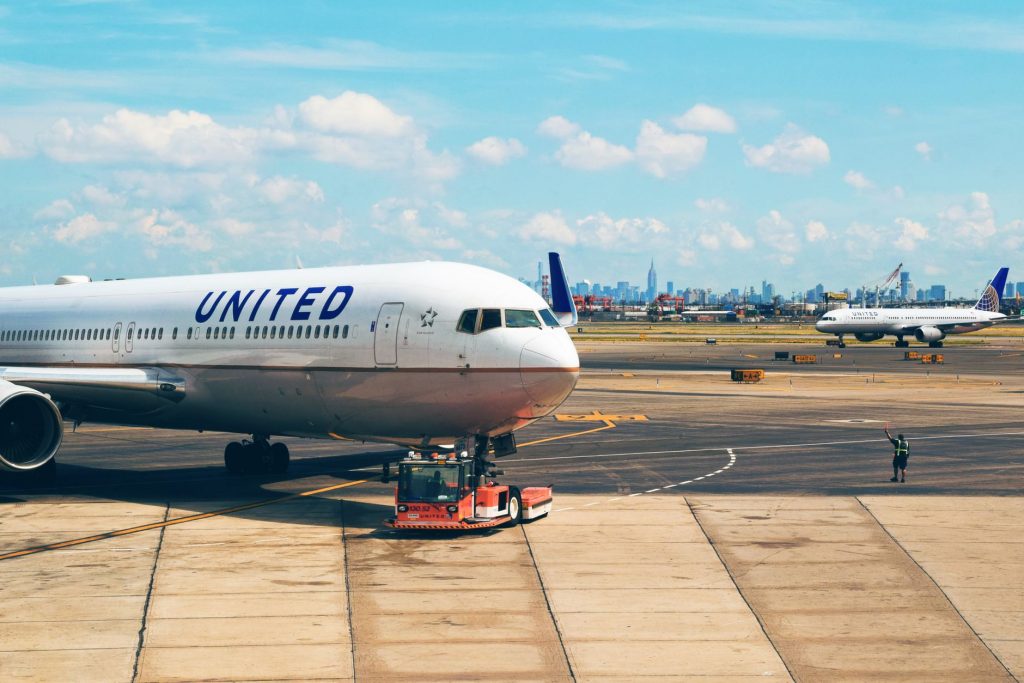
Imagine this: you’ve packed your bags, said your goodbyes, and you’re all set for that much-awaited trip to see family or explore a new city. Suddenly, you’re stuck at the airport, staring at a departure board filled with delays and cancellations. This is exactly what happened to thousands of travellers recently at Newark Liberty International Airport in the United States, turning their travel plans into a nightmare.
A Day of Airport Disruption
Newark Liberty International, a major hub for air travel, became a scene of significant chaos recently. A whopping 211 flights faced delays, and 32 flights were completely cancelled. This massive disruption wasn’t just a minor inconvenience; it rippled across the globe, affecting journeys to and from the US, Canada, Europe, and even the beautiful islands of the Caribbean. Major airlines like United, American, Delta, JetBlue, Emirates, Air Canada, and Lufthansa were all caught in this widespread travel mess.
Why the Chaos?
While the exact, single reason for such a large-scale disruption is often a mix of factors, these kinds of widespread issues at major airports usually stem from a combination of things. Sometimes it’s severe weather impacting operations, or it could be technical glitches with air traffic control systems, or even staffing shortages within the airlines themselves. Whatever the cause, the result is the same: frustrated passengers and complicated logistical headaches for everyone involved in the travel chain.
What This Means for Travellers
For the average Indian traveller planning a trip abroad, especially through major international hubs like Newark, this serves as a stark reminder of how unpredictable air travel can be. It highlights the importance of having travel insurance that covers delays and cancellations, and always checking your flight status well in advance. Airlines do their best to recover from such events, but passengers often face significant rebooking challenges and lost time. Experts advise travellers to build buffer time into their itineraries, especially when connecting flights, and to stay in close communication with their airline for the latest updates.