
Think of a well-coordinated street conflict — the kind that starts with a spark but burns because someone’s fanning the flames behind the scenes. That’s exactly what investigators uncovered in Nagpur recently.
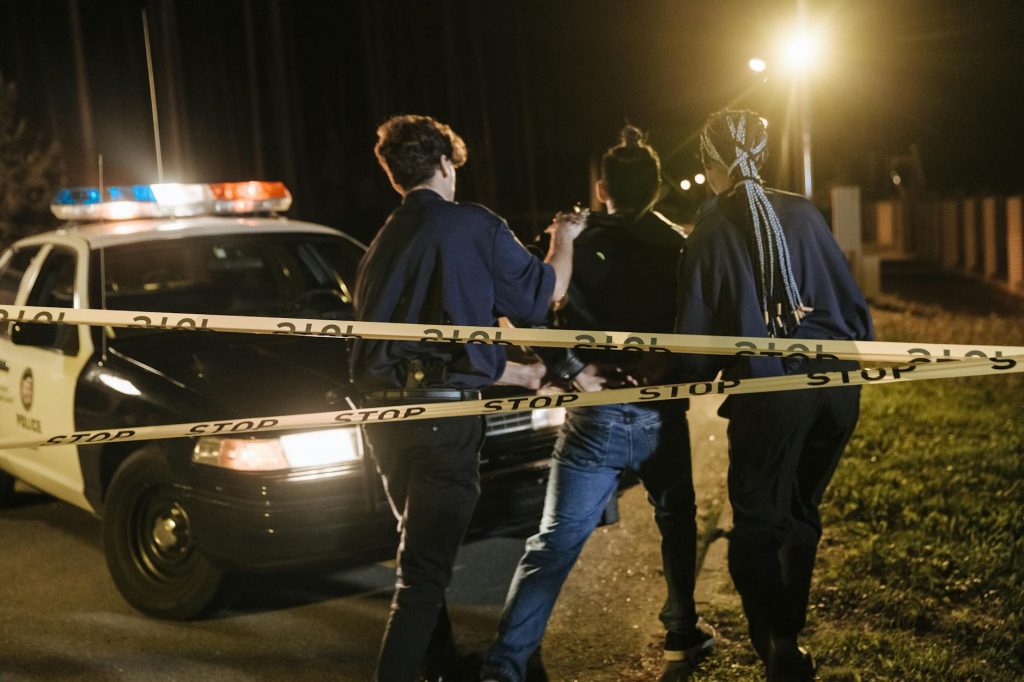
Police have arrested the person they believe orchestrated the recent violence that rattled the city. The arrest marks a significant breakthrough in what appeared initially as spontaneous clashes but turned out to be a carefully planned operation.
The arrest and investigation
The accused, identified as a key organiser, coordinated various groups before the violence erupted. Authorities recovered communication records and financial transactions that revealed how the operation was funded and executed from the shadows.
This wasn’t a random outbreak of anger on the streets. Instead, investigators found deliberate planning spanning weeks, with the mastermind sending out instructions through multiple channels to mobilise people.
The arrest came after police tracked digital footprints and cross-referenced eyewitness accounts. Interrogation revealed names of several associates still at large, and teams are actively pursuing them across the state.
What this means for the city
The arrest brings temporary relief to Nagpur’s residents, many of whom faced disruptions to daily life and genuine fear during the violence. Markets and schools had closed during the peak tension, and residents are now hoping for normalcy.
Police say this single arrest could unravel a larger network of organisers who’ve been causing trouble in the region. They’re examining links to previous incidents as well, suggesting this operation might be part of a bigger pattern.
The investigation also exposed how misinformation on social media played a role in mobilising crowds. Officers are now working with platform authorities to track false narratives that fuelled tensions.
Why this matters beyond Nagpur
Urban violence investigations like this have become crucial in how Indian cities maintain order. When authorities successfully identify masterminds rather than just arresting street-level participants, it disrupts the entire ecosystem of planned violence.
Security experts note that coordinated violence requires resources, planning, and most importantly, someone directing the show. Cutting off the head of such operations prevents recurrence more effectively than reactive policing alone.
The case also highlights growing challenges posed by instant messaging apps and social media in spreading inflammatory content at scale. Police departments across India are now training officers in digital investigation techniques to handle such cases.
As Nagpur settles back to normal, authorities are working to ensure the accused’s network is completely dismantled. The coming weeks will show whether this arrest truly closes the chapter or if further arrests are imminent.