
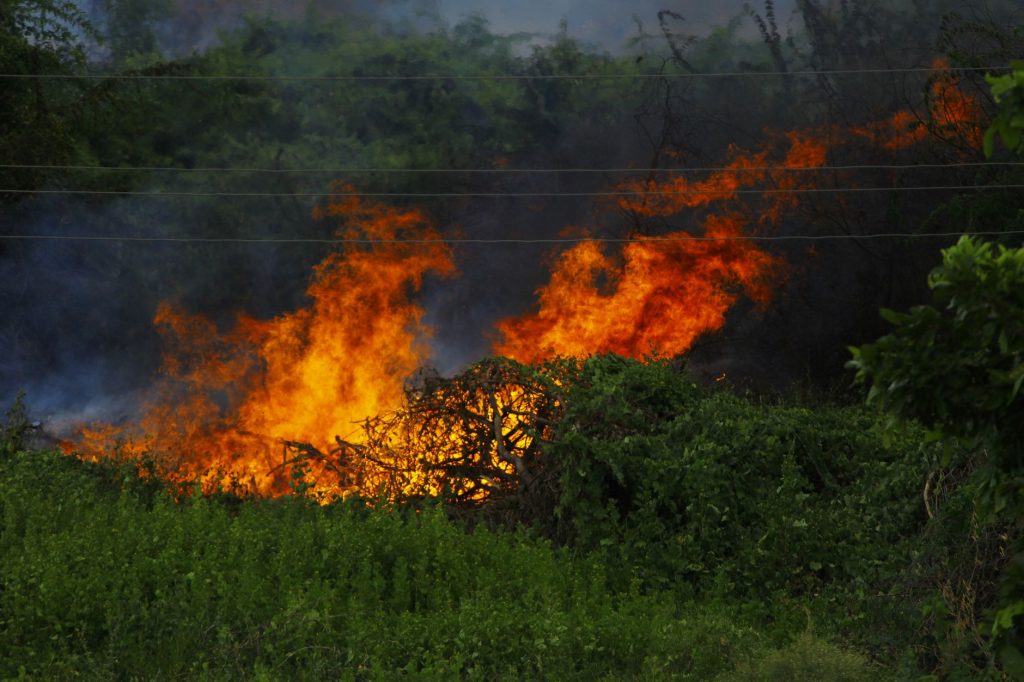
Imagine stepping out of your apartment on a sweltering summer morning, only to be greeted by an oppressive wall of heat. You take a deep breath, and the air feels like a furnace, sucking the moisture out of your skin. This is the reality for millions of Delhiites every summer, but why does the city feel so much hotter than the actual temperature suggests?
The Heat Index: A Tale of Two Cities
Delhi is known for its scorching summers, but the mercury doesn’t always tell the whole story. While the official temperature may hover around 40°C, the actual feel of the heat can be much higher. This is where the heat index comes in – a measure of how hot it feels outside, taking into account temperature, humidity, and wind speed. In Delhi, the heat index often peaks at 45°C or higher, making the city feel like a furnace.
But what makes Delhi’s heatwave so unique? One reason is the city’s unique geography. Delhi is a vast urban sprawl, with towering buildings, roads, and infrastructure that trap heat and create microclimates. The city’s heat island effect, where built-up areas absorb and retain heat, adds to the discomfort. In contrast, rural areas, like those in Haryana and Rajasthan, experience a relatively cooler climate, even during the peak summer months.
Another factor contributing to Delhi’s heatwave is the city’s weather pattern. The Indian monsoon, which brings much-needed relief from the heat, often arrives late or is delayed, leaving the city to suffer through long stretches of sweltering temperatures. This, combined with the heat island effect, makes Delhi feel like an oven. The situation is further exacerbated by the city’s lack of urban planning, with many areas lacking green spaces, trees, and other natural cooling agents.
However, there’s hope on the horizon. The Delhi government has initiated several projects to address the city’s heatwave issue. These include introducing more green spaces, enhancing public transportation, and installing air purifiers and cooling towers. While these measures are a step in the right direction, they’re nowhere near enough to alleviate the city’s heat stress. It’s time for Delhi’s residents, policymakers, and urban planners to come together and address this pressing issue.
Expert Insights: Cooling the City
Dr. S.P. Aggarwal, a renowned expert in urban planning and climate change, believes that Delhi’s heatwave is a symptom of a larger issue. ‘The city’s rapid urbanization and lack of planning have created a perfect storm of heat and discomfort,’ he says. ‘We need to rethink our urban design and prioritize green spaces, public transportation, and cooling infrastructure.’ Dr. Aggarwal suggests that the government should invest in innovative solutions, such as urban forestry, green roofs, and heat-absorbing pavements, to mitigate the heat island effect.
Dr. S. Chaudhary, a climate scientist, echoes Dr. Aggarwal’s sentiments. ‘Delhi’s heatwave is a wake-up call for us to take climate change seriously,’ she says. ‘We need to adopt a holistic approach, involving residents, policymakers, and urban planners, to address this issue.’ Dr. Chaudhary advocates for the development of a comprehensive heatwave management plan, incorporating research, education, and community engagement.
As Delhi sizzles through another sweltering summer, it’s high time for the city’s residents and policymakers to take action. By working together and prioritizing innovative solutions, we can create a cooler, more livable city for all.
The Road Ahead: Taking Action
So, what does the road ahead look like for Delhi? For starters, the government needs to invest in urban planning and infrastructure development that prioritizes green spaces, public transportation, and cooling infrastructure. Residents can also play a crucial role by adopting individual actions, such as using energy-efficient appliances, planting trees, and reducing water waste. By working together, we can make Delhi a more livable city for all.
In conclusion, Delhi’s heatwave is a pressing issue that requires immediate attention. By understanding the city’s unique geography, weather pattern, and urban planning challenges, we can develop effective solutions to mitigate the heat island effect. It’s time for Delhi’s residents, policymakers, and urban planners to come together and create a cooler, more sustainable city for all.