
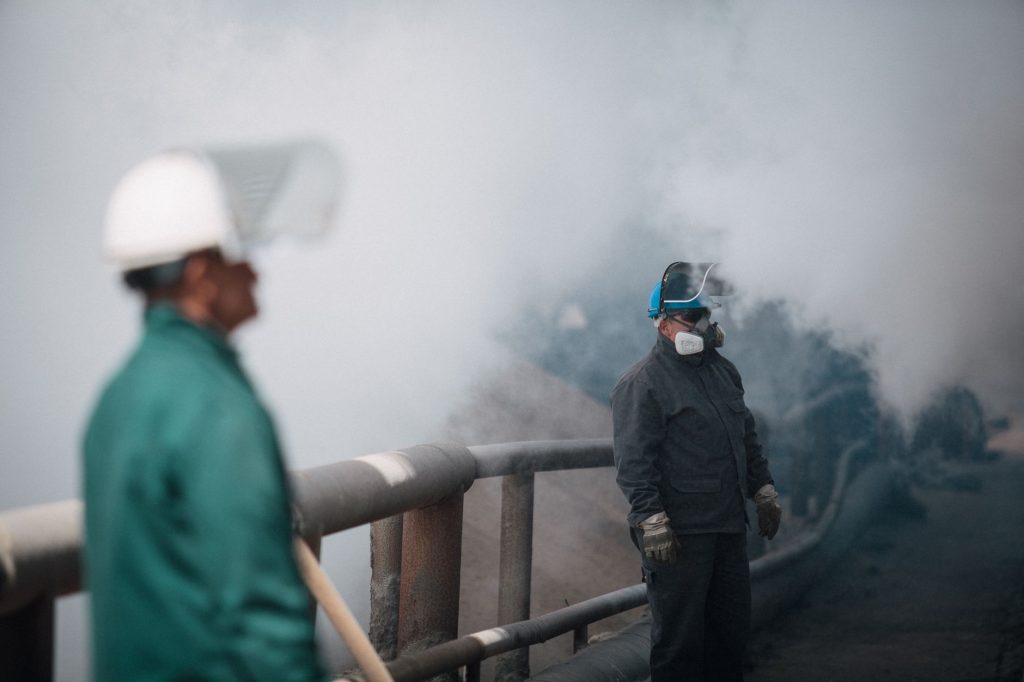
India’s e-waste workers are exposed to poisonous substances daily, putting their health at risk. In fact, it’s estimated that every second, an e-waste worker in India suffers a cut or an infection. This alarming rate is a stark reminder of the dangers these workers face while handling discarded electronic devices.
The e-waste industry has grown exponentially in India in recent years, with millions of tonnes of electronic waste generated every year. However, despite the growth, the industry has failed to provide a safe working environment for its employees. E-waste workers, mostly migrant labourers, are hired on a contract basis and are paid a meagre salary. They work in unhygienic conditions, often without proper protective gear, and are left to handle hazardous materials like lead, mercury, and cadmium.
The Dark Side of India’s E-Waste Economy
E-waste workers are often seen as a necessary evil in the e-waste economy. They are the ones who dismantle discarded electronic devices, extracting valuable materials like copper, gold, and silver. However, this process is fraught with risks. E-waste workers are exposed to toxic chemicals, which can cause a range of health problems, from skin and eye irritation to respiratory issues and even cancer.
The situation is further complicated by the lack of regulation in the e-waste industry. There are no standardized procedures for handling and disposing of e-waste, and workers are often left to fend for themselves. The government has introduced some regulations, but they remain largely unenforced. As a result, e-waste workers continue to face a toxic reality.
A Call to Action
So, what can be done to protect India’s e-waste workers? The first step is to recognize the risks they face and take steps to mitigate them. This can be done by introducing stricter regulations, providing proper training and equipment to workers, and ensuring that they are paid a fair wage for their work. Additionally, the government must take steps to increase awareness about the dangers of e-waste and the importance of responsible disposal.
The health and well-being of India’s e-waste workers are a matter of national concern. It’s time for the government and industry stakeholders to take action and ensure that these workers are protected. By doing so, we can prevent avoidable illnesses and even deaths, and promote a safer and more sustainable e-waste management system.
The Future of E-Waste Management
As India continues to navigate the complexities of e-waste management, it’s essential to prioritize the health and safety of e-waste workers. This can be achieved by promoting responsible consumption, increasing recycling rates, and developing sustainable technologies for e-waste disposal. By working together, we can create a safer and more environmentally friendly e-waste management system that benefits both India’s economy and its people.