
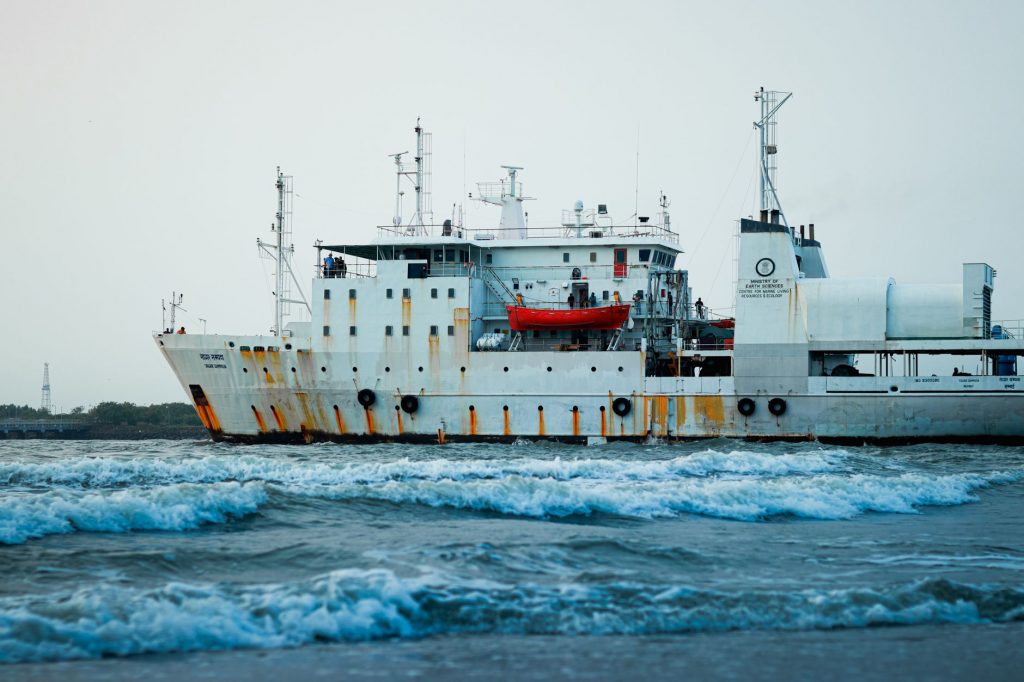
What’s the latest in India’s ambitious bid to become a global leader in ship recycling?
India has finally achieved this target, surpassing even the world’s largest ship recycling nations in 2025. According to the latest reports, India is now the world’s number one ship recycling nation, outdoing even countries like Turkey and Bangladesh.
So, what does this mean for India’s economy, environment, and maritime sector? To understand this remarkable achievement, let’s delve into the background and significance of India’s ship recycling industry.
India’s Ship Recycling Journey
India has been working tirelessly to establish itself as a major player in the global ship recycling industry. In recent years, the government has implemented a range of policies and regulations aimed at promoting ship recycling in the country. These initiatives have included providing tax incentives, setting up new ship recycling facilities, and promoting the use of environmentally friendly recycling methods.
The Indian government’s efforts to promote ship recycling have paid off, with the industry witnessing significant growth in recent years. Today, India is home to over 200 ship recycling facilities, with many more in the pipeline. These facilities are not only creating employment opportunities for thousands of people but also contributing significantly to India’s GDP.
So, what sets India apart from other ship recycling nations? For one, India has a unique combination of factors that make it an attractive destination for ship recycling. The country’s strategic location, with access to major ports and shipping lanes, makes it an ideal location for ship recycling. Additionally, India’s favorable regulatory environment and relatively low labor costs make it an attractive option for ship owners and operators.
The Benefits of India’s Ship Recycling Industry
India’s ship recycling industry is not only good for the country’s economy but also for the environment. Ship recycling is a highly regulated industry, with strict guidelines in place to ensure that old vessels are recycled in a responsible and environmentally friendly manner. In fact, India’s ship recycling industry is one of the most environmentally friendly in the world, with many facilities using advanced technology to recycle ships in a way that minimizes waste and pollution.
The benefits of India’s ship recycling industry extend beyond the environment, however. The industry is also creating employment opportunities for thousands of people, both directly and indirectly. From ship breakers to engineers, welders to painters, the ship recycling industry is providing a wide range of jobs for people across India.
Moreover, India’s ship recycling industry is also contributing significantly to the country’s GDP. The industry is estimated to have generated over $10 billion in revenue in 2025 alone, making it one of the country’s top-five revenue-generating industries.
What’s Next for India’s Ship Recycling Industry?
So, what’s next for India’s ship recycling industry? While the country has achieved a major milestone in becoming the world’s top ship recycling nation, there are still many challenges ahead. One of the biggest challenges facing the industry is the need to upgrade its facilities and equipment to keep pace with international standards. Additionally, the industry will need to continue to adapt to changing regulatory requirements and environmental concerns.
Despite these challenges, the future looks bright for India’s ship recycling industry. With the government’s continued support and investment in the sector, the industry is poised to continue growing and becoming an even more important contributor to India’s economy and environment.
In conclusion, India’s achievement of becoming the world’s top ship recycling nation is a major milestone for the country. The industry’s growth has not only contributed significantly to India’s economy but also helped to create employment opportunities and promote environmentally friendly practices. As the industry continues to grow and evolve, it will be exciting to see how it contributes to India’s development in the years to come.