
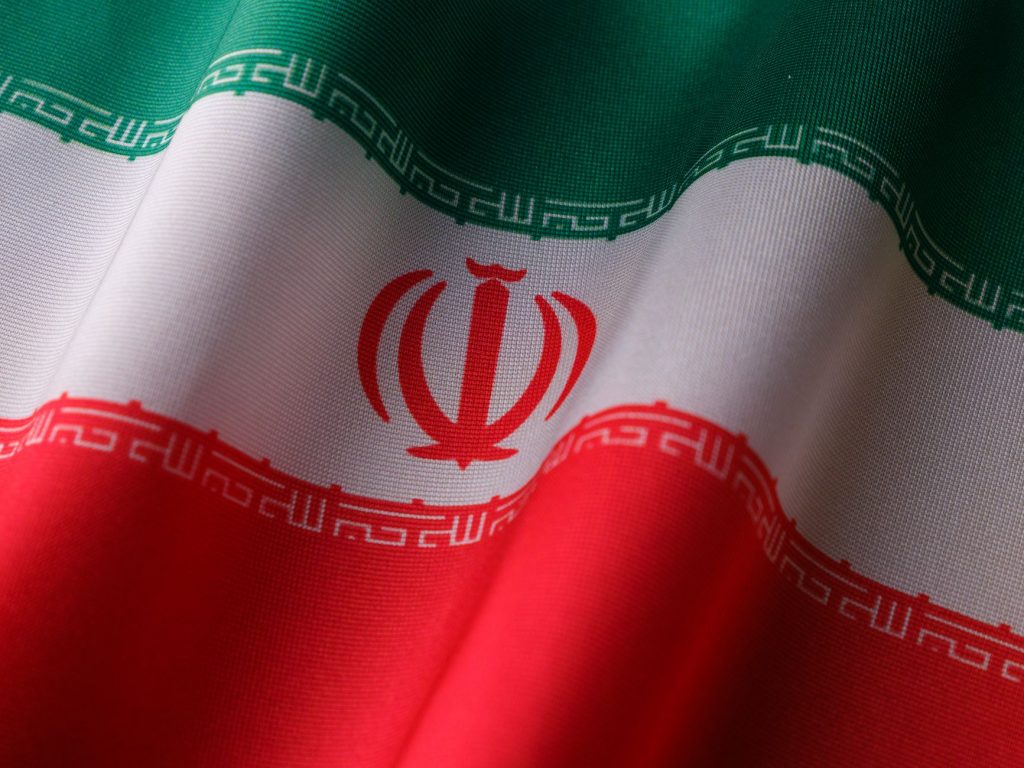
Are we on the brink of another war in the Middle East? This is the question on everyone’s mind as tensions between the United States and Iran continue to escalate. The disagreement between the two nations stems from a dispute over nuclear inspections and the strategic Strait of Hormuz. To understand the current situation, it’s essential to delve into the history of the conflict and the key issues at play.
Background of the Conflict
The United States and Iran have had a tumultuous relationship for decades, with tensions ebbing and flowing over the years. However, the current crisis began to unfold in 2018 when the United States withdrew from the Joint Comprehensive Plan of Action (JCPOA), commonly known as the Iran nuclear deal. The deal, signed in 2015, aimed to limit Iran’s nuclear program in exchange for relief from economic sanctions. The withdrawal of the United States from the agreement led to a significant escalation of tensions between the two nations.
The situation took a turn for the worse in recent months, with the United States imposing stringent sanctions on Iran, targeting its oil exports and banking sector. Iran, in response, began to breach some of the limits imposed by the nuclear deal, including enriching uranium to higher levels. The International Atomic Energy Agency (IAEA) has been monitoring Iran’s nuclear activities, but the country’s recent actions have raised concerns about its intentions.
Nuclear Inspections and the Strait of Hormuz
The dispute over nuclear inspections is a critical aspect of the current crisis. The United States has been pushing for more intrusive inspections, citing concerns about Iran’s adherence to the nuclear deal. Iran, on the other hand, argues that the current inspection regime is sufficient and that the United States is trying to undermine the deal. The Strait of Hormuz, a vital shipping lane for oil exports, has also become a flashpoint in the conflict. The United States has accused Iran of attacking oil tankers in the strait, which Iran denies.
The situation in the Strait of Hormuz has significant implications for India, which relies heavily on oil imports from the Middle East. Any disruption to oil supplies could have a devastating impact on India’s economy. Furthermore, the conflict has the potential to draw in other regional players, including Saudi Arabia and Israel, making the situation even more complex and volatile.
What’s at Stake for India?
So, what does this mean for India? The current crisis has significant implications for India’s energy security, economy, and foreign policy. India has traditionally maintained good relations with both the United States and Iran, but the current situation is forcing it to take sides. India has been trying to balance its relationships with both nations, but it’s becoming increasingly difficult to do so.
The Indian government has been engaging with both the United States and Iran to try to find a way out of the crisis. However, the situation is complex, and there are no easy solutions. The government will need to carefully consider its options and work with other international players to try to find a peaceful resolution to the conflict. The consequences of failure could be catastrophic, not just for the region but for the entire world.
In conclusion, the dispute between the United States and Iran over nuclear inspections and the Strait of Hormuz is a complex and volatile issue. The situation has significant implications for India, and the government will need to navigate the crisis carefully to protect the country’s interests. As the situation continues to unfold, one thing is certain – the world is watching with bated breath, hoping that a peaceful resolution can be found before it’s too late.