
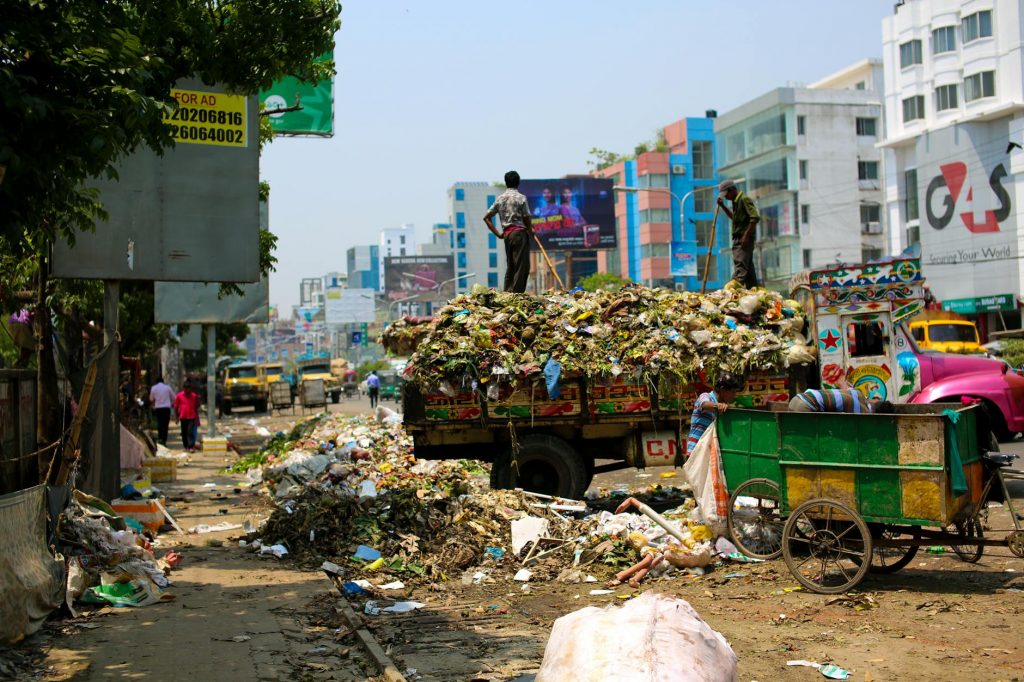
You’ve probably noticed the garbage piling up on your street corner. The overflowing bins, the smell, the rats. Well, India’s highest court just confirmed what most of us already know: our waste management system is broken.
The Supreme Court recently expressed serious concern about how miserably waste rules are failing across the country, citing the situation in Adampur as a glaring example of administrative collapse. The judges pointed out that despite having clear guidelines in place, states and local bodies simply aren’t following them.
What the Court Found
The problem isn’t that India lacks waste management rules. We have them on paper—comprehensive guidelines about segregation, treatment, and disposal. The real issue is implementation.
In Adampur, like in hundreds of other towns and cities, waste continues to be dumped without proper treatment. Segregation between wet and dry waste barely happens. Landfills are overflowing. Nobody’s monitoring whether contractors are actually following the rules they’ve been given.
The Court’s observations highlight a chain of negligence: state environmental departments aren’t supervising municipal bodies, municipal bodies aren’t enforcing contractor accountability, and citizens often don’t have information about what’s happening with their waste.
Why This Matters for Your City
This isn’t just about cleanliness anymore. Improper waste management poisons groundwater, spreads diseases, and contaminates soil where we grow food. Children in areas near landfills suffer higher rates of respiratory problems.
The Supreme Court’s intervention suggests stricter enforcement is coming. Authorities will face pressure to actually implement segregation at source, set up proper treatment facilities, and monitor landfills instead of just dumping waste on the outskirts of town.
What makes this particular judgment significant is the Court’s direct questioning of why states and municipalities have basically ignored existing waste rules for years. They’re not asking for new rules—they’re asking why the old ones gathering dust aren’t being followed.
Some states like Karnataka and Tamil Nadu have made progress with better waste processing infrastructure, but they remain exceptions rather than the rule. Most cities are still operating on outdated systems designed for populations half their current size.
Local bodies will now likely face court-mandated timelines to show compliance. We might see surprise inspections of landfills and actual penalties for violations instead of the typical bureaucratic warnings that never go anywhere.
The real test will be whether this court order translates into action on the ground—whether your municipal commissioner actually implements segregation, whether dump yards get proper treatment plants, and whether anyone bothers to monitor it all. That’s where India’s waste crisis will either start getting fixed or continue being ignored like everything else.