
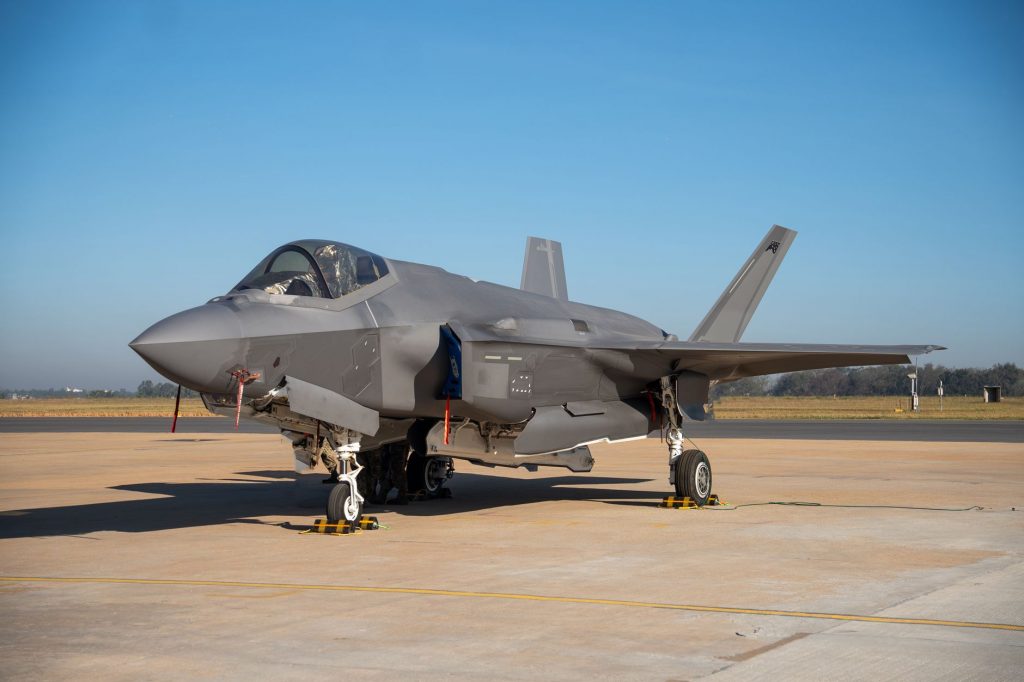
The Indian Air Force’s (IAF) ambitious plans to develop a fifth-generation fighter jet, the Advanced Medium Combat Aircraft (AMCA), have hit a major roadblock. The IAF has been struggling to find a suitable engine for the AMCA, with the current plans indicating that it will have to rely on an American engine.
This revelation has sparked a heated debate in India’s defence circles, with many questioning the wisdom of relying on a foreign engine for a critical component of the nation’s military capabilities. The IAF has been working on the AMCA project for over a decade now, but it’s still far from taking to the skies.
Why an Indian Engine is Crucial for the AMCA
The IAF’s decision to rely on a US engine for the AMCA is a major setback for India’s plans to develop its own indigenous engine technology. The country has been working on developing its own engine for the AMCA, but the project has been plagued by delays and technical issues. The IAF has been trying to develop an engine that meets the stringent requirements of the AMCA, but it’s still a work in progress.
The lack of a suitable engine has forced the IAF to go back to the drawing board and consider alternative options. The current plan is to use a US engine, which will give the IAF a temporary reprieve. However, this will also mean that India will have to rely on foreign technology for a critical component of its military capabilities.
The IAF’s reliance on a US engine for the AMCA raises several questions about India’s indigenous defence capabilities. If the country is unable to develop its own engine technology, then what does this say about its ability to develop other critical defence systems? The IAF’s decision to rely on a foreign engine will also have implications for India’s strategic relationships with other countries.
The Global Context – Why Many Fighter Jets Still Rely on Foreign Engines
The IAF’s reliance on a US engine for the AMCA is not an isolated incident. Many fighter jets around the world still rely on foreign engines, including some of the most advanced fifth-generation fighters. The F-22 and F-35, for example, rely on US engines, while the Eurofighter Typhoon relies on a European engine.
The reason for this is simple – developing a high-performance engine that meets the stringent requirements of a modern fighter jet is an extremely challenging task. The engine has to be able to provide high thrust levels while also meeting strict safety and reliability standards. This requires a significant amount of expertise and resources, which is why many countries opt for foreign engines.
India’s decision to rely on a US engine for the AMCA highlights the challenges of developing indigenous defence capabilities. While the country has made significant progress in developing its own defence systems, it still lags behind in several key areas, including engine technology.
What’s Next for the AMCA Project?
The AMCA project is a critical component of India’s defence modernization plans, and its success will have far-reaching implications for the country’s military capabilities. The IAF’s reliance on a US engine will give the project a temporary boost, but it will also raise questions about India’s ability to develop its own indigenous defence capabilities.
The government and defence officials will have to take a hard look at the AMCA project and assess the implications of relying on a foreign engine. They will have to weigh the benefits of using a US engine against the risks of relying on foreign technology. If they decide to go ahead with the US engine, then they will have to ensure that it meets the stringent requirements of the AMCA.
The AMCA project is a long-term effort that will require significant investment and commitment. The IAF and the government will have to work together to overcome the challenges facing the project and ensure its success. The fate of the AMCA project will have far-reaching implications for India’s defence capabilities, and it will be closely watched by defence analysts and experts around the world.