
North India Shudders, But Why?
North India often experiences the tremors of earthquakes that occur far away in Afghanistan. These earthquakes are so powerful that they can be felt across the vast expanse of our country. But why does this happen?
Let us go back in history to understand the reason behind this phenomenon. The Indian subcontinent is a seismically active region, and the Himalayan mountain range plays a crucial role in this process. The Himalayas are a result of the collision between the Indian and Eurasian tectonic plates, which has been happening for millions of years. As a result, the Indian plate is still moving northwards, and this movement creates stress in the Earth’s crust.
This stress is released in the form of earthquakes, which can be felt over a wide area. The Himalayas act as a barrier, and the earthquakes that occur in Afghanistan are amplified and felt more intensely in North India due to this barrier effect. The Himalayas are a massive mountain range that stretches over 2,500 kilometers, and it is this range that creates a ‘resonance chamber’ of sorts, amplifying the seismic waves and making them more intense in North India.
Another reason why North India feels earthquakes in Afghanistan is the geographical location of our country. India is situated in the northern hemisphere, and the seismic waves from Afghanistan travel through the Earth’s crust in a straight line, reaching North India with greater intensity. This is because the seismic waves do not have to travel over long distances or through dense rock formations, which would reduce their intensity.
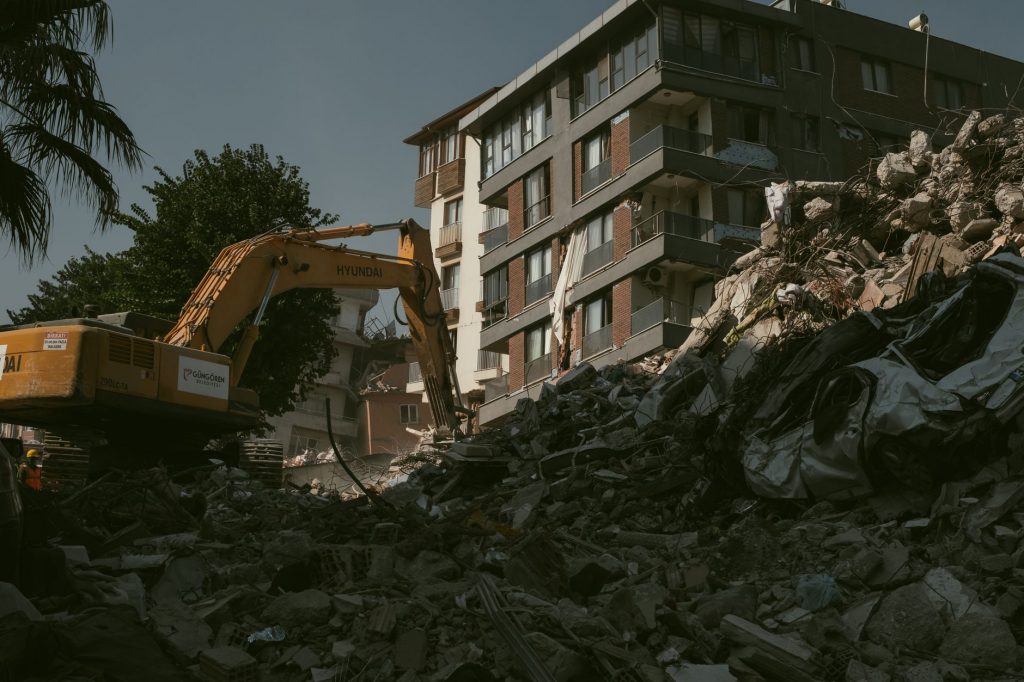
The impact of these earthquakes can be devastating, especially in regions with fragile infrastructure. In the past, many parts of North India have been affected by earthquakes in Afghanistan, and the damage has been significant. The region is home to many ancient monuments, historical buildings, and cultural heritage sites, which are vulnerable to earthquake damage.
So, the next time you feel the ground shaking under your feet in North India, remember that it’s not just a local earthquake, but a phenomenon that’s connected to the movement of tectonic plates and the geography of our region.
What Happens Next?
While we cannot prevent earthquakes from occurring, we can take steps to mitigate their impact. The government and local authorities can work together to implement earthquake-resistant construction techniques, conduct regular drills and awareness programs, and ensure that buildings and infrastructure are designed to withstand seismic activity.
Individuals can also play a crucial role by being prepared for earthquakes. This means having emergency kits ready, knowing evacuation routes, and staying informed about earthquake risk in your area. By being prepared and taking proactive steps, we can reduce the impact of earthquakes and minimize the risk of damage to life and property.
As we continue to navigate the complexities of seismic activity in our region, it’s essential to remember that preparedness is key. By working together and being aware of the risks, we can build a more resilient and earthquake-ready community in North India.