
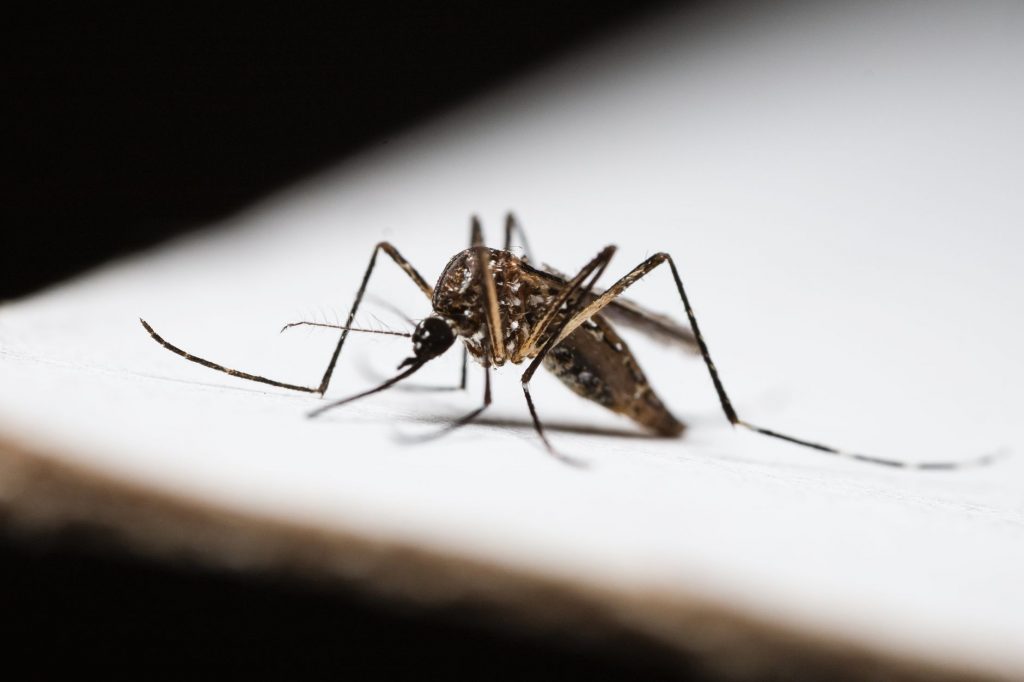
As Sri Lanka grapples with a severe dengue fever outbreak, the island nation has turned to an unlikely ally in the fight against the deadly disease: drones.
Dengue fever has been on the rise in Sri Lanka for months, with hospitals overwhelmed by the number of cases. The outbreak has been exacerbated by the country’s energy shortages, which have been ongoing since the Iran War.
The military has joined the battle against the insects, deploying drones equipped with insecticides to target mosquito breeding sites. The drones are part of a larger effort to control the mosquito population and prevent further outbreaks.
The use of drones is a first for Sri Lanka, but it’s not the first time the technology has been used to combat disease. In other parts of the world, drones have been used to deliver vaccines, monitor wildlife, and even track the spread of disease.
The Sri Lankan government is also taking steps to educate the public about the risks of dengue fever and the importance of taking preventative measures. This includes distributing mosquito nets, providing information on how to identify and report mosquito breeding sites, and promoting the use of insecticides.
What’s Behind the Outbreak?
The dengue fever outbreak in Sri Lanka is largely attributed to the country’s ongoing energy shortages. The shortages have led to power outages, which have in turn caused a decline in water treatment and waste management. This has created ideal breeding conditions for mosquitoes.
The energy shortages have also led to a rise in the number of mosquito breeding sites. The mosquitoes are attracted to the standing water left behind by power outages, which creates a perfect environment for them to breed.
The Sri Lankan government has been working to address the energy shortages, but it’s a complex issue that requires a long-term solution. In the meantime, the use of drones will continue to play a crucial role in the fight against dengue fever.
What’s Next for Sri Lanka?
The use of drones to combat dengue fever is just one part of Sri Lanka’s larger strategy to control the mosquito population and prevent further outbreaks. The government is also working to improve the country’s healthcare infrastructure, including increasing the number of beds in hospitals and providing more training for healthcare workers.
The Sri Lankan government has also established a task force to deal with the dengue fever outbreak. The task force is responsible for coordinating the government’s response to the outbreak, including deploying drones, distributing mosquito nets, and providing information to the public.
The task force has also been working with international organizations to get more assistance in controlling the dengue fever outbreak. This includes getting more mosquito nets, insecticides, and medical supplies to the affected areas.
The use of drones in the fight against dengue fever is a sign of the Sri Lankan government’s commitment to finding innovative solutions to complex problems. As the country continues to grapple with the outbreak, it’s clear that the use of drones will play a crucial role in the country’s recovery.
Why This Matters
The dengue fever outbreak in Sri Lanka is not just a local issue; it’s a global concern. Dengue fever is a highly infectious disease that can spread quickly, and it’s estimated that there are over 390 million cases worldwide each year.
The use of drones to combat dengue fever is a sign of the growing importance of technology in the fight against disease. As the world continues to grapple with the challenges of disease control, it’s clear that innovative solutions like drones will play a crucial role in the years to come.