
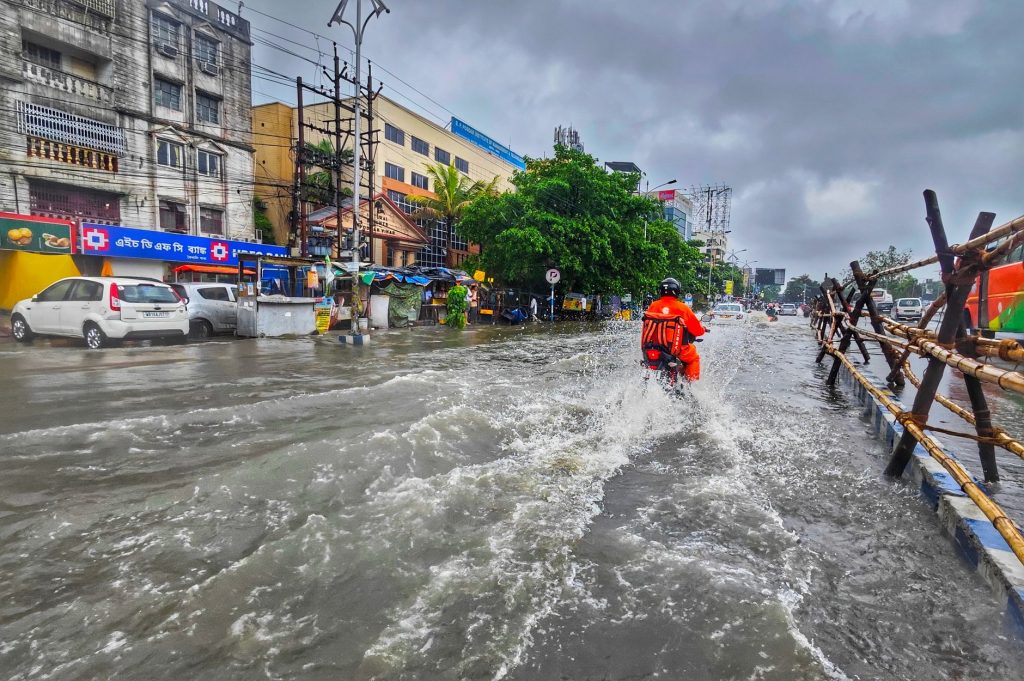
As the monsoon rains poured down on the parched fields of rural India, farmers and villagers alike felt a mix of relief and worry. The much-needed rain was a welcome respite from the scorching heat wave that had gripped the nation for weeks, but it also brought the threat of floods that could devastate entire communities.
The monsoon, which typically brings life-giving rains to India between June and September, has been late in arriving this year. But when it finally did, it made up for lost time, dumping heavy showers on vast swaths of the country. The resulting floods have already affected thousands of people, displacing them from their homes and ruining their crops.
Floods Loom Large, But Relief Efforts Are Underway
The situation is particularly dire in states like Maharashtra, Gujarat, and Madhya Pradesh, where the rains have caused widespread damage to homes, roads, and farmland. Emergency services are working around the clock to evacuate stranded people, provide food and shelter, and clear the flooded roads.
While the government has promised all necessary assistance to the affected areas, many are concerned about the long-term impact of these floods. ‘The monsoon rains are a blessing for us, but they also bring a lot of risks,’ said a farmer in Maharashtra. ‘We’re worried about the soil erosion, the crop damage, and the loss of livestock.’
Why This Matters – The Consequences of Climate Change
The monsoon floods are a stark reminder of the consequences of climate change, which is altering weather patterns and disrupting the delicate balance of nature. Rising temperatures, changing precipitation patterns, and increased frequency of extreme weather events are all linked to global warming, and India is no exception.
As the country struggles to cope with the aftermath of these floods, experts warn that the situation will only worsen unless drastic measures are taken to mitigate the effects of climate change. ‘We need to take a more proactive approach to adapting to the changing climate,’ said a leading climate scientist. ‘This means investing in climate-resilient infrastructure, promoting sustainable agriculture practices, and supporting climate change research and development.’
What Happens Next – A Call to Action
As the monsoon rains continue to pour down, India must come together to address the immediate needs of the affected communities. But it must also take a long-term view, recognizing that the climate crisis is a pressing concern that requires collective action.
The government, civil society, and individuals must all play a role in promoting sustainable practices, reducing carbon emissions, and supporting climate-resilient development. Only then can India build a more resilient future, one that is better equipped to withstand the challenges of a changing climate.
As the monsoon rains bring relief to parched fields, they also bring a wake-up call – a reminder that climate change is real, and it’s time for India to take action.