
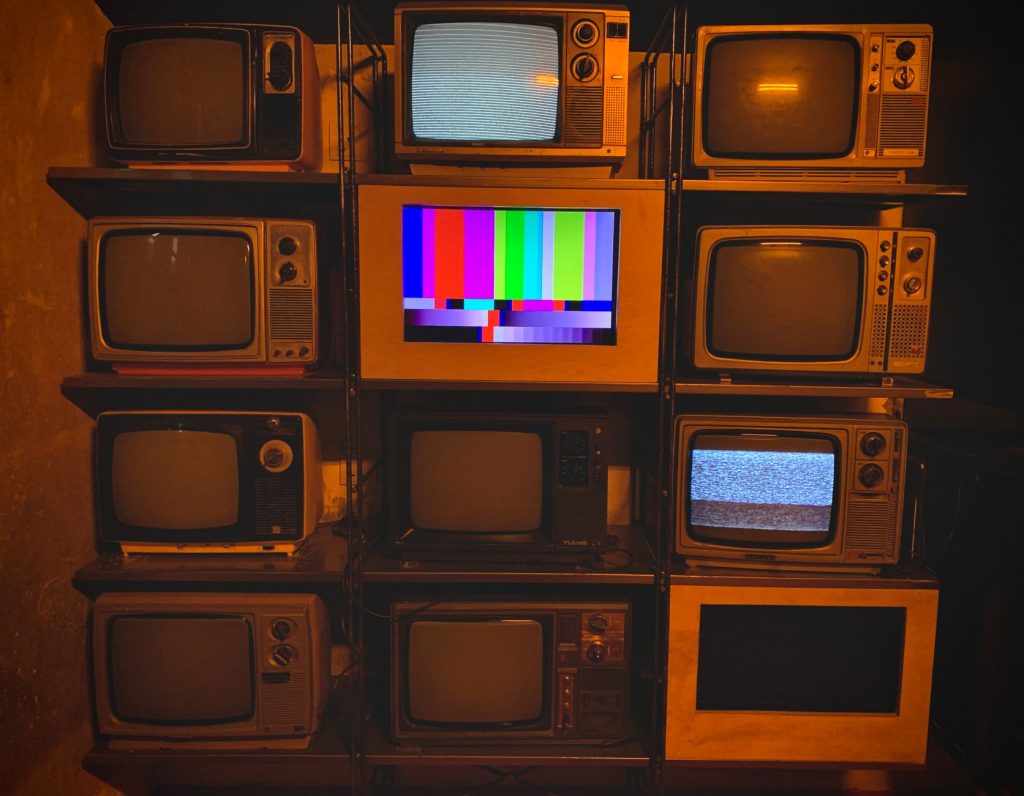
Have you ever scrolled through your cable TV channels and wondered what happened to the public access TV era? Many Indians remember the good old days of Doordarshan, where you could catch anything from cultural shows to comedy sketches. In a similar vein, New York City’s public access TV was once a hub for creativity and free expression in the 1970s and ’80s.
David Shadrack Smith, the director of the documentary ‘Public Access,’ takes us on a wild ride through the history of NY public access TV. This was a platform where anyone could air their show, regardless of their background or experience. As a result, you had a diverse range of content, from comedy sketches to music performances.
A Platform for Underdogs
What’s remarkable about NY public access TV is the way it democratized media. It was a platform where underdogs could showcase their talent, and in some cases, even achieve mainstream success. Many of these shows featured raw, unapologetic, and often provocative content that challenged the status quo.
One of the most fascinating aspects of NY public access TV is the way it reflected the city’s vibrant cultural landscape. You had shows that celebrated gay culture, showcased cutting-edge music, and even featured cameos by legendary artists like Mick Jagger and Keith Richards. Then, of course, there were the shows that pushed the boundaries of free expression, including a notorious nude talk show.
The Risks and Rewards
As David Shadrack Smith’s documentary reveals, NY public access TV was not without its risks. The platform was often plagued by controversy, with complaints about explicit content and concerns about the shows’ impact on society. However, for many of the creators, the rewards far outweighed the risks.
For them, public access TV was a chance to express themselves freely, without the constraints of commercial or mainstream media. It was a platform that allowed them to take risks, experiment with new ideas, and connect with their audience on a deeper level.
Lessons for India
So, what can we learn from the story of NY public access TV? For one, it shows that democratizing media can lead to a more vibrant and diverse cultural landscape. It also highlights the importance of free expression and the need for platforms that allow creators to take risks and push boundaries.
As India continues to grapple with issues of media regulation and censorship, the story of NY public access TV serves as a timely reminder of the importance of preserving creative freedom. It’s a lesson that can be applied to our own media landscape, where we need to strike a balance between regulation and free expression.
Ultimately, the story of NY public access TV is a testament to the power of creativity and the human spirit. It’s a reminder that, no matter where we come from or what our background is, we all have the capacity to create, express ourselves, and connect with others on a deeper level.
So, the next time you’re browsing through your cable channels or streaming services, remember the wild experiment that was NY public access TV. Who knows? You might just discover a new favorite show or artist, and that’s the true spirit of creativity and free expression.