
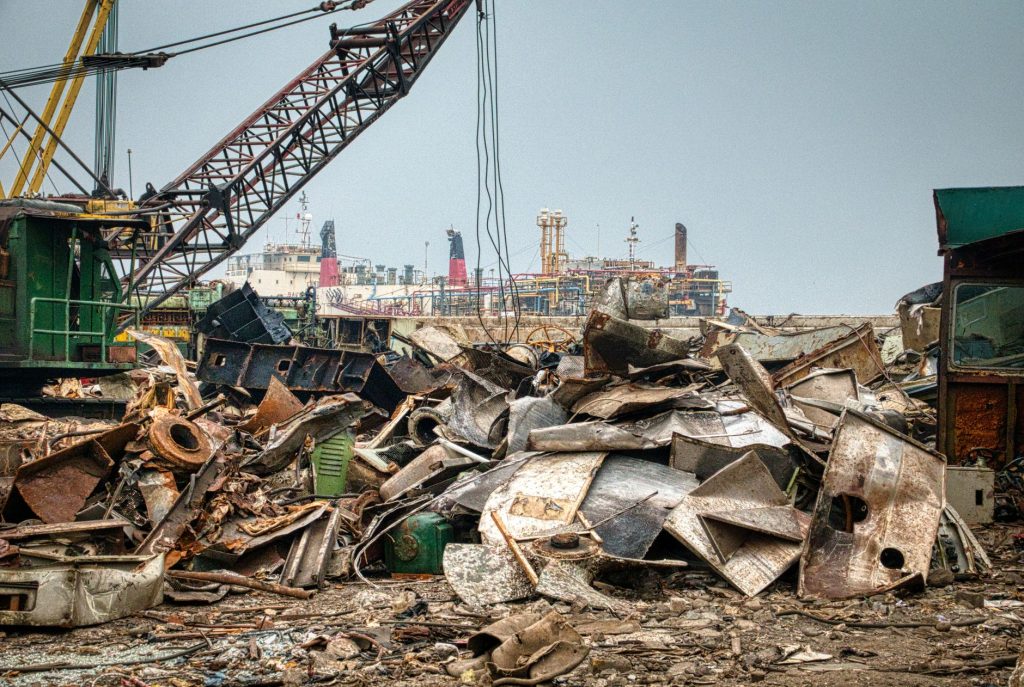
A major breakthrough in international cooperation is in the making as the European Union (EU) and India work together to expedite the inclusion of Indian ship recycling yards under the EU’s Ship Recycling Regulation.
According to Union Minister Sarbananda Sonowal, this move is expected to give Indian ship recycling yards the coveted global status they deserve, paving the way for increased business and revenue.
EU’s Stringent Ship Recycling Rules
The EU’s Ship Recycling Regulation, a set of stringent rules aimed at ensuring safe and environmentally friendly ship recycling practices, has been a benchmark for the global maritime industry.
However, Indian ship recycling yards, which have been a vital part of the country’s economy for decades, have long been seeking recognition under this regulation.
The delay in inclusion has been a major concern for Indian ship recyclers, who have been finding it increasingly difficult to compete with foreign yards that are already certified under the EU’s rules.
Breaking Down Barriers
Union Minister Sonowal’s statement suggests that the EU and India are working closely to break down the barriers that have been hindering the inclusion of Indian ship recycling yards under the EU’s regulation.
This move is seen as a significant step forward in promoting India-EU cooperation in the maritime sector, which has the potential to create thousands of jobs and stimulate economic growth.
The Indian government has been actively pursuing its maritime agenda, with a focus on promoting domestic shipbuilding and recycling industries.
The inclusion of Indian ship recycling yards under the EU’s regulation is expected to be a major achievement in this regard, opening up new export opportunities and increasing India’s global influence in the maritime sector.
What This Means for Indians
For Indians, this development means a significant boost to the country’s economy, particularly in the western coast where most of the ship recycling yards are located.
With the EU’s recognition, Indian ship recyclers can expect a surge in demand for their services, leading to increased business and revenue.
This, in turn, is expected to create thousands of jobs, both directly and indirectly, in the ship recycling sector, contributing to India’s growth story.
Moreover, the inclusion of Indian ship recycling yards under the EU’s regulation is also expected to lead to increased investment in the sector, with foreign investors looking to tap into India’s growing maritime market.
This is a significant development for India, marking a major breakthrough in its maritime cooperation with the EU.