
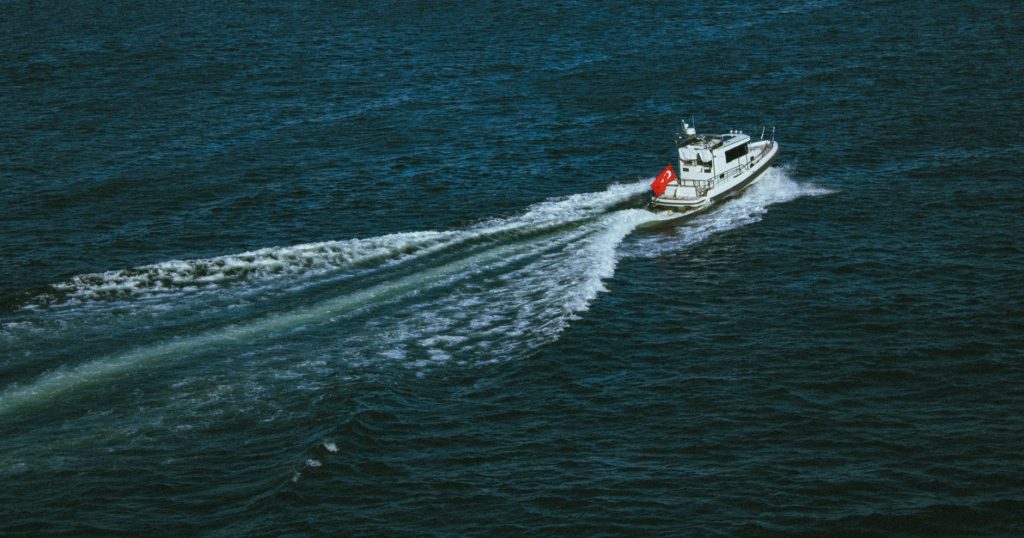
The Hormuz Strait, a critical waterway connecting the Middle East to Asia, has defied rising tensions between rival nations and global security concerns.
Recent reports suggest that the Strait has continued to operate without significant disruptions, despite heightened security measures and disagreements over navigation routes.
Tactical Pragmatism Trumps Diplomatic Tensions
The Strait’s continued functionality can be attributed to a pragmatic approach taken by regional players, who have chosen to prioritize economic interests over diplomatic standoffs.
This is a remarkable feat, given the complex web of alliances and rivalries in the region, which often makes it challenging to find common ground.
Experts point out that the continued flow of oil and natural gas through the Strait has helped to maintain a delicate balance of power in the region, preventing any single nation from gaining a decisive advantage.
This has, in turn, allowed nations to maintain their positions and avoid compromising on sensitive issues.
Global Economic Interests at Stake
The Hormuz Strait plays a crucial role in the global economy, with over 20% of the world’s oil and 25% of its natural gas passing through it.
The continued flow of these vital resources has helped to keep energy prices stable and has a direct impact on the economies of nations like India, China, and Japan, which are heavily reliant on imported oil.
As global economic interests converge at the Hormuz Strait, nations are being forced to re-evaluate their priorities and find ways to mitigate the risks associated with navigating this critical waterway.
This has led to increased cooperation between nations, with some even considering the establishment of a joint security framework to ensure the safe passage of ships through the Strait.
A Delicate Balance of Power
The continued operation of the Hormuz Strait is a testament to the complex and often contradictory nature of international relations.
Nations are constantly walking a tightrope between their economic interests and their security concerns, as they strive to maintain a delicate balance of power in the region.
This balance is further complicated by the presence of powerful nations like the United States, China, and Russia, which have significant interests in the region and are not afraid to use their influence to protect their economic and strategic interests.
As tensions continue to rise in the region, it remains to be seen whether the Hormuz Strait can continue to operate without significant disruptions.
One thing is certain, however – the fate of the Strait will have far-reaching implications for the global economy and international relations.