
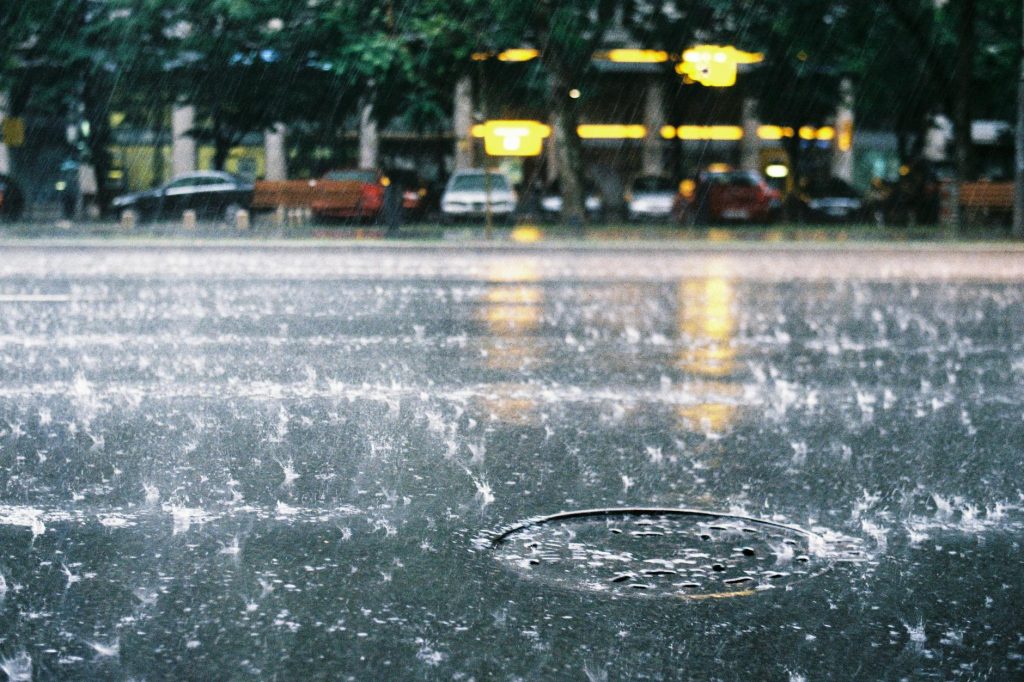
If you’re planning to step out in Rajasthan over the next few days, you might want to keep an umbrella handy. The state is gearing up for some serious weather action, with meteorologists warning of heavy rainfall and hailstorms across a dozen districts.
Jaipur, Baran, and Jhalawar are already seeing thick cloud cover, and forecasters expect the situation to intensify. This isn’t just a passing shower – authorities have issued formal alerts across affected areas, urging residents and farmers to stay prepared.
What’s causing this weather system?
A western disturbance – basically a weather system moving in from the western side of India – is the main culprit here. These disturbances often bring moisture-laden winds that collide with local weather patterns, creating conditions perfect for heavy downpours and hail.
For Rajasthan, which often struggles with water scarcity, this could actually be good news for farmers and reservoirs. However, the intensity of the rainfall and hail poses risks too. Heavy hail can damage crops and property, while sudden heavy rains can lead to waterlogging in low-lying areas.
Why should you care right now?
If you live or work in districts like Jaipur, Baran, or Jhalawar, this alert is directly relevant. Schools and offices might face disruptions. Farmers in these regions should secure their crops and livestock. Those commuting should check weather updates before heading out.
Beyond the immediate 12 districts, nearby areas might also experience spillover effects, so it’s wise to keep tabs on local weather forecasts regardless of where you are in Rajasthan.
The meteorological department has advised people to avoid unnecessary travel during peak rainfall hours. If you’re driving, reduce speed and use headlights. Avoid parking under trees or in open areas where hail could cause damage.
This kind of alert system exists precisely because these weather events can catch people off guard. Rajasthan sees extreme weather swings – from scorching heat to sudden storms – and being prepared makes all the difference between a minor inconvenience and a real crisis.
Weather systems like this typically last 24-48 hours, so by the middle of the week, conditions should stabilize. Until then, stay weather-aware and check official updates from your local administration. If you’re a farmer, this could be an opportunity to benefit from natural irrigation – but only if you take precautions against hail damage first.