
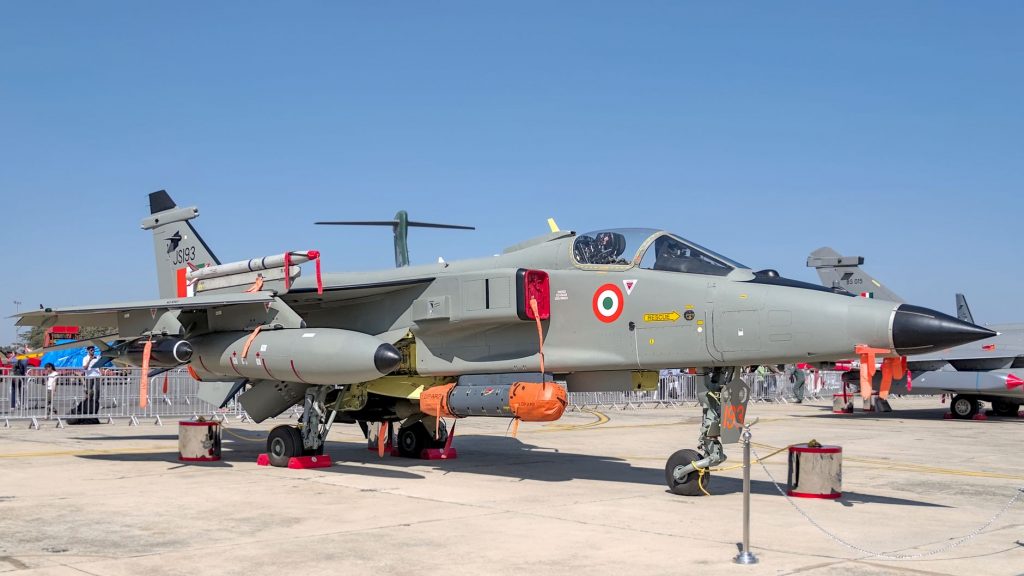
What is India’s defence budget, and what does it include? The government recently announced a record defence budget of Rs 52,000 crore. But what exactly does this budget cover? In this article, we’ll break down the key components and explore what this means for India’s national security.
Kamikaze Drones: The Game-Changer in India’s Defence Strategy
The Indian defence budget has been increasing steadily over the years, and the latest allocation is a significant jump from last year’s budget. One of the key areas of focus in this budget is the development and procurement of kamikaze drones. These drones are designed to be expendable, equipped with anti-tank missiles or explosive payloads, and can be used to target enemy tanks or fortifications. This technology has the potential to revolutionize modern warfare, offering a cost-effective and highly effective way to neutralize enemy assets.
The Indian armed forces have been actively exploring the use of unmanned aerial vehicles (UAVs) for various purposes, including reconnaissance, surveillance, and combat. The kamikaze drone is a natural evolution of this technology, offering a high degree of precision and flexibility. With the increasing threat of terrorism and cross-border attacks, the Indian military is looking to bolster its capabilities in this area.
Anti-Tank Weapons: A Boost to India’s Defence Capabilities
Another key component of India’s defence budget is the procurement of anti-tank weapons. These weapons are designed to neutralize enemy tanks and fortifications, offering a significant boost to India’s defence capabilities. The Indian military has been using anti-tank missiles for several years now, but the latest allocation will see a significant increase in the number of these weapons. This will enable the Indian forces to operate more effectively in combat situations, particularly in the wake of cross-border attacks.
The anti-tank missile systems will be used to augment the Indian Army’s existing capabilities, allowing it to take on a more robust and effective role in defending the country’s borders. The new allocation will also see an increase in the number of artillery guns and howitzers, which will further enhance the Indian military’s firepower.
What Does This Mean for India’s National Security?
India’s record defence budget is a significant step towards bolstering the country’s national security. The inclusion of kamikaze drones and anti-tank weapons is a clear indication of the government’s commitment to enhancing the country’s defence capabilities. The Indian military will be better equipped to handle a range of threats, from terrorism to cross-border attacks.
While the budget allocation is significant, it’s essential to note that the Indian military still faces several challenges, including the modernization of its assets and the development of new technologies. However, the latest allocation is a positive step towards addressing these challenges and enhancing India’s national security.
What Happens Next?
The Indian government will now focus on implementing the various components of the defence budget. This will involve the procurement of new assets, the development of new technologies, and the modernization of existing assets. The Indian military will also be working closely with the government to ensure that the budget allocation is utilized effectively and efficiently.
The next few months will be crucial in determining the impact of India’s record defence budget. As the country continues to navigate the complexities of modern warfare, it’s essential that the government remains committed to enhancing the country’s national security. With the inclusion of kamikaze drones and anti-tank weapons, India is taking a significant step towards achieving this goal.