
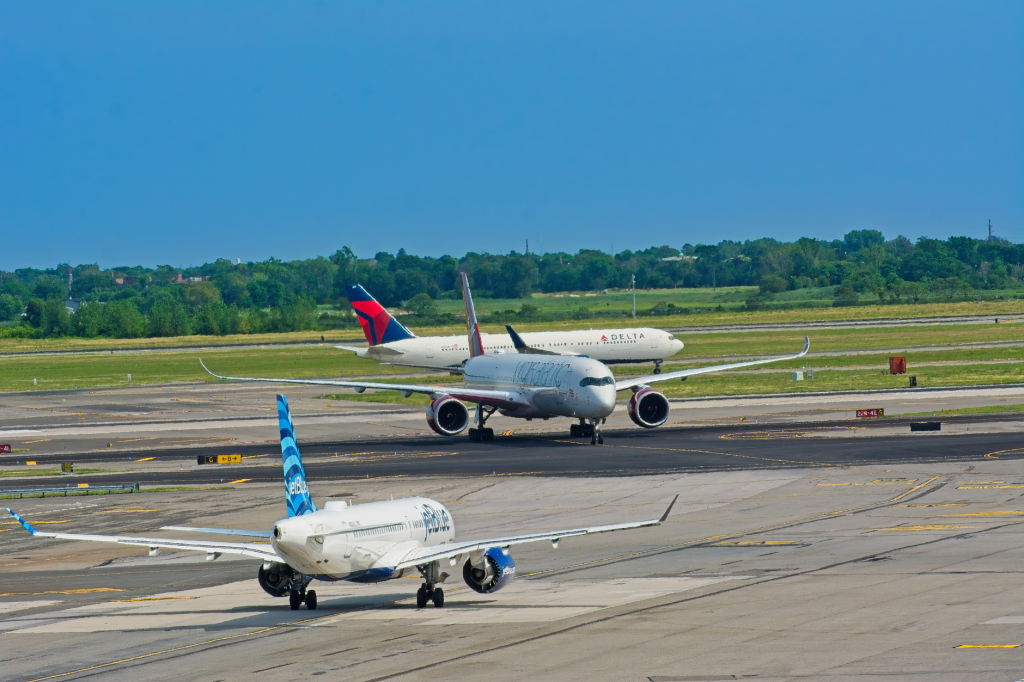
Chicago’s O’Hare International Airport, one of the busiest airports in the world, has been thrown into chaos as multiple airlines suspended and grounded numerous flights, severely disrupting travel plans for thousands of passengers. The sudden move by United Airlines, SkyWest, and American Airlines to suspend 91 flights and face operational setbacks for 104 more has sent shockwaves across the travel industry, affecting journeys not only in Chicago but also in major cities like New York and Los Angeles.
The reason behind this massive disruption is still unclear, but it is believed that a combination of factors, including technical issues, staffing problems, and adverse weather conditions, may have contributed to this situation. Whatever the reason, the impact on travelers is undeniable, with many facing long delays, cancellations, and last-minute changes to their flight schedules. For Indians traveling to or from the United States, this development is particularly significant, as many rely on these airlines for their journeys.
Impact on Travelers
The suspension and grounding of flights have left travelers stranded, frustrated, and worried about their onward journeys. Many have expressed their disappointment and anger on social media, sharing their experiences and seeking help from the airlines. The situation is especially dire for those who have connecting flights or are traveling for urgent purposes, such as business meetings or family emergencies. With the lack of clarity on when the flights will resume, passengers are forced to make alternative arrangements, often at significant additional cost and inconvenience.
For Indian travelers, the situation is further complicated by the fact that many of them may not be familiar with the local customs, language, and regulations in the United States. The added stress of dealing with flight disruptions can be overwhelming, especially for those who are not accustomed to traveling abroad. In such situations, the role of airlines and airport authorities becomes even more critical, as they need to provide timely assistance, support, and communication to affected passengers.
Airline Response and Next Steps
In response to the crisis, the affected airlines have issued statements apologizing for the inconvenience and promising to do their best to minimize the disruption. They have also set up dedicated teams to assist passengers and provide updates on the status of their flights. While these efforts are welcome, much more needs to be done to restore normalcy and prevent such situations in the future. The airlines must conduct a thorough review of their operations, identify the root causes of the problem, and take corrective measures to prevent similar disruptions.
In the short term, passengers can expect continued disruptions, and it is essential for them to stay informed and plan accordingly. The airlines and airport authorities must work together to provide clear and timely communication, ensuring that travelers are aware of the latest developments and can make informed decisions about their journeys. As the situation unfolds, it is crucial for all stakeholders to prioritize the safety and well-being of passengers, while also taking steps to prevent such disruptions in the future.
Long-term Implications
The current crisis at Chicago’s O’Hare International Airport has significant long-term implications for the travel industry, airlines, and passengers. It highlights the need for greater investment in infrastructure, technology, and staffing to prevent such disruptions. The airlines must also review their business models, ensuring that they can respond effectively to unexpected events and minimize the impact on passengers. For Indian travelers, this incident serves as a reminder of the importance of being prepared, flexible, and informed when traveling abroad, especially in countries with complex aviation systems like the United States.
As the situation returns to normal, it is essential for all stakeholders to learn from this experience and work towards creating a more resilient and passenger-centric travel ecosystem. By doing so, we can minimize the risk of such disruptions in the future and ensure that air travel remains a safe, efficient, and enjoyable experience for all. With the Indian aviation market growing rapidly, it is crucial for our airlines and airports to take note of these developments and prepare themselves to handle similar situations, should they arise in the future.