
Labour of Love or Politically Motivated?
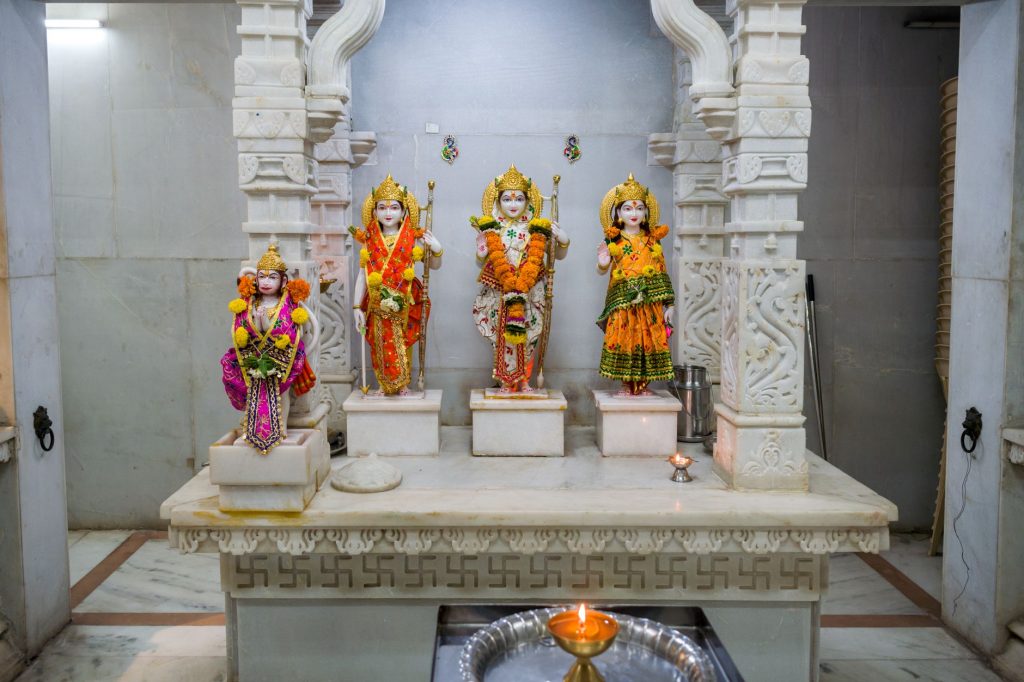
Imagine walking past a beautiful temple in your neighbourhood and seeing a stunning statue of Lord Ram. It’s a moment of peace and devotion for many Indians. But what if you found out that the statue had been a gift from a former government official, and it was displayed for months before being quietly removed? This is the story of an ex-bureaucrat who has come out to defend his gift to the Ram Temple in Ayodhya, saying it was a labour of love, not a politically motivated move.
According to sources, the ex-bureaucrat had gifted a beautiful statue of Lord Ram to the temple in Ayodhya, which is considered one of the most sacred cities in Hinduism. The statue was displayed prominently in the temple complex, and many devotees were seen offering prayers and taking selfies with it.
However, after a few months, the statue was quietly removed from the temple complex, and no official explanation was given. The move sparked speculation among locals and devotees, with many wondering if it was a politically motivated decision.
Now, the ex-bureaucrat has come out to defend his gift, saying it was a labour of love and not a politically motivated move. In an interview with NDTV, he said that he had gifted the statue to the temple as a gesture of devotion and respect for Lord Ram. He also said that he had not asked for any recognition or publicity for his gift.
When asked about the sudden removal of the statue, the ex-bureaucrat said that he had no knowledge of it being removed. He also said that he was not aware of any controversy surrounding the statue, and that he had not received any complaints from devotees.
Expert Context: Politics and Religion in India
India is a country where politics and religion often intersect. The Ram Temple in Ayodhya is a highly sensitive issue, with many Hindus considering it a symbol of their faith and culture. Any move that affects the temple or its surroundings is likely to spark controversy and speculation.
Experts say that the removal of the statue was likely a result of the sensitivity surrounding the Ram Temple issue. They also say that the ex-bureaucrat’s gift was likely seen as a politically motivated move, given the current political climate in India.
However, the ex-bureaucrat’s defence of his gift suggests that he was genuinely motivated by his devotion to Lord Ram and not by any political considerations. His story highlights the complexities of politics and religion in India, and the need for sensitivity and understanding in such matters.
The removal of the statue has also raised questions about the role of government officials in matters of faith and culture. Is it acceptable for government officials to gift statues or other items to temples or other places of worship? What are the implications of such gifts, and how do they affect the community?
These are questions that need to be answered, and the ex-bureaucrat’s story provides a timely reminder of the need for sensitivity and understanding in matters of faith and culture.
What’s Next?
The controversy surrounding the statue has died down for now, but the issue is unlikely to go away. The ex-bureaucrat’s gift has sparked a wider debate about the role of government officials in matters of faith and culture, and the implications of such gifts for the community.
As India continues to grapple with the complexities of politics and religion, the story of the ex-bureaucrat’s gift serves as a reminder of the need for sensitivity and understanding. It also highlights the importance of transparency and accountability in government dealings, particularly when it comes to matters of faith and culture.