
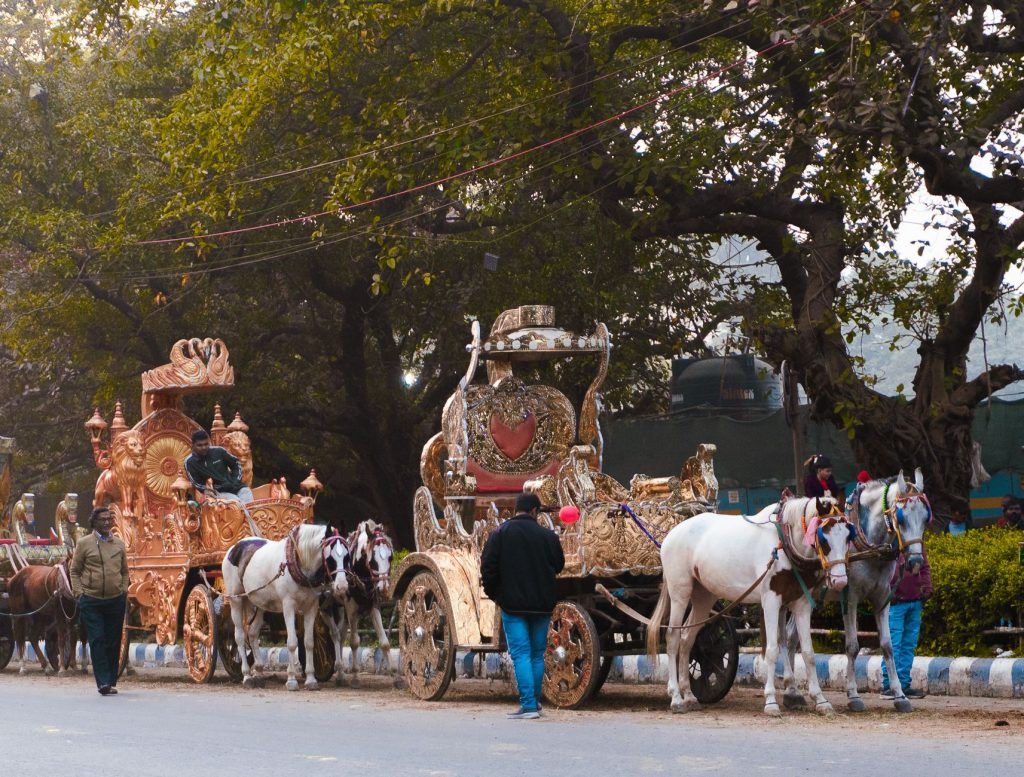
Animal welfare activists are taking a strong stance against horse cruelty in Kolkata, where three new First Information Reports (FIRs) have been filed against people involved in horse abuse. This move comes in the wake of an Indian teenager’s tragic death in New York City, who was killed by a horse-drawn carriage.
Recently in Kolkata, three FIRs have been registered under the Prevention of Cruelty to Animals Act, 1960, and the Indian Penal Code for allegedly causing harm to horses. The cases are being investigated, and the accused are yet to be arrested.
Horse Cruelty on the Rise in Kolkata
Horse-drawn cabs, also known as tongas, have been a common sight on Kolkata’s streets for decades. However, the rising number of FIRs suggests that these horses are often mistreated and overworked. According to animal activists, the poor condition of these horses is a result of the unregulated horse carriage industry in the city.
The lack of proper supervision and enforcement of animal welfare laws has led to exploitation of these magnificent creatures. Many horses are forced to work for long hours in harsh weather conditions, without adequate food, water, or shelter. This is a clear violation of the Animal Welfare Board of India’s guidelines, which mandate regular rest periods, proper feeding, and veterinary care for working animals.
PETA India’s Appeal to the Chief Minister
PETA India has written to the Chief Minister of West Bengal, Mamata Banerjee, urging her to ban horse-drawn cabs in Kolkata. The animal rights organization has been advocating for the welfare of horses for years and considers the Kolkata horse carriage industry to be one of the most neglected and brutal.
PETA India is calling for a complete ban on horse-drawn cabs, citing the risk to human life and the cruel treatment of horses. They argue that electric and battery-run vehicles are a more humane and safer alternative, providing employment opportunities for drivers while ensuring the welfare of horses.
Why This Matters for Indians
This issue is not just about animal welfare but also about public safety. Horses are unpredictable and can cause harm to people, especially in crowded cities like Kolkata. Moreover, the Kolkata Metropolitan Development Authority (KMDA) has already announced plans to phase out horse-drawn cabs in favor of electric vehicles.
However, a complete ban on horse-drawn cabs requires the support of the state government and the enforcement of strict laws. PETA India’s appeal to the Chief Minister is a step in the right direction, but it remains to be seen whether the government will take concrete action to address this issue.
In the meantime, citizens can play a crucial role by reporting instances of horse cruelty and supporting organizations that work towards animal welfare. By working together, we can create a safer and more compassionate society for both humans and animals.