
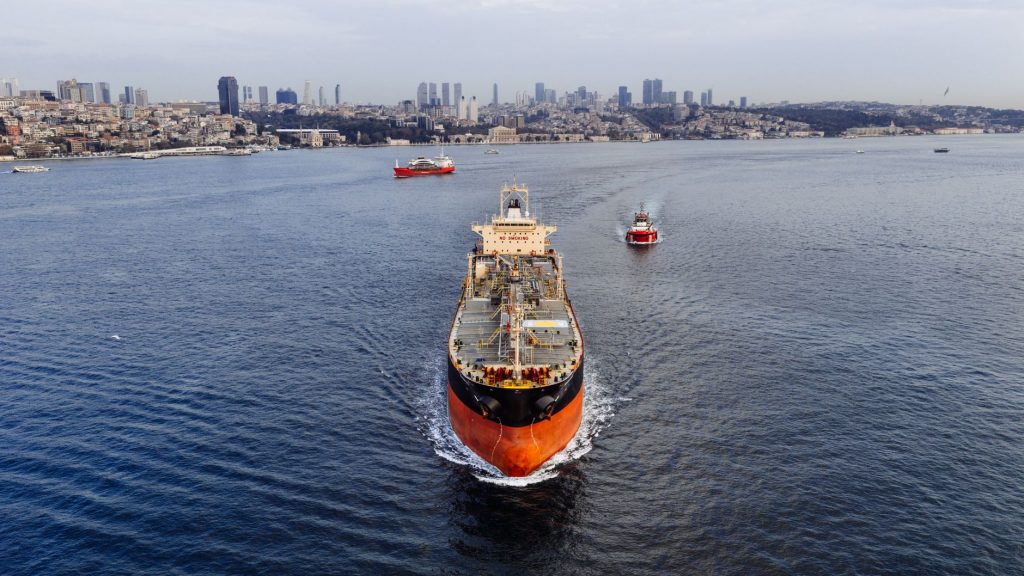
Are Iran’s actions in the Strait of Hormuz putting global oil supplies at risk?
India, a major oil importer, is closely watching the situation. The Strait of Hormuz, a critical waterway connecting the Persian Gulf to the Gulf of Oman, is a key route for oil tankers. Any disruption here can have far-reaching consequences.
The latest escalation began with a series of attacks on oil tankers in the region. Iran has been accused of orchestrating these attacks, which have raised tensions between the US and Iran. The US has long been critical of Iran’s nuclear program and its influence in the region.
The Truce That Failed
The US and Iran had been engaged in a fragile truce for months. This truce was meant to ease tensions and prevent further conflict. However, recent attacks on oil tankers have put this truce under severe strain. The US has accused Iran of violating this truce by continuing to target oil tankers in the region.
The US has launched retaliatory strikes against Iranian targets in response to these attacks. These strikes are part of a broader effort to deter Iran from further aggression. The US has also increased its military presence in the region to prevent any further escalation.
The situation in the Strait of Hormuz is complex and multifaceted. The region is home to several oil-rich countries, including Iran, Saudi Arabia, and the UAE. These countries rely heavily on oil exports, which makes the Strait of Hormuz a critical artery for global oil supplies.
Why India Should Care
India is one of the world’s largest oil importers, and over 80% of its oil imports pass through the Strait of Hormuz. Any disruption to oil supplies can have significant economic implications for India. The country relies heavily on oil imports to fuel its economy and power its industries.
India has been closely monitoring the situation in the Strait of Hormuz and has urged both the US and Iran to exercise restraint. India’s foreign ministry has stated that the country is committed to maintaining peace and stability in the region.
The situation in the Strait of Hormuz is a stark reminder of the complexities of global politics. The region is a hotbed of tensions, with several countries vying for influence and power. The US and Iran are just two of the many players in this complex game.
What’s Next?
The situation in the Strait of Hormuz is likely to remain volatile in the coming days. The US and Iran are engaged in a high-stakes game of cat and mouse, with both sides jockeying for position. The global community is watching this situation closely, and any further escalation can have far-reaching consequences.
India will continue to monitor the situation closely and will take necessary steps to ensure the safety of its oil imports. The country’s foreign ministry has stated that it will work with other countries to prevent any further escalation.
The situation in the Strait of Hormuz serves as a stark reminder of the importance of diplomacy and dialogue in preventing conflict. The global community must come together to prevent further escalation and promote peace and stability in the region.