
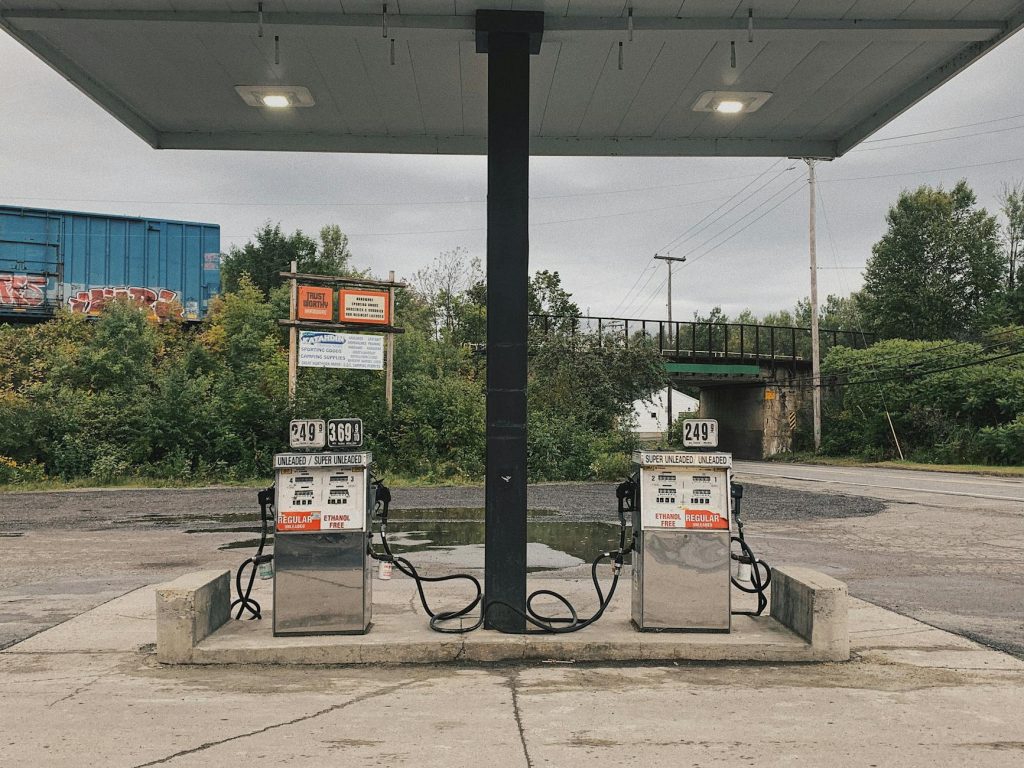
Picture this: you’re stuck in Chennai traffic, watching the petrol pump numbers climb faster than your frustration. Now imagine that scenario repeating across your electricity bill, cooking gas costs, and transport expenses. That’s the reality heading our way, and city officials are sounding the alarm.
Fuel prices are expected to spike in the coming weeks, driven by global oil market pressures and supply chain disruptions. The impact won’t just hit your car’s tank—it’ll ripple through everything from bus fares to your monthly power bill.
Why Chennai needs to act now
The Chennai Metropolitan Water Supply and Sewerage Board, along with municipal authorities, is urging residents to adopt energy-saving habits before prices jump. The message is clear: small changes today can save big money tomorrow.
Energy conservation isn’t just about cutting costs. It reduces strain on the city’s power grid during peak hours and helps us stay ahead of shortages. When fuel becomes expensive, electricity generation costs rise too—and that gets passed to consumers.
Simple moves that actually work
You don’t need to overhaul your life. Experts suggest straightforward steps: use LED bulbs instead of incandescent ones, switch off fans and lights when leaving a room, and avoid peak-hour cooking when possible. If you drive, carpooling and using public transport on some days adds up quickly.
Even small habits matter. Turning off your water heater when not in use, servicing your AC regularly, and keeping your fridge away from walls—these tweaks reduce consumption without sacrificing comfort.
For those with two-wheelers, maintaining proper tyre pressure and regular servicing improves fuel efficiency by 10-15%. It sounds minor, but when prices are rising, every kilometer counts.
City planners are also pushing for infrastructure changes. More bus routes, better cycling lanes, and encouraging work-from-home policies can reduce commute-related fuel consumption across the board.
What’s at stake
If prices rise as expected, a family spending ₹5,000 monthly on fuel and energy could see bills climb to ₹5,500 or beyond. For those already managing tight budgets, that’s significant.
The government hasn’t announced specific price hikes yet, but global crude prices have been volatile. Energy experts warn that delaying conservation efforts only makes the eventual adjustment harder for households and businesses alike.
The silver lining? Energy-saving habits benefit you regardless of what fuel prices do. Lower bills, reduced carbon footprint, and less dependence on external supply shocks—these are wins either way.
As Chennai braces for potential price movements, the time to build efficient routines isn’t tomorrow—it’s today. Small actions now could shield your wallet from the next wave of inflation.