
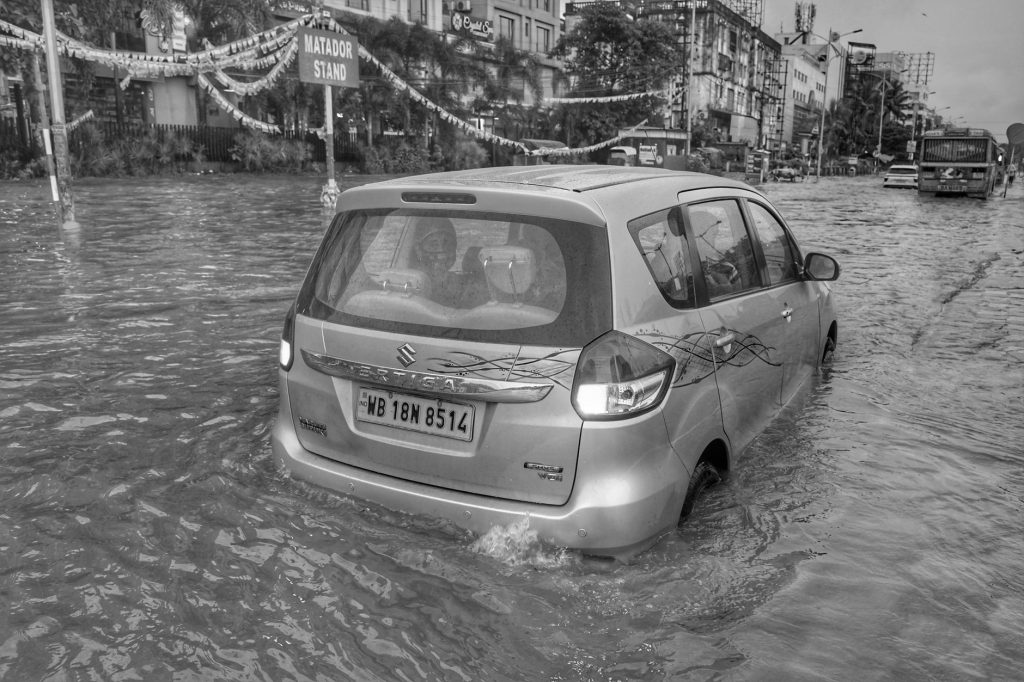
Heavy rainfall in parts of India has stopped, but misery still grips many areas. The sudden halt in rain has exposed the poor state of preparedness and infrastructure in the country’s flood-prone regions.
The situation is dire in several states, including Assam, Meghalaya, and Bihar, where thousands of people are still stranded due to flooded rivers and overflowing dams. The Indian Air Force has launched a massive rescue operation, but it’s taking time to reach all affected areas.
According to official reports, over 150,000 people have been affected by the recent floods, with more than 50,000 forced to take shelter in relief camps. The government has promised to provide aid, but the pace of relief efforts has been slow, leaving many worried about their future.
What Went Wrong?
The sudden halt in rain has thrown the government and relief agencies off guard, exposing the lack of preparedness and coordination in the face of natural disasters. The situation is further complicated by the fact that many relief camps are located in low-lying areas, which are now waterlogged and inaccessible. The lack of basic amenities, such as food, water, and medical care, is taking a toll on the health and morale of those affected.
The government has come under criticism for its response to the crisis, with many accusing it of being slow and inadequate. The opposition parties have demanded a thorough inquiry into the government’s handling of the situation, citing the lack of preparedness and the failure to provide timely relief to those affected. The government, on the other hand, has defended its efforts, saying that it is doing everything possible to assist the affected people.
What Does This Mean for Indians?
The flooding in India is a stark reminder of the country’s vulnerability to natural disasters. The situation highlights the need for better preparedness and infrastructure in flood-prone areas. It also raises questions about the government’s ability to respond to emergencies and provide timely relief to those affected.
As India continues to grapple with the aftermath of the floods, it’s clear that the government needs to take a more proactive approach to disaster management. This includes investing in flood-control measures, improving emergency preparedness, and providing timely relief to those affected. Only then can India reduce the risk of such disasters and provide timely assistance to those in need.