
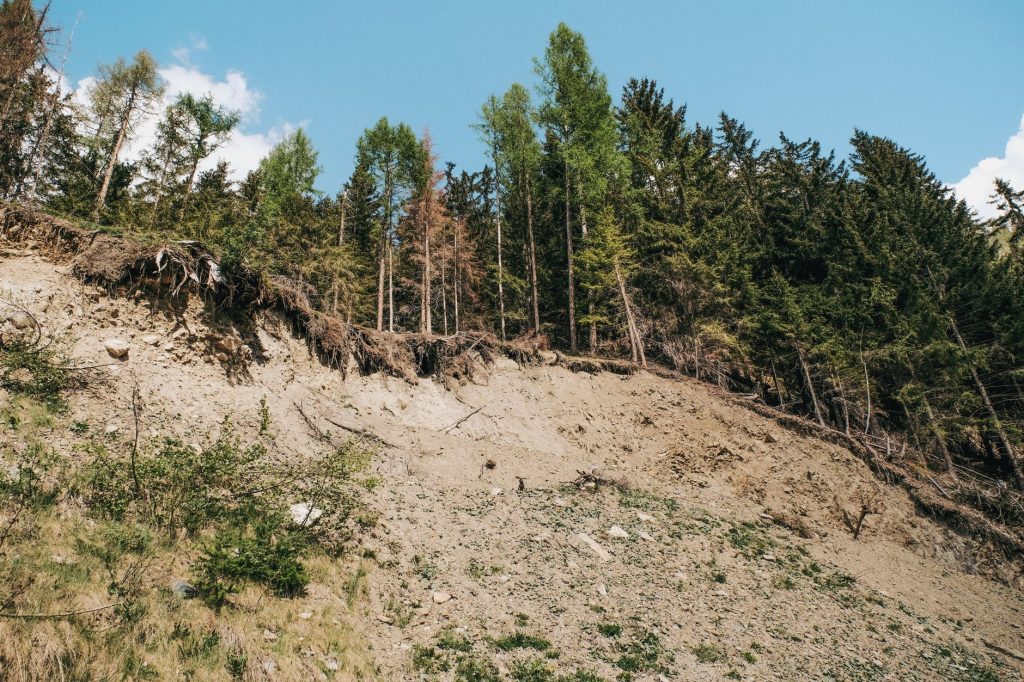
Are many Indian districts exposed to landslide hazards like Wayanad?
Wayanad district in Kerala has made headlines recently due to the devastating landslides that have left many dead and injured. But what’s alarming is the fact that several other districts in the country share similar exposure to landslide hazards. In this article, we’ll delve into the reasons behind these landslides and explore the districts that are most vulnerable.
Landslides in Wayanad and other parts of India are often triggered by heavy rainfall, which can cause soil erosion and landslides. The Western Ghats, which stretch across several states including Kerala, Maharashtra, and Gujarat, are particularly prone to landslides due to their rugged terrain and heavy rainfall during the monsoon season. The region’s geology also plays a significant role, with many areas having unstable soil and rock formations that can be easily destabilized by heavy rainfall.
The Geography of Landslide Prone Areas
Wayanad’s geography is a perfect recipe for landslides. The district is located in the Western Ghats mountain range, where the terrain is rugged and steep. The area is also home to several rivers, including the Kabini River, which flows through the district and can cause flash flooding during heavy rainfall. The region’s geology is characterized by volcanic and sedimentary rocks, which can be easily eroded by heavy rainfall, leading to landslides.
Other districts in India that are prone to landslides include Idukki in Kerala, which is known for its rugged terrain and heavy rainfall during the monsoon season. The district is home to several waterfalls, including the famous Munnar waterfalls, which can cause flash flooding during heavy rainfall. In Maharashtra, the district of Ratnagiri is also prone to landslides due to its rugged terrain and heavy rainfall during the monsoon season. The district is home to several waterfalls, including the famous Ratnagiri waterfalls, which can cause flash flooding during heavy rainfall.
The Human Factor Behind Landslides
While geography and geology play a significant role in landslides, human activities also contribute to these natural disasters. Deforestation, construction of buildings and roads, and mining activities can all lead to landslides by destabilizing the soil and rock formations. In Wayanad, for example, deforestation has led to soil erosion, which has increased the risk of landslides. Similarly, in Idukki, the construction of buildings and roads has led to soil erosion, which has increased the risk of landslides.
To mitigate the risk of landslides, the government has implemented several measures, including the creation of a national landslide risk assessment framework. The framework aims to identify districts that are prone to landslides and provide support to these districts to mitigate the risk. The government has also implemented several laws to regulate human activities that contribute to landslides, including the Forest Conservation Act and the Environment Protection Act.
What’s Next?
The recent landslides in Wayanad and other parts of India are a wake-up call for the country. It’s essential to take immediate action to mitigate the risk of landslides and protect the lives of people living in landslide-prone areas. The government must work closely with local communities to identify areas that are prone to landslides and provide support to these areas to mitigate the risk. By working together, we can reduce the risk of landslides and ensure that people living in these areas are safe and secure.
The recent landslides in Wayanad and other parts of India are a stark reminder of the importance of land conservation and sustainable development. By adopting sustainable practices and reducing our carbon footprint, we can reduce the risk of landslides and protect the environment. It’s time for Indians to take action and mitigate the risk of landslides and protect the lives of people living in these areas.