
Ever wondered when the air became a battlefield in World War II? Well, history buffs, mark your calendars for July 10th! That’s the day the skies over Britain erupted in what we now know as the epic Battle of Britain.
The War Comes to the Skies
So, what exactly was this ‘Battle of Britain’? Imagine this: it was a massive aerial campaign launched by Nazi Germany’s air force, the Luftwaffe, against the United Kingdom. Their goal? To gain control of the skies, paving the way for a planned invasion of Britain. It wasn’t just a few planes dogfighting; this was a sustained, strategic effort that lasted for months, from the summer of 1940 right through to the autumn.
Why Was This So Important?
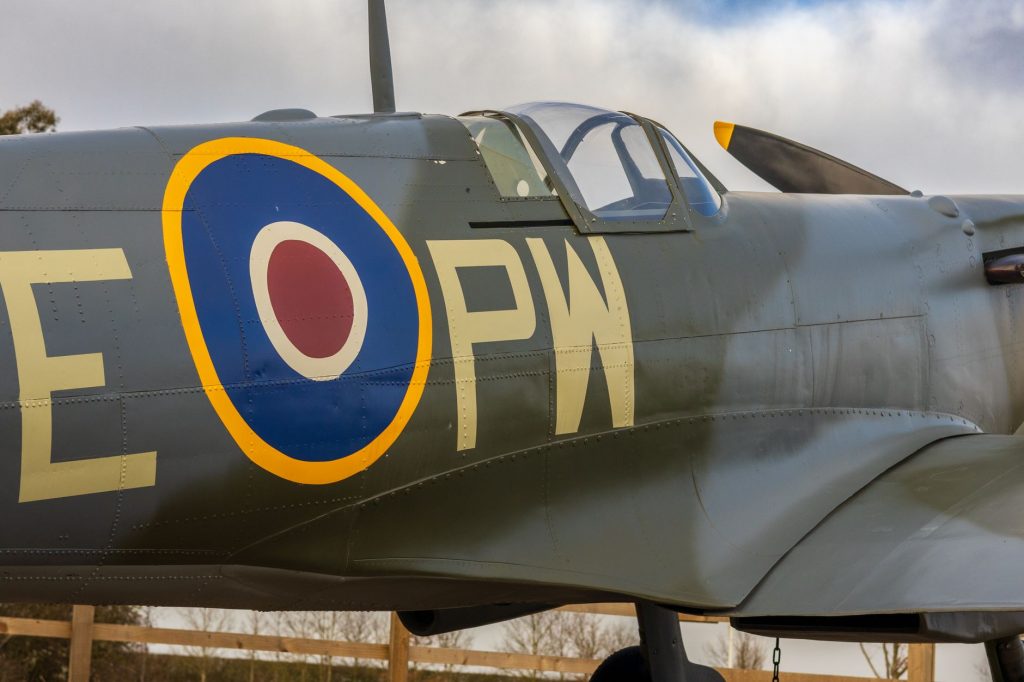
This battle was absolutely crucial for the Allies. If Germany had succeeded in dominating the air, it would have been a huge step towards conquering Britain. Think about it – no air cover meant the Royal Navy would be vulnerable to attack, and German troops could have landed on British soil. The Royal Air Force (RAF) fought with incredible bravery and skill, using fighter planes like the iconic Spitfire and Hurricane to fend off wave after wave of German bombers and fighters.
The Turning Point
The Battle of Britain wasn’t just about who had more planes; it was a test of technology, strategy, and sheer human will. The RAF, despite being outnumbered at times, managed to inflict significant losses on the Luftwaffe. This forced Hitler to postpone, and eventually abandon, his invasion plans. It was a huge morale booster for Britain and the Allied forces, proving that the seemingly invincible Nazi war machine could be stopped. This victory in the air was a major turning point in World War II, showing the world that resistance was possible and that freedom could be defended.