
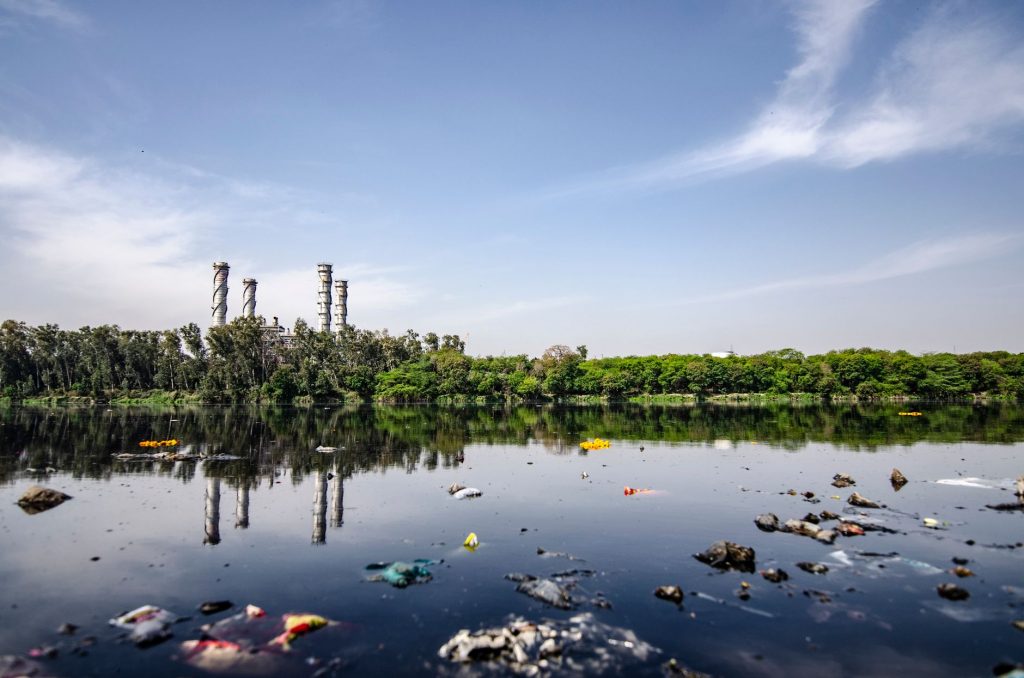
As Hyderabad struggles with the increasing issue of water scarcity, a recent report has shed light on the alarming pollution levels in the Manjeera River. The once pristine water body has turned into a dumping ground for toxic waste, courtesy of the city’s sugar mills. So, what’s behind this environmental disaster?
The Manjeera River, a vital lifeline for the people of Hyderabad, has been facing the brunt of pollution for years. The river, which originates from the Mahabubnagar district and flows through several cities before emptying into the Osman Sagar Lake, has been contaminated with industrial effluents and agricultural runoff. The sugar mills, in particular, have been accused of releasing large quantities of toxic waste into the river, causing irreparable harm to the ecosystem.
The Sugar Mills’ Role in River Pollution
The sugar industry is a significant contributor to the city’s economy, but it comes with a hefty price tag. The mills, which rely on the river for water and waste disposal, have been found guilty of releasing untreated effluents into the water body. This has led to a drastic decline in the river’s water quality, making it unfit for human consumption, irrigation, and even industrial use. The pollution levels have reached such alarming proportions that the Telangana State Pollution Control Board (TSPCB) has been forced to take action against the sugar mills.
The TSPCB, in a recent crackdown, has issued notices to several sugar mills along the Manjeera River, directing them to install effluent treatment plants to prevent further pollution. The move has been welcomed by environmental activists, who have been fighting a long battle to save the river from industrial pollution. However, the sugar mills have been slow to comply, citing financial constraints and technical difficulties as excuses. The TSPCB has warned the mills that failure to comply with the orders will result in severe penalties, including fines and even closure.
The Human Cost of River Pollution
The pollution of the Manjeera River has far-reaching consequences for the people of Hyderabad. The river, which was once a source of clean drinking water, has become a health hazard. The toxic waste released into the river has contaminated the groundwater, making it unfit for human consumption. The pollution has also affected the livelihoods of people who depend on the river for fishing and irrigation. The economic impact of the pollution is staggering, with estimates suggesting that the sugar mills’ neglect has cost the state exchequer millions of rupees in lost revenue.
But the human cost of river pollution goes beyond economic losses. The pollution has also taken a toll on the health of people living along the river. The toxic waste has led to the spread of waterborne diseases, including cholera, diarrhea, and typhoid. The pollution has also affected the mental health of people, who are forced to live in fear of the river’s toxic waters. The situation is critical, and immediate action is needed to prevent further harm to the environment and the people of Hyderabad.
A Call to Action
So, what can be done to save the Manjeera River from pollution? The answer lies in collective action. The government, sugar mills, and civil society must come together to address the issue of river pollution. The government must ensure that the sugar mills comply with environmental regulations and install effluent treatment plants. Civil society must continue to raise awareness about the issue and push for stricter enforcement of environmental laws. Only through concerted efforts can we save the Manjeera River and ensure a healthy environment for future generations.
The fate of the Manjeera River and the people of Hyderabad hangs in the balance. Will we act in time to prevent further harm to the environment, or will we continue to turn a blind eye to the pollution? The choice is ours, and the clock is ticking. It’s time to take action and save our beloved river before it’s too late.
In the words of Mahatma Gandhi, ‘The world has enough for everyone’s need, but not enough for everyone’s greed.’ Let us not forget the wisdom of these words and take urgent action to protect our environment and ensure a sustainable future.