
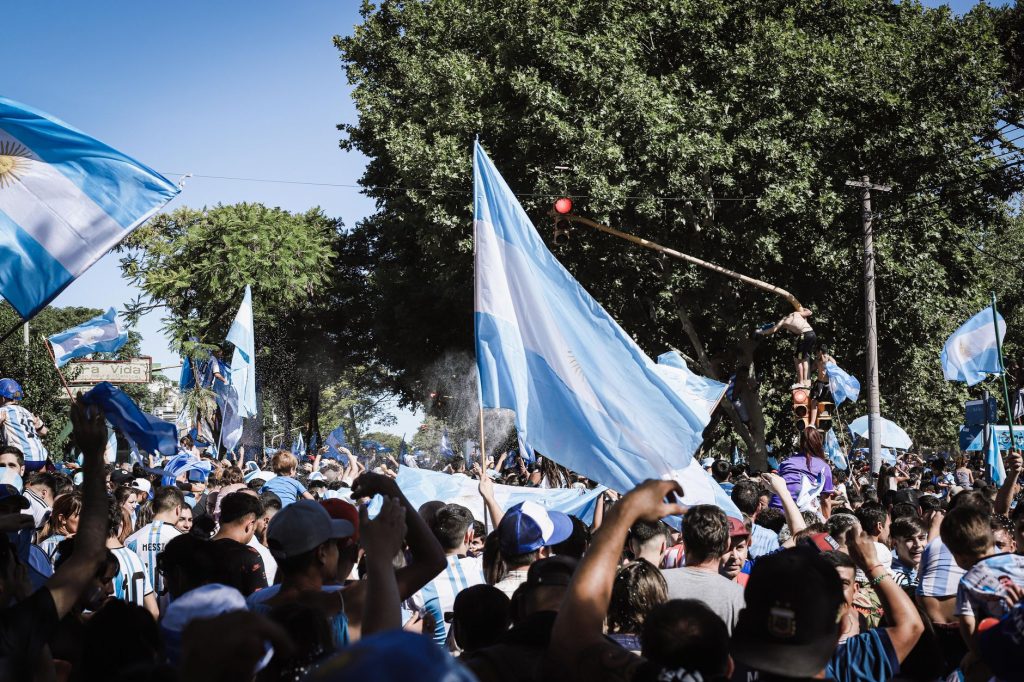
The 2022 FIFA World Cup has brought the world together, but for Indians, it’s been a tale of FOMO – Fear of Missing Out. As the tournament reached its climax, Indians spent a staggering amount on tickets, merchandise, and travel to the Middle East, causing a significant dent in the country’s foreign exchange reserves.
According to a report by the Ministry of Finance, the country’s foreign exchange reserves have dropped to a six-month low, with the RBI intervening to sell dollars to stabilize the rupee. The report attributed the decline to a surge in demand for dollars, driven by Indians traveling abroad for the World Cup.
Why Does it Matter?
The impact of FOMO during the World Cup is not just limited to the foreign exchange reserves. The country’s economy has been facing headwinds, with high inflation, a weakening rupee, and slow economic growth. The World Cup has added to these challenges, putting pressure on the government to intervene and stabilize the economy.
Additionally, the surge in demand for dollars has also led to a shortage of currency in India, causing inconvenience to travelers and businesses. The situation has been further exacerbated by the RBI’s decision to restrict the sale of dollars to certain categories of travelers, including those going for the World Cup.
The Economic Impact
The economic impact of the World Cup on India is a complex one. On the one hand, the tournament has brought in significant revenue for the Indian economy, including from tourism, merchandise sales, and broadcasting rights. On the other hand, the outflow of dollars has put pressure on the country’s foreign exchange reserves, making it challenging for the government to meet its external payments.
According to estimates, Indians have spent over $1 billion on World Cup-related travel and merchandise, causing a significant dent in the country’s foreign exchange reserves. The RBI has intervened to sell dollars to stabilize the rupee, but the situation remains challenging.
What’s Next?
The World Cup may be over, but its impact on India’s economy will be felt for a while. The government is likely to take steps to stabilize the economy, including monetary policy measures and fiscal reforms. The RBI will continue to intervene in the foreign exchange market to maintain stability in the rupee.
For Indians, the World Cup was a moment of joy and excitement, but it also served as a reminder of the economic challenges facing the country. As the nation looks ahead to the future, it’s essential to strike a balance between entertainment and economic prudence.