
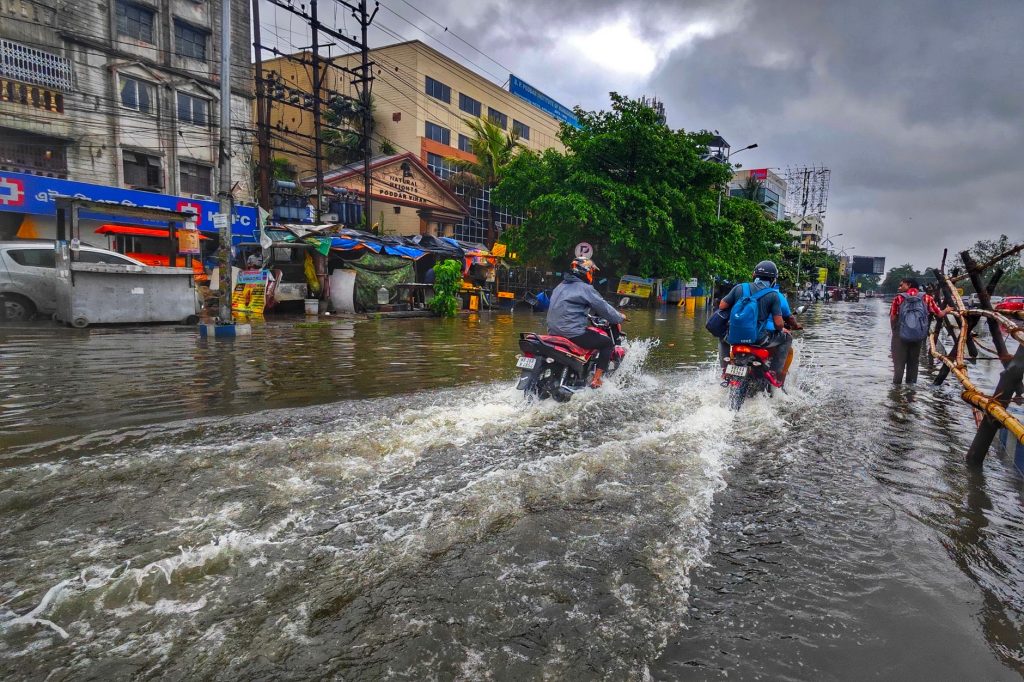
Imagine waking up to find the roads you normally take to work or school are flooded. The water might be knee-deep in some areas, leaving your daily commute uncertain. If you live in Bengaluru, this scenario might sound all too familiar. But the city’s infrastructure is not just limited to flooded roads; it also boasts of well-planned, wide lanes that make you wonder why the city can’t be like this everywhere.
Recently, a viral post on social media captured the essence of this contrast. The post showed a side-by-side comparison of a flooded road and a well-planned lane in the same city. The images were a stark reminder of the disparities in Bengaluru’s infrastructure and left many wondering how such a contrast could exist in a city that is considered one of India’s IT hubs.
Bengaluru’s Infrastructure Woes
Bengaluru’s infrastructure has been a subject of concern for a long time. The city’s rapid growth has put a strain on its infrastructure, leading to issues like flooding, traffic congestion, and poor road conditions. The city’s roads are often narrow and poorly maintained, making it difficult for residents to navigate through the city.
The flooding issue in Bengaluru is particularly severe during the monsoon season. Heavy rainfall can cause the city’s stormwater drains to overflow, leading to waterlogged roads and flooded low-lying areas. This not only causes inconvenience to residents but also poses a risk to their health and safety.
Why Can’t Bengaluru’s Roads be Like the Planned Lanes?
So, what sets apart the planned lanes from the flooded roads? The answer lies in the city’s planning and infrastructure development. The planned lanes are often built in areas that are designated for commercial or residential purposes, where the city has invested in better infrastructure. These areas have wider roads, better drainage systems, and more green spaces, making them more livable and sustainable.
On the other hand, the flooded roads are often located in areas that are considered ‘low-lying’ or ‘unplanned’. These areas are often characterized by narrow roads, poor drainage systems, and a lack of green spaces. The city’s rapid growth has led to the development of these areas, but the infrastructure has not kept pace with the growth, leading to issues like flooding and poor road conditions.
What’s Being Done to Address the Issue?
The BBMP (Bruhat Bengaluru Mahanagara Palike) has identified the need to improve the city’s infrastructure and has launched several initiatives to address the issue. The city has invested in building new roads, improving drainage systems, and increasing green spaces. However, the pace of development is slow, and residents are still facing the brunt of the city’s infrastructure woes.
Experts say that the city needs to adopt a more sustainable approach to development. This includes investing in green infrastructure, improving public transportation, and promoting mixed-use development. By doing so, the city can reduce its carbon footprint, improve air quality, and make its roads more livable.
As Bengaluru continues to grow, it’s essential that the city’s infrastructure development is prioritized. By doing so, the city can ensure that its residents have access to safe, sustainable, and livable spaces. The viral post may have highlighted the city’s contradictions, but it’s also sparked a much-needed conversation about the need for better infrastructure and sustainable development.
In the end, it’s up to the city’s residents, policymakers, and developers to work together to create a more livable and sustainable Bengaluru. By doing so, the city can become a model for other cities in India and a place where residents can thrive.