
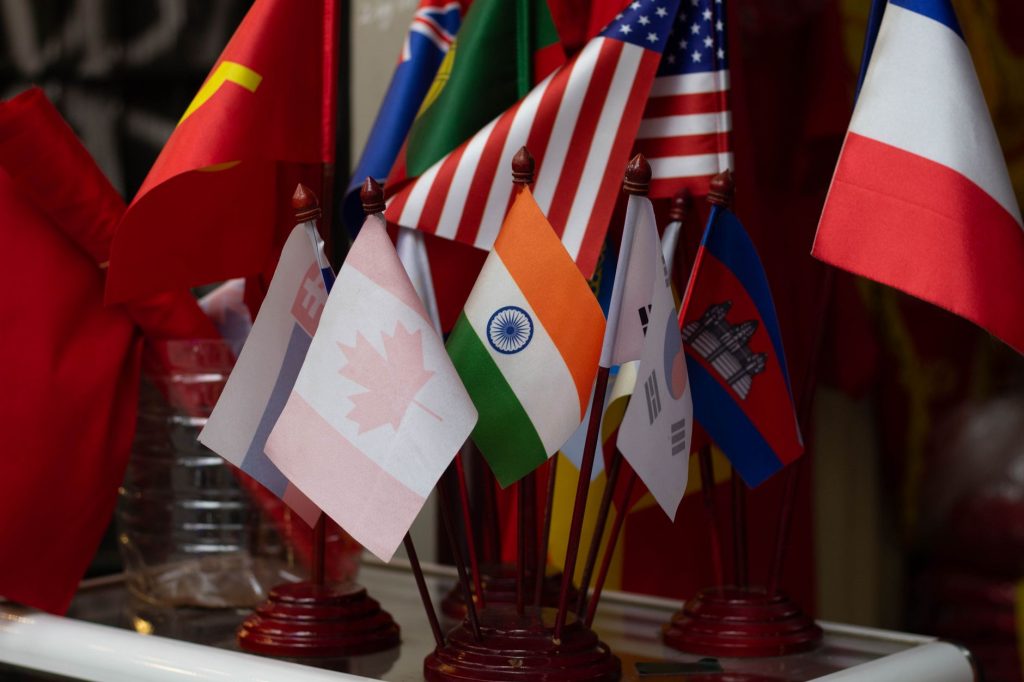
India and Canada have concluded their third round of talks on a proposed trade agreement, marking significant progress in bilateral economic ties. The negotiations, which began in 2010, aim to simplify trade between the two countries and boost economic growth.
The talks, held in Ottawa, focused on key areas such as market access, customs procedures, and sanitary and phytosanitary measures. Indian officials emphasized the need for Canada to liberalize its market for Indian products, particularly in the agricultural sector.
India’s Economic Interests
India’s economy is looking to diversify its trade partners beyond traditional markets in the Middle East and Southeast Asia. A trade pact with Canada would provide Indian businesses with access to a large and lucrative market, creating new opportunities for growth and employment.
India’s pharmaceutical industry, in particular, stands to benefit from a trade agreement with Canada. Indian pharmaceutical companies have been expanding their presence in the Canadian market, and a trade pact would help to reduce tariffs and other trade barriers.
Canada’s Strategic Interests
For Canada, a trade agreement with India is seen as a key component of its strategy to diversify its trade relationships and reduce its dependence on the US market. A trade pact with India would provide Canadian businesses with access to a large and growing market, creating new opportunities for trade and investment.
Canada is also looking to leverage its expertise in areas such as clean technology and renewable energy to tap into India’s growing demand for these sectors.
Next Steps
The next round of talks is expected to take place in India, where officials from both countries will continue to discuss outstanding issues and finalize the text of the trade agreement. While significant progress has been made, there are still several key issues to be resolved before a final agreement can be reached.
Indian officials have expressed confidence that a trade pact with Canada can be finalized within the next six to nine months, pending the resolution of outstanding issues. The agreement is expected to be a major milestone in bilateral economic ties and will provide a significant boost to trade and investment between the two countries.