
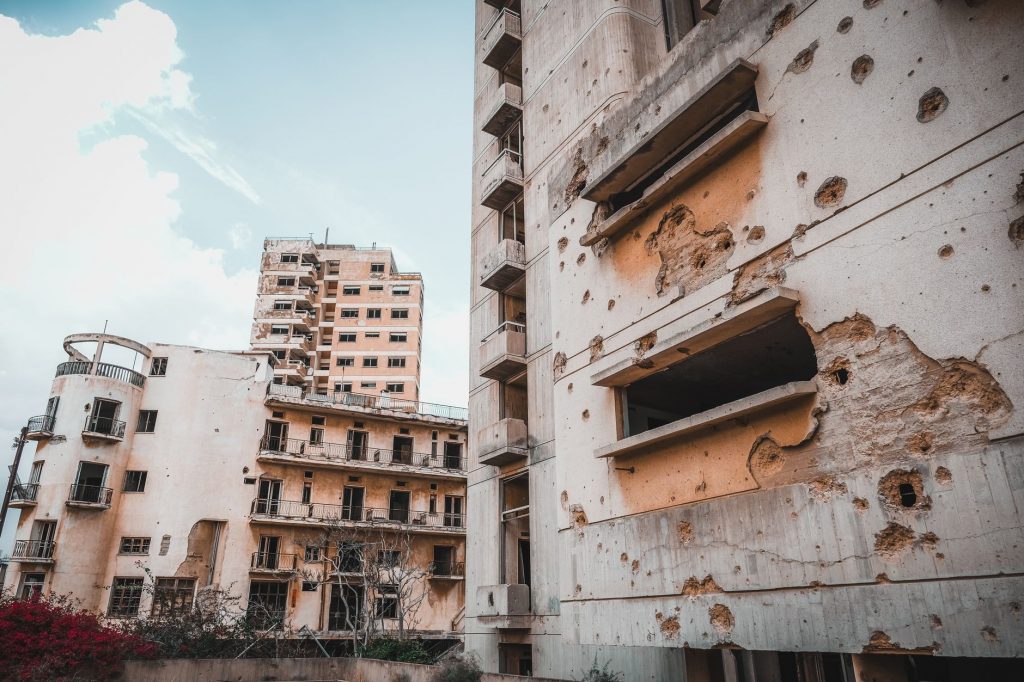
Ever wondered why some people refuse to leave their homes, even when things get really tough? In southern Lebanon, that’s exactly what’s happening. Despite a war that’s turned entire towns into ghost villages, many residents are choosing to stay put. Why? They’re terrified that if they leave, they might never be able to come back home.
The Empty Streets of Southern Lebanon
The ongoing conflict between Israel and Hezbollah has taken a heavy toll on the border regions of southern Lebanon. Imagine your hometown, once buzzing with life, now eerily silent. That’s the reality for many villages here. Buildings are damaged, and the constant threat of violence has forced most people to pack up and seek safety elsewhere. It’s a heart-wrenching scene, with schools, shops, and homes standing empty, bearing witness to the destruction.
Fear of Permanent Displacement
For those who remain, the fear isn’t just about the immediate danger. It’s the dread of becoming refugees in their own land. Leaving means abandoning their ancestral homes, their farms, and the very fabric of their community. They worry that if they’re displaced for too long, their properties could be taken over, or their villages might simply cease to exist. This deep-rooted connection to their land is what keeps them holding on, even in the face of immense adversity.
A Glimmer of Hope Amidst the Chaos
Despite the grim situation, there are still pockets of resilience. Some families are managing to survive, relying on each other and whatever resources they have left. They might be living in damaged homes, making do with limited supplies, but their spirit remains unbroken. These courageous individuals are a testament to the human will to persevere and protect what is rightfully theirs. Their presence, however small, is a beacon of hope that life can, and will, return to these war-torn areas.
This situation highlights the human cost of conflict, going beyond the immediate casualties. It speaks to the deep emotional and cultural ties people have to their homeland. For the world, it’s a stark reminder of the long-term consequences of war and the importance of peace for communities to thrive. The future of these villages hangs in the balance, dependent on the resolution of the conflict and the international community’s support for rebuilding shattered lives and lands.