
India’s economic future is looking bleaker by the day, with inflation soaring to a record high of 7.8% in June, leaving millions of Indians worried about their shrinking purchasing power. This is the highest inflation rate in nearly 14 years, causing widespread concern among economists and policymakers.
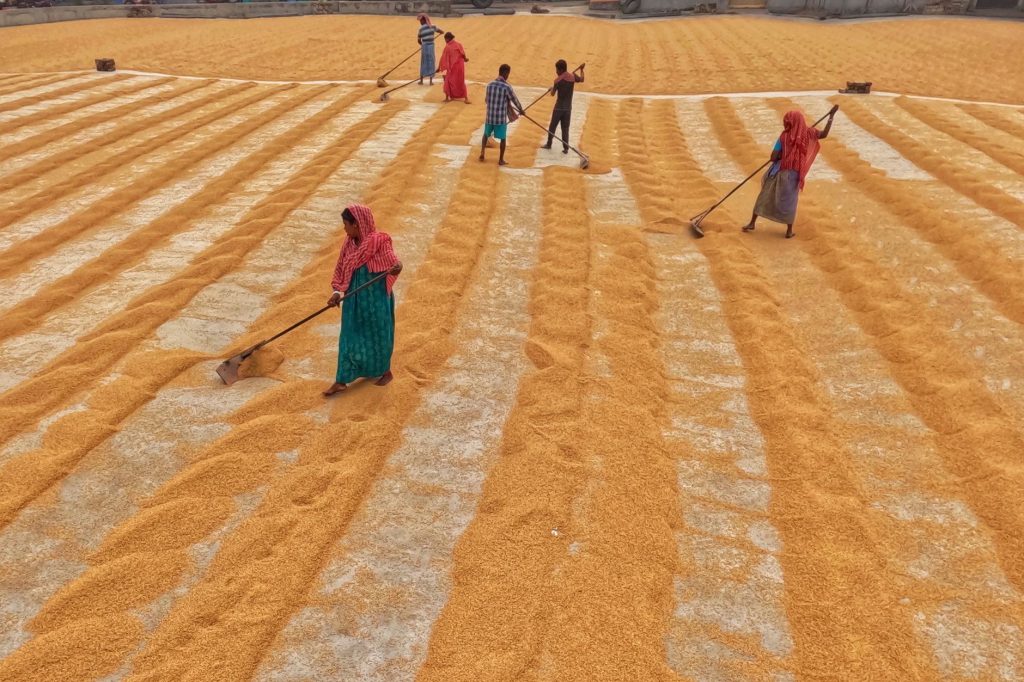
At the heart of the problem is the sharp rise in food prices, particularly for staples like wheat, rice, and pulses. A severe drought in major crop-producing states has led to a shortage of supplies, causing food inflation to skyrocket. The prices of essential commodities like onions, potatoes, and tomatoes have also seen a significant increase.
Food Inflation: The Main Culprit
Food inflation is a major contributor to the overall inflation rate, and the current drought situation has exacerbated the problem. According to data from the Ministry of Consumer Affairs, Food and Public Distribution, the prices of essential food items have risen by up to 20% in the past year. This has made life even more difficult for low-income households, who spend a significant portion of their income on food.
The government’s efforts to control inflation have so far been ineffective. Despite a slew of measures, including cutting taxes and increasing subsidies, prices continue to rise. The Reserve Bank of India (RBI) has also raised interest rates to combat inflation, but this has had an impact on economic growth, with the GDP growth rate slowing down.
Impact on the Common Man
The impact of inflation on the common man cannot be overstated. For millions of Indians, the rising cost of living has become a major concern. With prices of essential commodities skyrocketing, people are finding it increasingly difficult to make ends meet. The middle class, which has been the backbone of India’s economic growth, is feeling the pinch the most. With reduced purchasing power, they are forced to cut back on non-essential expenses, further slowing down economic growth.
The situation is not just limited to urban areas. Rural India is also facing the brunt of inflation, with farmers struggling to make a living due to low crop prices. The government’s efforts to provide subsidies and support to farmers have been inadequate, leading to widespread discontent.
What’s Next for India?
As India grapples with the inflation crisis, the government needs to take bold steps to address the issue. This includes implementing effective measures to control food prices, providing support to farmers, and increasing the purchasing power of the common man. The government also needs to focus on long-term solutions, such as investing in agricultural infrastructure and promoting sustainable agriculture practices.
India’s economic future is at stake, and the government needs to act quickly to prevent a full-blown crisis. The country cannot afford to lose its economic momentum, and it’s time for policymakers to take drastic measures to address the inflation problem.