
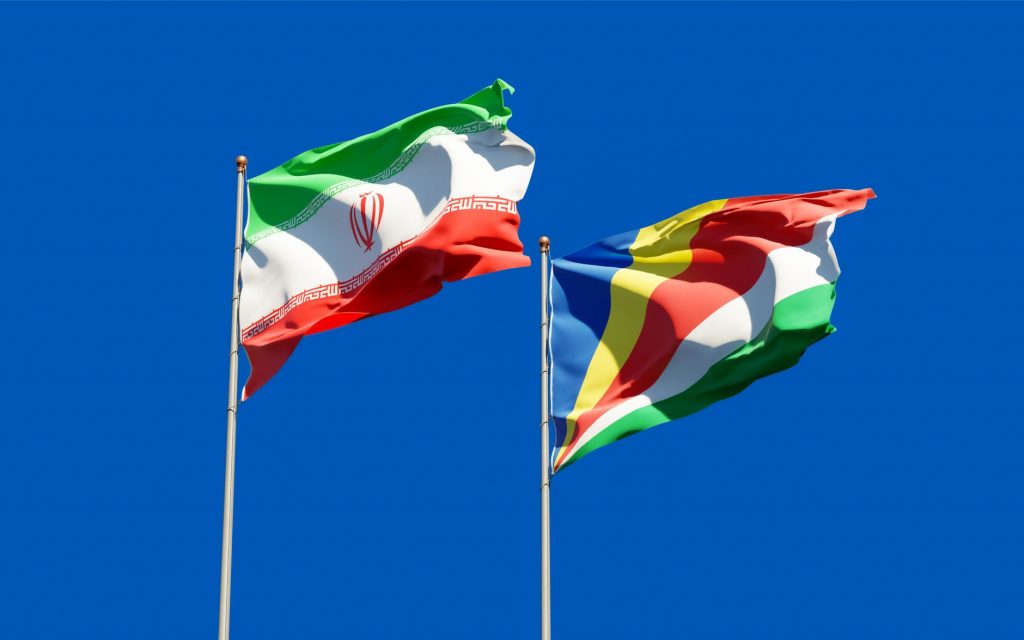
Is India’s diplomatic relationship with Iran at risk after the tragic death of an Indian sailor in the Strait of Hormuz?
India’s answer is a resounding ‘no’, but the incident has sent shockwaves in both countries.
An Indian sailor was killed when a foreign ship, reportedly from Iran, collided with his vessel in the Strait of Hormuz. The incident has sparked a diplomatic row between India and Iran, with India summoning Iran’s senior-most diplomat to Delhi.
Diplomatic Tensions Escalate
The incident occurred on [date] when the Indian sailor was on board a ship that was traveling through the Strait of Hormuz. The ship collided with another vessel, which was reportedly from Iran. The sailor was killed in the accident, and several others were injured. The incident has sent shockwaves in India, with officials condemning the tragedy and demanding accountability from Iran.
The Indian government has summoned Iran’s Ambassador to India, Seyed Hossein Mousavian, to Delhi to express its displeasure over the incident. The Indian Ministry of External Affairs (MEA) has stated that it has taken up the matter with Iran and expects a thorough investigation into the incident. The MEA has also demanded that Iran takes immediate action to prevent such incidents in the future.
The Strait of Hormuz is a critical waterway that connects the Persian Gulf to the Gulf of Oman. It is a key shipping route for oil tankers, and any disruption to the flow of oil can have far-reaching consequences for the global economy.
India-Iran Relations Under Scrutiny
The incident has put India-Iran relations under the spotlight, with many questioning whether it is time for India to reassess its ties with Iran. India has been one of the largest buyers of Iranian oil, and the two countries have a long-standing friendship based on shared cultural and historical ties.
However, India has also been critical of Iran’s human rights record and its nuclear program. The country has also been a vocal supporter of the United States’ efforts to contain Iran’s nuclear ambitions. With the incident in the Strait of Hormuz, India is faced with a difficult decision: whether to maintain its diplomatic relationships with Iran or to take a stronger stance against the country.
The Indian government has maintained that it will continue to work with Iran to resolve the issue amicably. However, the incident has sent a clear message that India will not tolerate any actions that put its citizens at risk. The MEA has stated that India will take all necessary steps to ensure the safety and security of its citizens, including taking diplomatic action against Iran if necessary.
The incident in the Strait of Hormuz has sent shockwaves in India, with many calling for greater accountability from Iran. As the situation unfolds, one thing is clear: the incident has put India-Iran relations under scrutiny, and the consequences of this incident will be far-reaching.
What’s Next?
The Indian government has promised to take all necessary steps to ensure that justice is served in the case of the Indian sailor who was killed in the Strait of Hormuz. The MEA has stated that it will work with Iran to resolve the issue amicably, but it has also made it clear that India will not tolerate any actions that put its citizens at risk.
As the situation unfolds, India will be monitoring the developments closely. The country will be watching to see how Iran responds to the incident and whether it takes any concrete steps to prevent such incidents in the future. One thing is clear: the incident in the Strait of Hormuz has sent a clear message that India will not tolerate any actions that put its citizens at risk.