
As the monsoon rains approach, a pressing question on every Indian’s mind is: why do cities like Mumbai, Delhi, and Bengaluru turn into virtual flood traps every year?
The answer lies in the relentless march of urbanisation and the concretisation of our cities. In a bid to keep up with the growing population and booming economy, urban planners have prioritised infrastructure development over sustainable urban planning. The result is a concrete jungle that’s ill-equipped to handle the fury of the monsoon rains.
The Concretisation Epidemic
India’s love affair with concrete began in the 1950s and 60s, when the country was rapidly urbanising. As cities expanded, so did the use of concrete in building construction, road development, and civic infrastructure. However, this trend has only accelerated in recent years, with the government’s push for rapid infrastructure development and urbanisation.
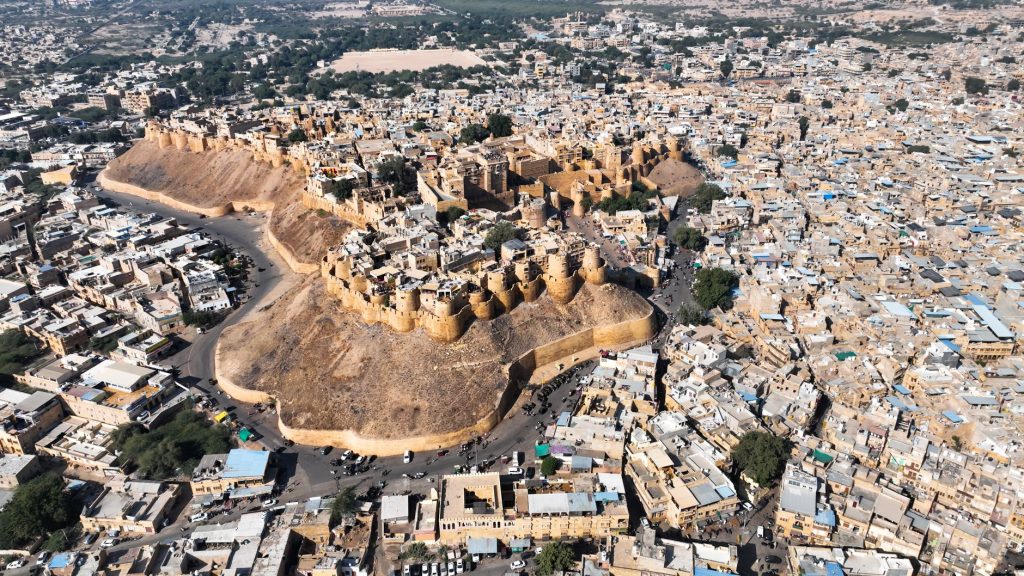
But the consequences of this concretisation drive are stark. Gone are the green spaces, tree-lined boulevards, and meandering water bodies that once defined our cities. In their place are concrete monoliths that offer little to no respite from the torrential rains. The lack of green cover and impermeable surfaces means that rainwater has nowhere to go, leading to flash flooding and waterlogging.
The impact is not just aesthetic; it’s also economic and human. Every year, millions of Indians are affected by floods, with many losing their homes, livelihoods, and even lives. The economic costs are staggering, with the Centre for Science and Environment estimating that floods in India cost the economy over Rs 2 lakh crore annually.
The Consequences of Concretisation
So, what are the consequences of this concretisation drive? For one, it’s led to a severe decline in water quality. With rainwater unable to percolate into the ground, it instead flows into storm drains and water bodies, carrying with it pollutants and debris. This has led to a rise in water-borne diseases and a decline in the health of our waterways.
Moreover, the lack of green spaces has led to a decline in air quality. With no trees to absorb carbon dioxide and produce oxygen, cities are becoming increasingly polluted. The World Health Organisation estimates that air pollution in India claims over 1.2 million lives annually.
Finally, the concretisation of our cities has also led to a loss of biodiversity. With natural habitats destroyed and ecosystems disrupted, native species are struggling to survive. The loss of these species not only affects the ecosystem but also has economic implications, with many industries reliant on biodiversity for their livelihoods.
So, what’s the way forward? For one, we need to rethink our approach to urban planning. Rather than prioritising infrastructure development, we need to focus on sustainable urban planning that incorporates green spaces, water harvesting, and waste management.
We also need to hold our governments accountable for the consequences of their actions. With the Centre and state governments pushing for rapid urbanisation, it’s time for them to take a step back and reassess their priorities.
Ultimately, the fate of India’s cities hangs in the balance. Will we continue down the path of concretisation, or will we choose a more sustainable path? The choice is ours.
The solution lies in a combination of short-term and long-term measures. In the short term, we need to ensure that our cities are equipped to handle the monsoon rains. This means investing in flood-control measures, upgrading our drainage systems, and ensuring that water bodies are free from pollution.
In the long term, we need to rethink our approach to urban planning. This means incorporating green spaces, water harvesting, and waste management into our city plans. It also means prioritising sustainable development over rapid urbanisation.
By taking these steps, we can create cities that are not just livable but also resilient. Cities that can withstand the fury of the monsoon rains and provide a better quality of life for all Indians.