
Imagine waking up to a thick blanket of smog covering the city, making it difficult to breathe. This is a scenario many Indians are familiar with, especially in cities like Delhi and Mumbai. But, did you know that there’s another city in the world that’s struggling with even worse air quality?
It’s the city of Detroit in the United States, which ranks among the worst in the world for air quality. On Thursday, the city’s air quality index (AQI) shot up to hazardous levels, making it one of the most polluted cities globally. The AQI is a measure of the air quality in a given area, and it’s usually measured on a scale of 0 to 500. Anything above 300 is considered hazardous.
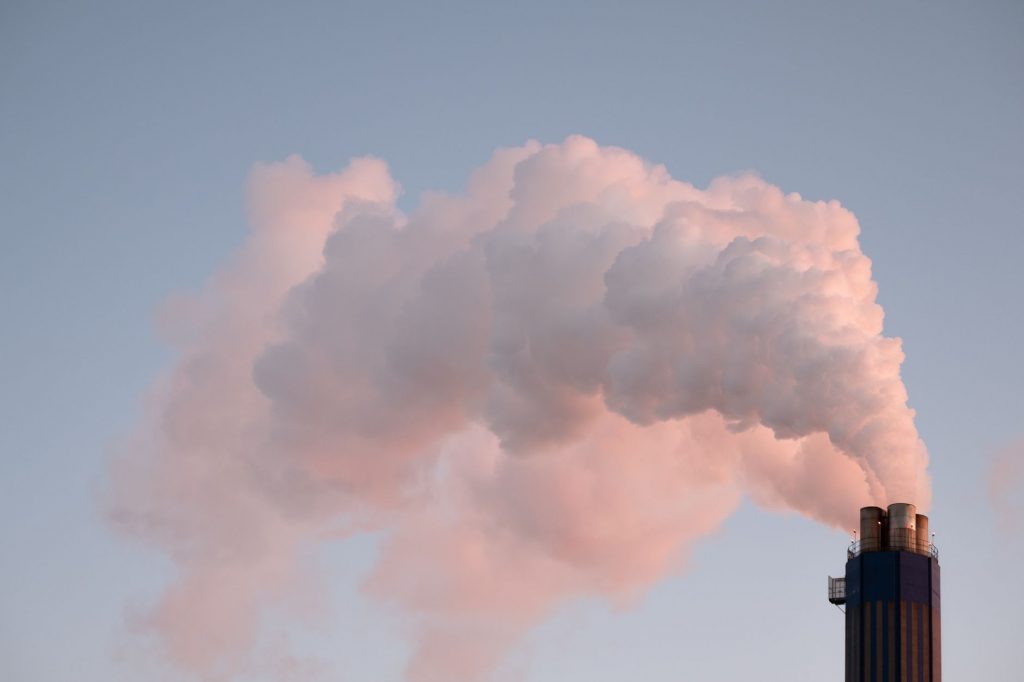
So, what’s causing Detroit’s air quality to plummet? Experts say it’s a combination of factors, including high levels of particulate matter (PM) in the air. PM is a type of pollutant that comes from burning fossil fuels, industrial activities, and vehicle emissions. In Detroit, the city’s aging infrastructure and lack of investment in cleaner energy sources have contributed to the poor air quality.
Health Risks Associated with Poor Air Quality
The consequences of poor air quality are severe and far-reaching. Exposure to high levels of PM can cause respiratory problems, heart disease, and even cancer. In Detroit, residents are already feeling the effects, with many reporting difficulty breathing, especially during peak pollution hours. Children, the elderly, and people with pre-existing medical conditions are the most vulnerable to air pollution.
Dr. Maria Rodriguez, an environmental health expert, warns that the situation in Detroit is alarming. ‘The city’s air quality is a ticking time bomb. If left unchecked, it will lead to a public health crisis of epic proportions.’ Dr. Rodriguez emphasizes that immediate action is needed to address the root causes of air pollution in Detroit.
What’s Being Done to Improve Air Quality?
Despite the challenges, there are efforts underway to improve air quality in Detroit. The city has launched initiatives to promote cleaner energy sources, such as solar and wind power. Additionally, the city is working to reduce emissions from vehicles by investing in electric public transportation. However, more needs to be done to address the systemic issues driving air pollution.
Environmental activists are also joining forces to raise awareness about the importance of clean air. They’re pushing for stricter regulations on polluters and advocating for policy changes that prioritize public health over economic interests. As Detroit struggles to breathe, it’s a wake-up call for cities around the world to prioritize air quality and public health.
Expert Context
Dr. Rohan Desai, an air quality expert, notes that Detroit’s situation is a microcosm of the global air quality crisis. ‘Air pollution is a silent killer that affects millions of people worldwide. We need to recognize that clean air is a fundamental human right and take collective action to protect it.’
In conclusion, Detroit’s air quality woes are a stark reminder of the importance of clean air and public health. As Indians, we can learn from Detroit’s struggles and take steps to address air pollution in our own cities. By working together, we can create cleaner, healthier environments for ourselves and future generations.