
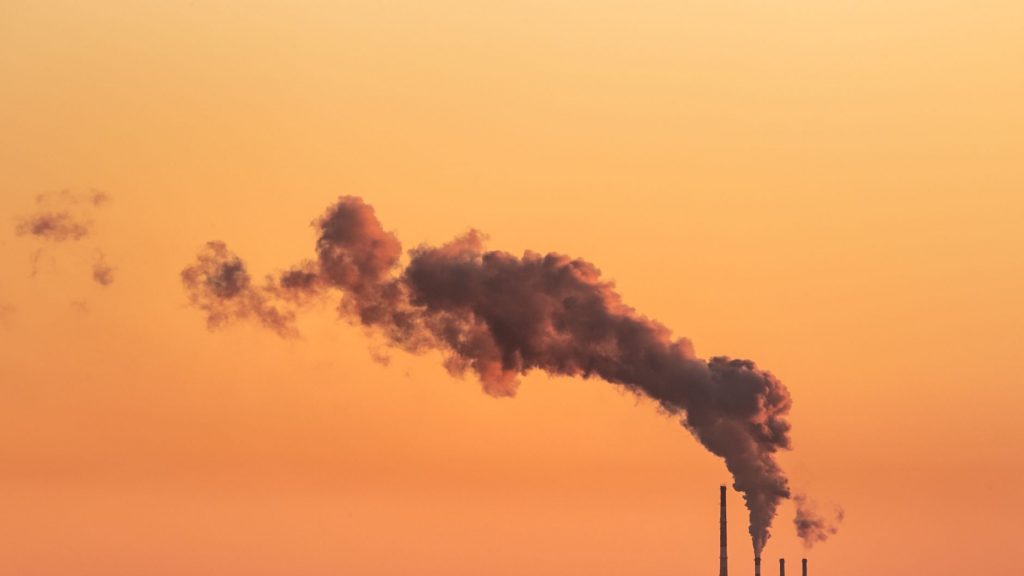
Ever wondered if the air you breathe is affecting folks far away, even in places like Minneapolis? Well, a recent report has dropped a bombshell: Minneapolis is currently dealing with some of the worst air pollution on the planet. Yes, you read that right! It’s not just a local issue; it’s a global concern, and it’s making headlines for all the wrong reasons.
Smoke from Canadian Wildfires is the Culprit
So, what’s causing this sudden, alarming dip in air quality? It turns out the thick, hazy skies over Minneapolis are primarily due to the massive wildfires raging across Canada. These fires have been releasing enormous amounts of smoke, and the wind patterns have been carrying this smoky haze southwards, blanketing the US Midwest. Imagine a giant, invisible blanket of smoke settling over the city, and you get the picture. This isn’t just a bit of smog; it’s a significant influx of fine particulate matter that’s incredibly harmful to our health.
Health Concerns and What You Can Do
Breathing in this kind of polluted air can have serious consequences. Experts are warning residents to take precautions, especially those with respiratory issues like asthma or heart conditions. The fine particles can irritate the lungs, trigger asthma attacks, and even lead to more severe health problems if exposure is prolonged. The advice is simple yet crucial: stay indoors as much as possible, keep windows and doors shut, and use air purifiers if you have them. If you absolutely must go outside, consider wearing a mask, especially an N95, to filter out the worst of the pollutants.
A Global Reminder of Environmental Issues
This situation in Minneapolis serves as a stark reminder that environmental problems don’t respect borders. Wildfires, often exacerbated by climate change, are becoming more frequent and intense, impacting air quality thousands of miles away. It highlights the interconnectedness of our planet and the urgent need for global action to combat climate change and manage natural resources sustainably. What happens in one part of the world can directly affect communities in another, underscoring the importance of international cooperation on environmental issues.