
Thousands March on Indian Parliament in Peaceful Protest
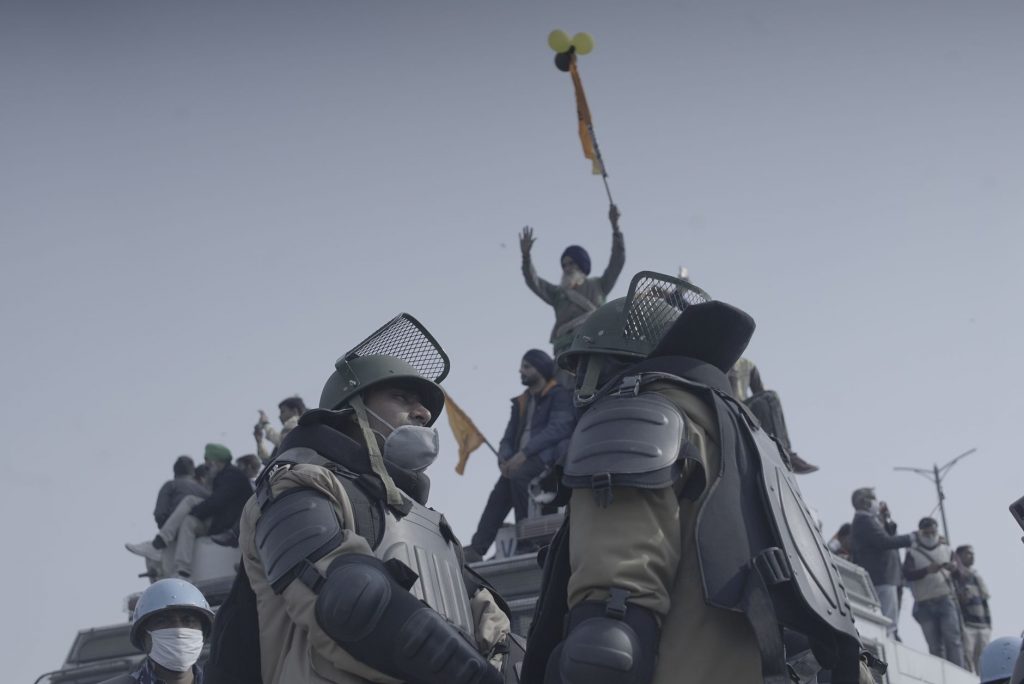
Yesterday, thousands of Indians gathered in the nation’s capital to raise their voices on several critical issues, including environmental degradation and social welfare. The protesters, belonging to various groups and organizations, marched towards the Indian Parliament in a peaceful demonstration that drew widespread attention. Despite the police’s initial permission for the rally, the situation took a turn for the worse as the protesters reached the parliament premises.
Clashes broke out between the police and the protesters as the latter attempted to enter the parliament building. The police, citing security concerns, deployed tear gas and water cannons to disperse the crowd. Eyewitnesses report that the situation escalated rapidly, resulting in injuries to several protesters and police personnel. The cause of the violence, however, remains unclear as both sides dispute the events leading up to the confrontation.
At the center of the controversy are the Cockroach activists, a group that has been at the forefront of various social and environmental movements across India. Their demands for a more equitable society and a cleaner environment have resonated with many Indians, who see the group as a beacon of hope for change. The group’s leader, Rohan Kumar, has condemned the police action, labeling it as ‘high-handed’ and ‘authoritarian.’ Kumar’s statement has sparked a heated debate on social media, with many Indians expressing their outrage and solidarity with the Cockroach activists.
Why does this matter?
The clash between the police and the Cockroach activists raises several important questions about the state of democracy in India. As the nation prepares for the upcoming general elections, the incident serves as a stark reminder of the deep-seated tensions between the government and civil society. The police’s heavy-handed response to a peaceful protest has left many Indians feeling disillusioned and frustrated with the system.
The incident also highlights the growing divide between the government and the people. The Cockroach activists’ demands for a more just and equitable society have struck a chord with many Indians, who feel that their voices are not being heard. The government’s response to the protesters, on the other hand, has been seen as dismissive and authoritarian. As the nation grapples with these complex issues, it remains to be seen how the government will address the concerns of its citizens.
As the situation unfolds, one thing is clear: the Indian people will not be silenced. The Cockroach activists, along with other social and environmental groups, will continue to push for change, even in the face of adversity. The government, on the other hand, must listen to the voices of its citizens and work towards creating a more just and equitable society for all.
What happens next?
The aftermath of the police-Cockroach activist clash is still unfolding, with both sides trading barbs and accusations. The government has promised an investigation into the incident, but many Indians remain skeptical, fearing that the truth will be distorted or suppressed. As the nation waits with bated breath, one thing is certain: the people will not be silenced, and their voices will continue to be heard.
The Indian Parliament, meanwhile, has been adjourned indefinitely, with the Speaker citing security concerns as the reason. The move has been seen as a blow to democracy, with many Indians expressing their disappointment and frustration on social media. The Cockroach activists, on the other hand, have vowed to continue their struggle for a more just and equitable society, despite the challenges and obstacles ahead.