
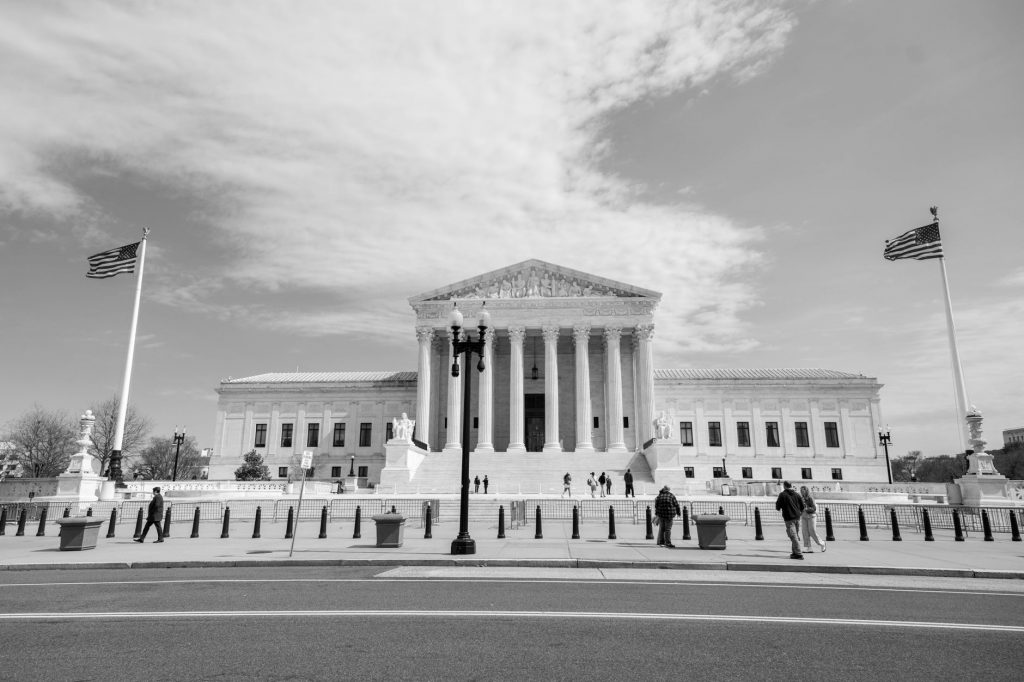
The Supreme Court of India has ruled that it will not intervene in the Delhi High Court’s decision regarding the cancellation of Central Public Works (CPV) tenders in four Indian missions. This ruling marks a significant setback for the Centre, which had sought to overturn the Delhi High Court’s order.
Background of the Controversy
The controversy began when the Delhi High Court cancelled the CPV tenders for four Indian missions, citing irregularities in the bidding process. The Centre had argued that the High Court’s decision was premature and would cause unnecessary delays in the completion of these projects. However, the High Court stood by its decision, stating that the Centre had failed to follow due process in the tendering process.
The Centre had then approached the Supreme Court, seeking a stay on the High Court’s order. However, the Supreme Court has now ruled that it will not interfere in the matter, effectively upholding the High Court’s decision. This ruling means that the Centre will have to revisit the tendering process and follow due process from the beginning.
The CPV tenders in question are for the renovation and modernization of Indian missions in various countries. The Centre had awarded these tenders to different contractors, but the Delhi High Court had cancelled them due to irregularities. The Centre had argued that the High Court’s decision would cause significant delays in the completion of these projects, but the Supreme Court has now ruled that the High Court’s decision was justified.
The ruling of the Supreme Court is significant not only because it upholds the High Court’s decision but also because it sets a precedent for future cases. It sends a clear message to the Centre that it must follow due process in the tendering process and that the courts will not hesitate to intervene if there are irregularities.
The Supreme Court’s ruling is likely to have far-reaching consequences for the Centre’s plans to renovate and modernize Indian missions abroad. The Centre will have to revisit the tendering process and ensure that it follows due process from the beginning. This may lead to delays in the completion of these projects, but the Centre can ill afford to ignore the rule of law.
Implications of the Ruling
The ruling of the Supreme Court has significant implications for the Centre’s plans to renovate and modernize Indian missions abroad. It sends a clear message that the Centre must follow due process in the tendering process and that the courts will not hesitate to intervene if there are irregularities.
The Centre’s plans to renovate and modernize Indian missions abroad are crucial for promoting India’s diplomatic and economic interests abroad. However, the Centre’s failure to follow due process in the tendering process has undermined the credibility of these plans. The Supreme Court’s ruling is a significant setback for the Centre, but it also provides an opportunity for the Centre to revisit its plans and ensure that they are implemented in accordance with the law.
The Supreme Court’s ruling is also significant for the future of public procurement in India. It sets a precedent for future cases and sends a clear message that the courts will not hesitate to intervene if there are irregularities in the tendering process. This is a welcome development for those who believe in the rule of law and the need for transparency and accountability in public procurement.
What’s Next?
The Supreme Court’s ruling marks a significant setback for the Centre, but it also provides an opportunity for the Centre to revisit its plans and ensure that they are implemented in accordance with the law. The Centre will have to revisit the tendering process and ensure that it follows due process from the beginning.
The Centre’s plans to renovate and modernize Indian missions abroad are crucial for promoting India’s diplomatic and economic interests abroad. However, the Centre’s failure to follow due process in the tendering process has undermined the credibility of these plans. The Supreme Court’s ruling is a significant setback, but it also provides an opportunity for the Centre to learn from its mistakes and ensure that its plans are implemented in accordance with the law.